
Avoid Costly Missteps in Long-Term Car Hire
Long-term car hire in Nairobi can either support your business smoothly or quietly drain time, money, and energy. When vehicles are unreliable or the service behind them is weak, small issues quickly grow into late arrivals, missed deliveries, and unhappy clients.
Many businesses in Nairobi, from corporates and NGOs to expat teams and consultants, now rely on long-term hire instead of owning a fleet. This is especially common early in the year when new budgets, projects, and field assignments start. With that rush, it is easy to rush decisions too, and that is where problems start.
The local market is busy and fragmented, with very different service levels from one provider to another. Procurement teams also feel pressure to cut costs, which can push them to look only at the lowest number on a quote. We have seen how this plays out on the road, and it is rarely pretty.
In this article, we share common long-term car hire mistakes we see Nairobi firms make, and how to avoid them. By learning from these missteps, you can protect your people, your brand, and your budget, not just for Nairobi, but also for operations in places like Mombasa and Nanyuki.
Choosing on Price Alone and Ignoring Total Value
One of the biggest mistakes is treating long-term car hire like buying the cheapest item on a shelf. A low daily or monthly rate looks attractive at first, but it often hides higher costs that only show up later.
Some of the real cost drivers sit behind the headline rate, such as:
- Age and condition of the vehicles
- Fuel use on long routes
- Charges for extra drivers or adjusted mileage
- Support when a car is off the road
Old or poorly maintained vehicles can burn more fuel, especially on frequent Nairobi-to-Mombasa or Nairobi-to-Nanyuki trips. They are also more likely to break down, which means extra time in the garage and extra stress for your team.
Other hidden cost factors include:
- Mileage caps that trigger penalties once your team hits the road properly
- Fees for roadside help that you thought was already included
- Weak or unclear replacement terms when a vehicle is out of service
For corporates and project teams, this kind of surprise spend can upset budgets and eat into profits. Late arrivals to client meetings or delayed deliveries hurt both reputation and trust. Staff also lose confidence when they know the car might not make it through the week without an issue.
A better approach is to look at total value, not just price. Long-term car hire should be judged by:
- Reliability over the full contract period
- What is included around servicing and replacement vehicles
- How flexible the package is as your routes and workload change
When you focus on lifecycle cost, service, and reliability, you get far more control over both spend and performance.
Neglecting Contract Details and Service Level Clarity
Another common mistake is treating the hire agreement as a form to sign and file away. Many teams skim the fine print and assume every provider offers similar support. Sadly, that is rarely the case.
Some of the most important sections are often overlooked:
- Maintenance and servicing: who handles what, and expected timelines
- Insurance cover, including exclusions and any excess payable
- Replacement policy when a vehicle is in the garage or involved in an incident
If you do not know who is responsible for what, you may be stuck when things go wrong. A car needing extended repairs can sit in a workshop far longer than you expect if there is no clear agreement. Meanwhile, your team in Nairobi, Mombasa, or Nanyuki still needs to move.
Vague contracts can lead to:
- Arguments over who pays for what after an accident or theft
- Delays in getting a replacement vehicle approved and delivered
- Confusion within your own team about processes and expectations
A better way is to treat the long-term hire contract as a service level document. Before you sign, check that it clearly spells out:
- Response times for breakdowns and accidents
- How and when replacement vehicles will be supplied
- Escalation paths if you are not getting the support you expect
That clarity protects both sides and keeps your operations running even when there are bumps in the road.
Overlooking Fit-for-Purpose Vehicles for Kenyan Roads
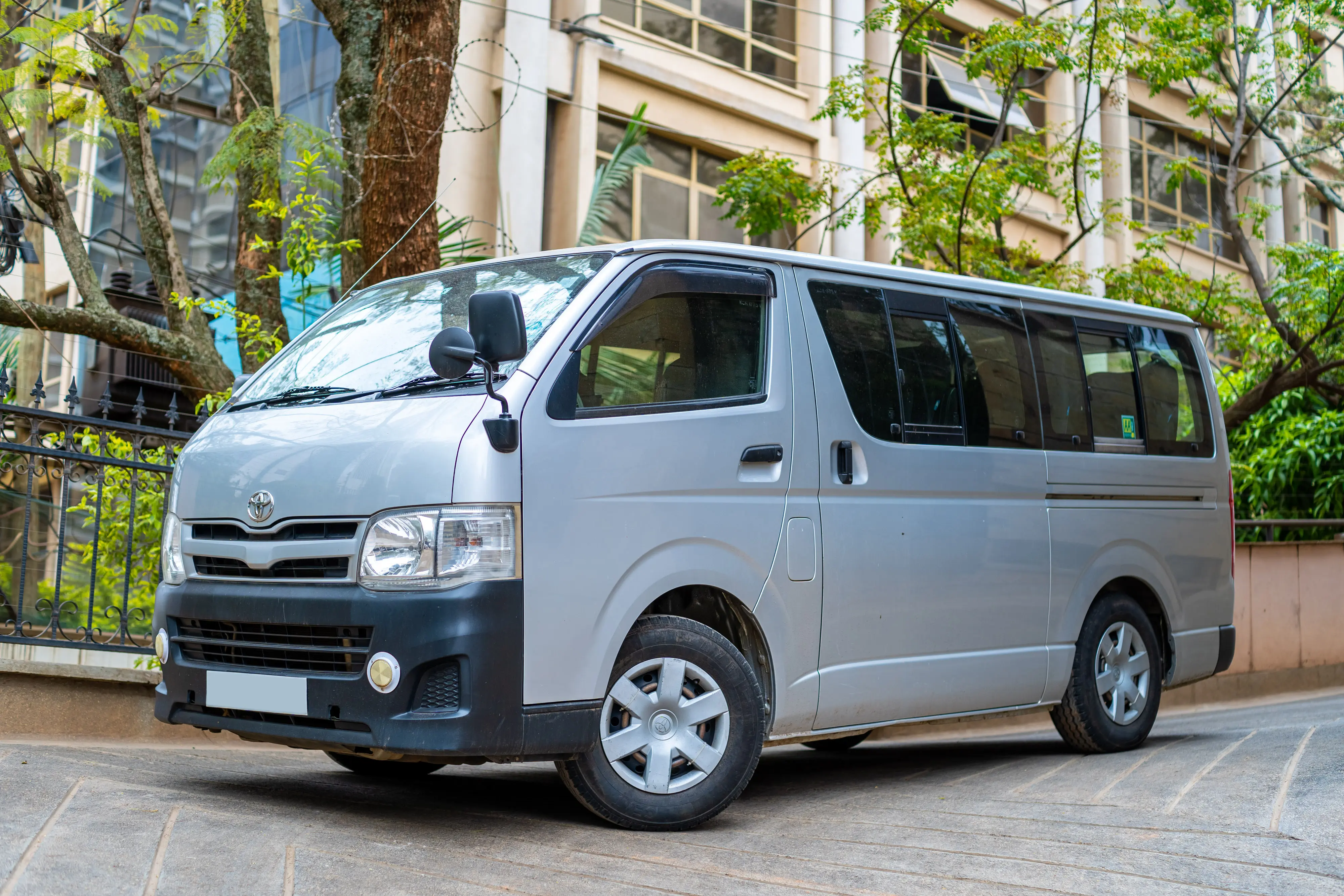
Many firms pick vehicles based on what looks nice on a quote or on the parking lot, not on where and how those cars will actually work. The wrong vehicle for the job becomes a headache very quickly.
Things that are often missed include:
- Real road conditions, from stop-start traffic in Nairobi to rougher roads out towards Nanyuki or beyond Mombasa
- Load and passenger needs, such as tools, cargo, or multiple staff heading to sites
- Typical trip length and frequency, including regular intercity travel
If you put a small saloon on rough access roads or overload a vehicle meant for light use, the result is:
- Extra wear and tear and more frequent repairs
- Greater risk for drivers and passengers
- Tired, frustrated staff who do not feel safe or comfortable
To make better decisions, first map your actual use:
- Main routes, including any off-tarmac sections
- Usual number of passengers and amount of equipment
- Seasonal changes, such as heavier rains that affect certain roads around March
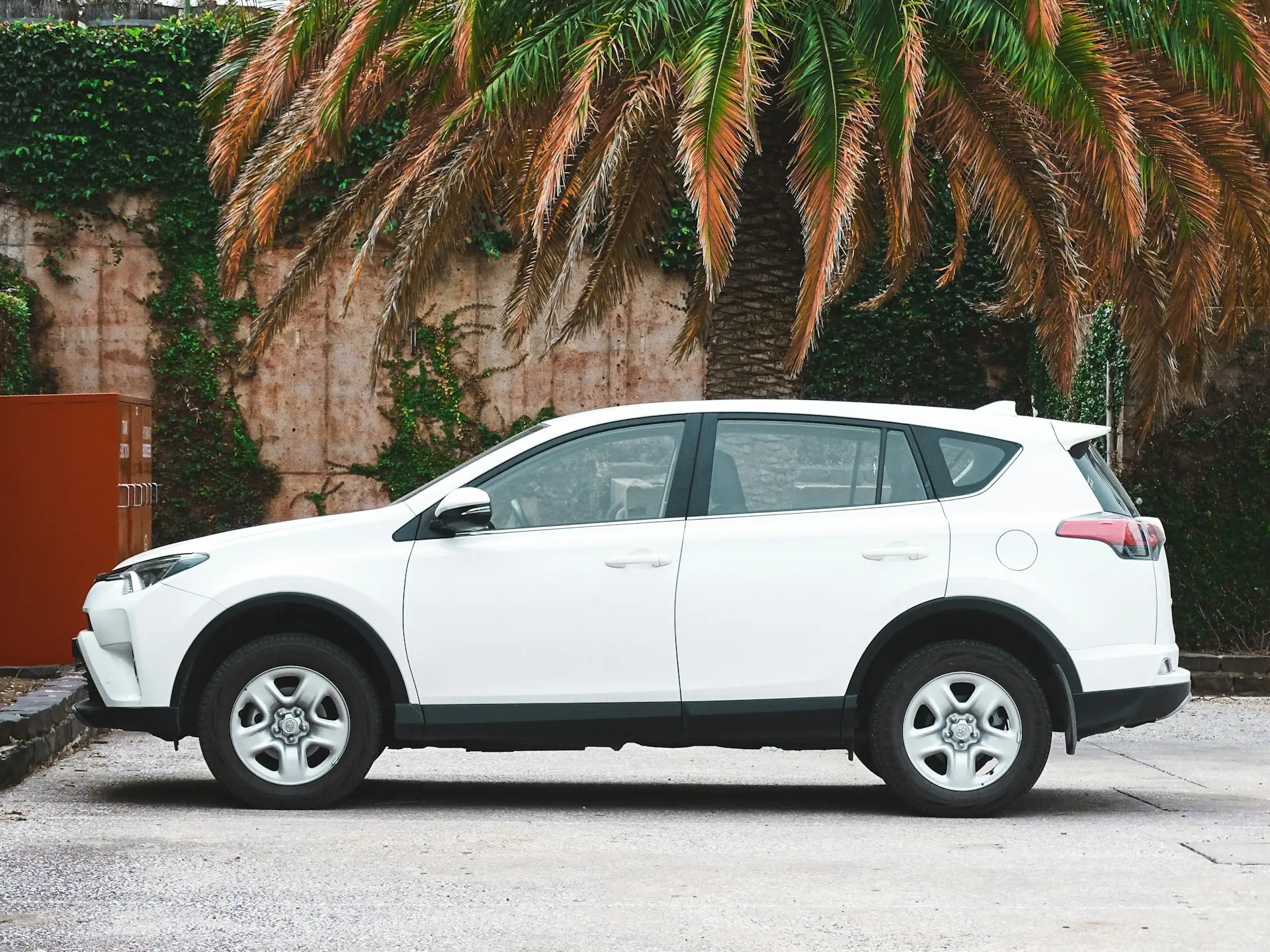
Once you know your patterns, you can discuss the right mix of saloons, SUVs, and other options to match your needs. A provider that understands local roads in Nairobi, Mombasa, and Nanyuki can guide you to a fleet set-up that actually works on the ground.
Ignoring Driver Management, Safety, and Support
It is easy to focus on vehicles and paperwork and forget that people are the ones behind the wheel. Yet driver behaviour, safety, and comfort often have the biggest effect on risk and total cost.
Firms often overlook:
- Clear rules on who is allowed to drive the vehicles
- Proper checks on licences and driving history
- Simple training or briefing on vehicle features and safety steps
Many teams also assume that roadside assistance is automatic. Then, when an incident happens late at night in an unfamiliar area, no one is sure whom to call or what the process is.
The impact of weak driver management includes:
- More accidents and near misses
- Higher stress levels for staff on late or long trips
- Confusing claims and disputes when insurance is involved
A smarter approach is to include driver and safety topics in your long-term car hire planning:
- Decide whether you prefer self-drive or chauffeur-driven options for certain roles or routes
- Set out your own driving policy internally and make sure it matches the provider’s rules
- Confirm 24/7 support, key contacts, and simple reporting steps before anyone starts driving
Regular reviews with your provider can pick up repeat issues, such as certain routes that cause more incidents, and help you plan training and changes where needed.
Plan Your Next Long-Term Car Hire the Smart Way
Poor choices in long-term car hire in Nairobi do not just affect one trip. They can lock your business into months, or even years, of avoidable cost, disruption, and risk. The good news is that most of these problems can be avoided with a bit of structure and the right partner.
As many companies confirm budgets and project schedules around March, this is a smart time to step back and review how your current vehicles are working for you. A simple internal check can cover:
- Hidden costs, such as frequent breakdowns or high fuel use
- Downtime that affects project timelines and client visits
- Safety, comfort, and confidence levels among drivers and passengers
From there, you can define what you really need from long-term car hire, including routes, mileage, vehicle mix, driver policies, and service expectations. When you then compare providers, look for transparent agreements, reliable fleets, and real local experience in Nairobi, Mombasa, and Nanyuki.
At Avenue Car Hire & Leasing, we draw on more than 40 years of fleet experience to help firms avoid these common mistakes and build long-term hire arrangements that actually support the way they work. By focusing on total value, clear service levels, fit-for-purpose vehicles, and strong driver support, long-term car hire can become a steady foundation for your business on the road.
Secure Reliable Transport For The Long Haul
At Avenue Car Hire & Leasing, we make it simple to arrange dependable long-term car hire in Nairobi tailored to your schedule and budget. Whether you need a single vehicle or a full fleet, we will help you choose the right option and keep everything running smoothly. Ready to discuss your requirements or request a tailored quote? Just contact us and our team will get you moving.