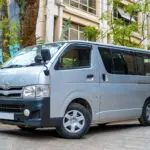
Smarter Long-term Car Hire Choices for Kenyan Teams
Long term car hire in Kenya can either make your work life easier or quietly drain time and money. When vehicles are well chosen and well managed, teams move smoothly between Nairobi, Mombasa, Nanyuki and upcountry sites, with fewer delays and fewer arguments over transport. When it goes wrong, people sit in traffic in the wrong cars, projects stall, and simple trips become daily stress.
More organisations across Kenya are shifting from owning big fleets to long term leasing and car hire. Vehicle prices keep rising, tax rules change, and many teams now work across counties rather than from one fixed office. Flexible access to reliable cars and SUVs fits how modern teams work. But we see the same mistakes made again and again, and most of them can be avoided with a bit of planning.
Respecting Route Realities and Local Terrain
One of the biggest mistakes is choosing cars based only on brand, comfort or rate, without asking where those cars will actually go. There is a big difference between a pool car that stays on tarmac in Nairobi and a field vehicle that spends half its life on rough rural roads.
When teams ignore route realities, problems start quickly:
- Low clearance cars on rough village or project roads
- Light-duty SUVs sent daily onto rocky or muddy tracks
- Petrol engines assigned to heavy routes with long distances
A one-size-fits-all fleet often looks neat on paper. In real life, giving the same saloon or compact SUV to everyone can be costly. Staff working in Nairobi’s CBD mostly face traffic and parking, while teams around Mombasa deal with humid coastal air, port areas and heavier loads. Field officers heading towards Laikipia or beyond Nanyuki may need better ground clearance and stronger suspension.
Seasonal and regional factors matter too. During the long rains, some rural roads cut up badly and bridges can flood. Roadworks around growing towns can force drivers onto rough diversions. In some counties, security rules shape which routes are safe at which times. All of this should guide choices about:
- Ground clearance and tyre type
- 2WD vs 4WD needs
- Fuel type for long-distance or mixed terrain routes
When we match vehicles to the real routes and seasons, breakdowns fall and drivers feel more confident.
Seeing Beyond the Monthly Rate
Another common trap is to look only at the headline monthly rate. It is easy to line up a few quotes and pick the lowest figure. The problem is that long term car hire in Kenya nearly always includes many small details that add up over time.
Things teams often overlook include:
- Mileage limits and excess charges
- Extra driver or named driver rules
- Cross-county or cross-border permissions
- Charges linked to specific routes or use types
If no one checks who is responsible for servicing, tyres and minor repairs, a low monthly rate can turn into regular surprises. High usage routes, like daily journeys between offices or constant upcountry runs, wear out tyres and brakes quickly. If those costs sit with you instead of the provider, your transport budget can get very tight.
Fuel planning is another blind spot. A car that seems fine for short town trips may drink fuel on long highway drives or in stop-start traffic. Over a period of 12 to 36 months, small gaps in fuel estimates can turn into a big difference in total cost. It helps to think about:
- Typical daily and weekly mileage per vehicle
- Mix of city, highway and rough road driving
- Time spent idling in traffic or at sites with the engine running
Looking at the full picture, not just the monthly rate, makes comparisons fair and helps avoid tension later.
Matching Vehicles to Real Team Roles
Many fleets grow by accident. A new project starts, someone orders a few vehicles quickly, and soon cars are being shared and swapped without a clear plan. This is how field officers end up in small saloons on rough tracks or visiting executives arrive at key meetings in cars that do not reflect the organisation.
A better start is to map roles to vehicles. For example:
- Sales teams that visit clients in town, need cars that are easy to park and presentable
- Technical or field teams, need space for tools or equipment and stronger suspension
- Executives and visiting expats, need comfort, safety and a vehicle that fits the meetings they attend
Comfort and safety should never be an afterthought, especially for long days on the road or night driving between towns. A poorly matched vehicle can leave staff tired, less focused and more exposed to risk.
Another easy mistake is to plan only for today. Projects grow, new regions open up and headcount changes. If the fleet cannot flex with this, you end up with:
- Vehicles stuck in low use while other teams are short
- Frequent contract changes and rushed short term hires
- Cars that no longer match new project demands
Thinking ahead, even by one or two project phases, helps you choose more flexible options from the start.
Putting Policies, Training, and Tracking in Place
Some organisations spend months choosing vehicles and almost no time deciding how those vehicles will actually be used day to day. Without simple, clear policies, long term car hire in Kenya can quickly become messy and risky.
Areas that need clear rules include:
- Personal use and family or friend passengers
- After-hours driving, curfews and parking locations
- Use of vehicles during public holidays or seasonal breaks
Driver training is another point many teams skip. A proper handover on each vehicle, basic defensive driving principles and a reminder on Kenyan traffic rules for expats all reduce the chance of accidents and insurance trouble. Even experienced local drivers benefit from updates when they shift from city driving to rural routes.
Basic tracking and reporting does not have to be complicated. Simple mileage logs, trip sheets or GPS data make it easier to:
- Spot misuse or unusual trips
- Plan servicing based on real usage
- Check that invoice mileage or terms line up with reality
The goal is not to micromanage every move, but to keep enough visibility to protect people, vehicles and budgets.
Getting Insurance, Compliance and Support Right
Finally, many teams hear the phrase “fully covered” and assume everything is sorted. In practice, every insurance setup has boundaries and rules, and ignoring them can be painful when something goes wrong.
Points worth checking with any long term car hire arrangement include:
- Excess levels, what you pay before cover kicks in
- Exclusions linked to specific uses, routes or times
- Who is actually authorised to drive each vehicle
Operating across counties also means keeping an eye on licensing, inspection and basic documentation. If papers are missing during a roadside stop or checkpoint, work can be delayed and drivers may face avoidable trouble.
Support outside the big cities is another area where gaps appear. A provider that responds quickly in Nairobi but has no reliable help around Nanyuki, the coast or smaller towns may leave your team stranded for long periods. When projects sit far from major centres, it is worth asking how breakdowns, recoveries and replacement vehicles will be handled.
By spotting these common mistakes early, long term car hire in Kenya stops being a headache and becomes a quiet strength for your organisation. With a bit of planning around terrain, total cost, team roles, policies and support, your vehicles can work as hard as your people, across Nairobi, Mombasa, Nanyuki and the rest of the country. Avenue Car Hire & Leasing focuses on helping teams think through these points so their next long term arrangement is calmer, safer and better aligned to real work on the ground.
Secure Reliable Long-Term Transport For Your Team
If your organisation needs dependable vehicles month after month, Avenue Car Hire & Leasing is ready to support you with flexible terms tailored to your schedule and budget. Explore our long-term car hire in Kenya solutions and let us structure a package that fits your operations perfectly. We will handle the logistics, servicing and support so your team can stay focused on what matters most. Have specific requirements or questions? Simply contact us and we will respond with a tailored proposal.