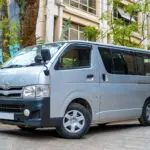
Many project sites in Kenya need vehicles that can do more than just get from one place to another. We work in all kinds of areas, from steep backroads to open stretches where there’s no tarmac in sight. That’s where a cab double fits in. It’s strong enough to take on rough terrain but still has space to carry your crew and their gear. Whether it’s building work, survey runs, or hopping between counties, these vehicles keep things steady across busy project timelines.
Work in places like Nairobi, Mombasa, or Nanyuki changes fast, and so do transport needs. One day you’re carrying people, the next it’s spare parts or tools. A cab double gives you that middle ground that saves time and headaches on the move.
Why Double Cabs Suit Kenya’s Project Sites
Project sites come in all shapes and sizes, and so do the roads that lead to them. Here’s why double cabs often win out:
- They carry both people and goods, so you’re not stuck needing two vehicles
- They climb over tough spots or potholes where smaller cars struggle
- They fit into narrow or crowded spaces better than big trucks
- They handle steep drives or loose terrain without getting bogged down
Instead of needing to choose between comfort or carrying power, a cab double lets us do both. For daily runs or multi-week work, it fits right into what most field teams need.
Avenue Car Hire & Leasing supplies double cabs that are well-suited to the field tasks described, with configurations ideal for upcountry journeys and heavy project use, as highlighted on our fleet page.
On-Site Versatility and Daily Practical Use
We see projects in telecom, construction, and research needing vehicles that can handle a bit of everything. A double cab gives us flexibility each day without overplanning.
- Need to take three or four people with clipboards and bags? Sorted.
- Heading back to town with a load of cement or pipework? Not a problem.
- Bouncing between pop-up tents and container offices on-site? Easy.
Whether it’s rain-slick farm tracks or a dry, bumpy ridge, these vehicles rarely slow things down. They also mean less back-and-forth since one vehicle does several jobs.
Our double cab lineup is maintained to high standards, and these vehicles are available for both short- and long-term project assignments across Kenya.
With a Driver or Self-Drive: What Works Best
When a team is new to an area or working across different zones, hiring a driver helps everyone stay on track without worrying who takes the wheel next. It’s useful in places like Mombasa or Nairobi, where traffic can steal half the day if you’re not careful.
But if a crew is on one site for a few weeks or more, self-drive sometimes makes more sense. They know the path, know the checkpoints, and want to move on their own time. Swapping between those two options is easy, especially when teams change or plans shift.
Matching the Vehicle to the Job
It’s not always obvious which vehicle type to use until you’re standing by the roadside looking at the load. Compared to single cabs or vans, here’s where the double cab really fills a gap:
- Extra back seats for people, but still space in the back bed
- Lets you move both gear and crew in one go
- Doesn’t feel oversized for town driving, but still carries weight well
- Suits mixed days where plans change mid-morning
We often look at weight limits, road surfaces, and how many people are riding along. The cab double gives room to plan less and get more done without needing a backup vehicle trailing behind.
Support That Keeps Projects Running
In the middle of a job, we can’t afford long delays if something goes wrong with a vehicle. That’s why having local support close by in towns like Nanyuki or Mombasa matters. Whether it’s a minor fix or a vehicle swap-out, being nearby saves hours.
When our vehicles match across different projects, it keeps everything simple. Drivers don’t waste time adjusting to new set-ups, and managers don’t need to retrain anyone on how the vehicle works.
- One type of vehicle across jobs saves admin trouble
- Local backing means speedier help if a tyre’s down or paperwork gets tricky
- Quick swaps keep crews moving during tight timelines
Built for Kenya’s Season and Soil
February can be unpredictable across Kenya. You might leave in sunshine and hit rain halfway toward the next site. Roads don’t always hold up, especially the lesser-used ones.
That’s where double cabs earn their place. They sit high, keep traction on wet clay, and clear puddles other cars struggle with.
- Cab doubles handle shifting weather better than most lighter vehicles
- Mud, loose gravel, or patchy flood spots don’t stop the day
- Teams stay safe and dry while work pushes forward
When the jobsite is an hour down a winding farm road or has soft shoulders after overnight rain, that extra grip and size can make or break the schedule.
Keeping Projects on Track from the First Mile
Project-based work moves fast. Staff change, timelines shift, and the weather doesn’t always play nice. But a cab double gives us the sort of day-to-day cover that helps jobs keep going without skipping a beat.
The comfort inside means riders aren’t worn out before they arrive. The open bed means no one’s leaving tools behind for a second trip. In a week where plans might flip twice, it’s easier to deal with when the transport holds steady.
From site prep in Nanyuki to coastal runs near Mombasa, a cab double helps balance what’s practical and what’s possible, rain or shine. We stick with them because they keep pace with how real projects actually move.
Managing fast-paced projects across Kenya is easier when you have one vehicle that handles every challenge. A cab double brings together dependable crew space and solid carrying power for demanding days on the job in Nairobi, Mombasa, or further afield in Nanyuki. At Avenue Car Hire, we know this versatile solution works well for mixed tasks without adding unnecessary planning. Check out our fleet and see how we can support your next field run or team rotation, and contact us to get started.