
Is Toyota Prado Hire the Smart Choice for Mid-Year Circuits?

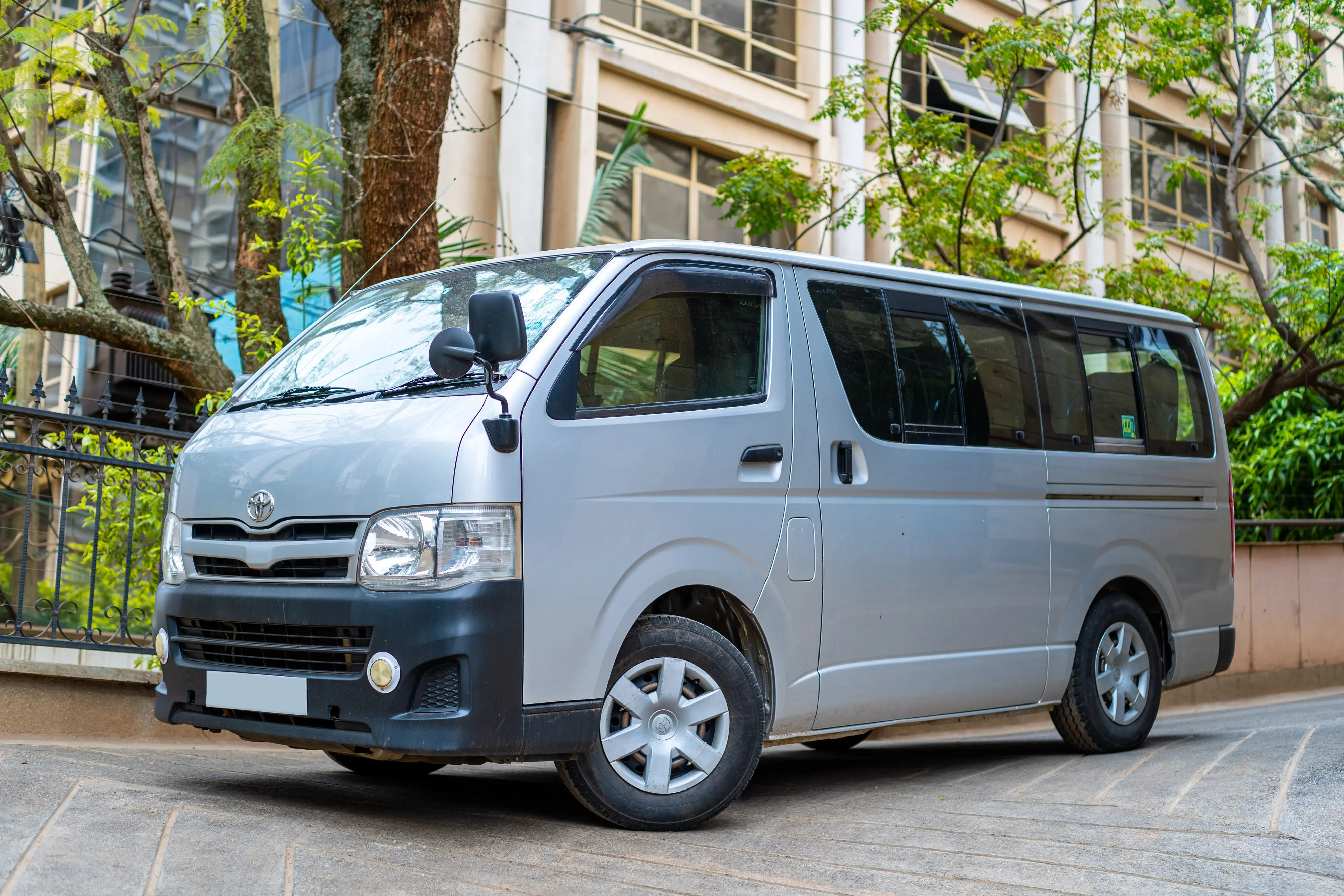
Toyota Prado Hire

Why Your Mid-Year Planning Circuit Needs the Right 4×4

Mid-year planning circuits in Kenya are rarely simple city hops. Corporate teams, NGOs and expat managers often need to move quickly between head offices, branch locations, client sites and projects scattered across Nairobi, Mombasa, Nanyuki and upcountry towns. In a single week you might combine boardroom reviews, field supervision, community visits and high-profile client meetings.

That kind of schedule puts real pressure on logistics. You are dealing with mixed road surfaces, from smooth highways to patchy rural access roads, tight timeframes, changing daylight and the need to arrive looking composed and professional. For many teams, a Toyota Prado becomes the obvious candidate, but is it always the smartest choice, or would a smaller SUV or saloon be enough? At Avenue Car Hire & Leasing, we work with corporates and expats every day and our role is to match vehicle choice to your route, budget and organisational goals, including tailored Prado lease deals in Mombasa, Nairobi, Nanyuki and across Kenya.

What a Toyota Prado Offers on Kenyan Roads

The first thing teams notice in a Prado is comfort. There is generous legroom for both front and rear passengers, which makes a difference when you are spending full days on the road, taking calls and preparing for the next meeting. The seating position is relaxed without feeling lazy, and there is space in the back for suitcases, laptops, product samples or technical kits that would quickly overwhelm a smaller boot.

Comfort links directly to energy levels. When senior staff are visiting from abroad, or local executives are chairing full-day reviews in different towns, stepping out of a comfortable 4×4 instead of a cramped saloon can be the difference between a sharp presentation and a drained one. On planning circuits, you rarely have the luxury of long breaks, so the vehicle becomes your moving office and recovery space.

Capability and safety also matter. A Prado’s high ground clearance helps you pass confidently over uneven surfaces, potholes and the occasional rough construction stretch on the outskirts of towns. The suspension is built to absorb corrugations and small ruts that are common on rural or coastal roads, which means less jolting for passengers and equipment. Features like solid braking, good visibility and stable handling at highway speeds contribute to a more reassuring experience, especially when the weather changes or you are finishing the day after dark.

There is also the question of image. When you are receiving visiting executives, donors or international partners, arriving at a key meeting in a well-presented Prado sends a different signal than turning up in a small hatchback. It suggests that you take safety, comfort and planning seriously, without being flashy. For field visits, it also shows staff and community teams that their time and wellbeing are being respected.

Finally, the Prado is versatile. One day you might be on the highway between Nairobi and Nanyuki, the next turning off towards a remote site or cutting through busy coastal traffic in Mombasa. A Prado can switch between these roles easily, so you do not have to second-guess whether your vehicle can cope if the itinerary shifts.

When Prado Hire Makes Sense for Your Planning Circuit

So when does Prado hire or leasing genuinely make sense for a mid-year circuit, rather than being a nice-to-have upgrade?

Start with the trip profile. If you are running a multi-city route, for example Nairobi to Nanyuki, then on to Mombasa and perhaps a few regional towns, you are likely to have early departures, late arrivals and some stretches on secondary roads. Any mix of city traffic, highway cruising and rural detours leans in favour of a proper 4×4, particularly if the schedule is tight.

Passenger and cargo needs come next. A Prado suits teams of three to five people who are carrying:

  • Multiple laptops and presentation kits  
  • Field samples or demonstration units  
  • Overnight bags for several nights away  
  • Light technical or monitoring equipment  

Once you go beyond two people with hand luggage, a small saloon can quickly feel overloaded and uncomfortable.

Risk and reliability are also key. On circuits where missing one meeting could derail the whole week, you want to reduce the chance of delays. A Prado’s track record on mixed terrain, and its ability to handle poor stretches without stress, can provide that extra margin of confidence, especially if you will be in areas where service options are limited.

That said, a Prado is not always necessary. For short, urban-only circuits with one or two staff shuttling between offices in Nairobi or Mombasa, a compact saloon or smaller SUV is usually enough and more economical. The value of stepping up to a Prado becomes clear once distance, passenger numbers, and route uncertainty start to rise, and when the cost of fatigue or delays outweighs the higher hire rate.

Cost, Value and Leasing Options to Consider

Budget conversations often focus only on the daily hire rate, but it helps to look at the full picture. When you factor in time saved on poor roads, reduced fatigue for key staff, fewer unplanned stops and a greater safety margin, a Prado can represent good value on the right type of circuit. The vehicle essentially becomes part of your risk management plan.

If your organisation runs mid-year, quarterly or even monthly field circuits, it may be worth comparing short-term hire with a longer leasing arrangement. Leasing can give you predictable costs, consistent vehicle quality and less admin each time a trip is planned. For teams with ongoing activity at the Coast, we often see interest in Prado lease deals in Mombasa that support regular regional movements without repeated short-notice bookings.

Location affects the calculation as well. A Nairobi-based head office might combine Prado leasing for frequent upcountry travel with occasional hire in Nanyuki for specific site visits. Coastal operations might prefer to keep a leased vehicle in Mombasa to cover both island and mainland routes.

When planning your mid-year budget, it helps to outline:

  • Estimated number of circuits and travel days  
  • Typical routes and expected road quality  
  • Fuel expectations based on distance and vehicle choice  
  • Insurance and any additional cover your policies require  
  • Whether chauffeur-driven or self-drive will be standard  

Thinking through these points early makes it easier to compare options on a like-for-like basis.

Chauffeur-Driven vs Self-Drive for Planning Circuits

Once you have decided on the vehicle category, the next question is how you want to operate: chauffeur-driven or self-drive.

Chauffeur-driven Prados offer several advantages for planning circuits. Your team can use travel time to prepare slide decks, review reports or follow up on calls instead of focusing on traffic. A professional driver who knows Nairobi’s changing traffic patterns, Mombasa Island and Mainland routes, and rural shortcuts around Nanyuki can help you keep to a tight timetable. On longer days, not having to drive yourself reduces fatigue and can contribute to safer decision-making.

Self-drive can still be the right choice in some scenarios. Local field teams who know Kenyan roads well may prefer having complete control over departure times, stopovers and detours. For shorter circuits with lighter schedules, self-drive can also be more cost-effective, especially if one of the team members is happy to take on driving duties.

Safety and compliance are another angle. Experienced chauffeurs are typically more practised at handling police checks, county inspection points and access controls for certain project sites. This can make days run more smoothly, particularly when you have visiting expat executives who are unfamiliar with local processes.

Matching the option to your team profile helps. For VIP or board visits, chauffeur-driven usually provides the best balance of comfort and professionalism. For routine monitoring trips by field staff, self-drive can deliver flexibility while keeping costs manageable.

How to Decide If a Prado Is Right for Your Next Circuit

When you are weighing up Prado hire against other options, a simple checklist can help clarify your thinking:

  • How many kilometres will you cover, and on what mix of roads?  
  • How many people and how much luggage or equipment are you carrying?  
  • How important are security, reputation and professional image on this circuit?  
  • How often will similar trips run across the year?  
  • What is the impact if you face delays or vehicle issues?  

Using local expertise can refine that further. At Avenue Car Hire & Leasing, we look at your actual itinerary, likely road conditions and internal policies, then recommend a vehicle category and structure offers accordingly. That might mean a Prado for a demanding circuit, or a smaller SUV or saloon where it clearly fits better. For coastal and regional teams, we can build competitive Prado lease deals in Mombasa into a wider fleet approach, alongside tailored packages in Nairobi and Nanyuki, so your mid-year planning circuits are supported by vehicles that genuinely match your operational needs.

Secure Flexible Prado Leasing For Your Mombasa Operations

Explore our tailored Toyota Prado lease deals in Mombasa and give your team reliable, executive-level transport without the long-term financial burden of ownership. At Avenue Car Hire & Leasing, we structure leases around your mileage, duration and budget so you only pay for what you truly need. If you have specific requirements or need guidance on the best option for your business, simply contact us and we will help you get started quickly.

Regional Car Rental in Kenya for Business and Travel

Car Rental

Regional car rental in Kenya is about much more than simply getting from A to B. For corporates, NGOs, and expats, the right car hire or leasing setup can determine how smoothly meetings run, how safely teams reach project sites, and how predictably budgets are managed month after month.

Think of a typical work week that might start with an early morning landing in Nairobi, continue with a site visit in Nanyuki, then finish with client meetings in Mombasa. When you have one regional provider handling your mobility across these routes, everything from vehicle collection to maintenance and billing becomes significantly easier. In this article, we share what we have learned from operating across Kenya, and how leasing cars in Kenya and renting regionally can support both business and travel.

Kenya has distinct regional personalities. Nairobi is the commercial engine, full of corporate offices, diplomatic missions, and NGOs. Mombasa is the coastal gateway, with port operations, tourism, and logistics. Nanyuki and its surrounds open the door to conservation areas, ranches, and adventure tourism. Add to that a growing network of regional towns where new projects are constantly starting, and the need for consistent, reliable transport becomes obvious.

Working with a single provider that has a footprint in Nairobi, Mombasa, and Nanyuki helps tie all of this together. It reduces the time your team spends arranging different rentals in each town, cuts down on miscommunication, and can bring better value through consolidated agreements. For corporates and expats in particular, regional car rental is really about safety, continuity of service, and presenting a professional image every time you arrive at a meeting or project site.

Key Regional Car Hire and Leasing Options

When people talk about leasing cars in Kenya or hiring across regions, they are usually referring to a few main service types. Short-term car hire covers daily or weekly rentals, ideal for business trips, visiting teams, or short projects. Long-term leasing runs from several months to multiple years, giving you dedicated vehicles without needing to buy them outright. Chauffeur-driven services add a professional driver, which is especially helpful for visitors unfamiliar with Kenyan roads or local routes. Then there is full fleet management, where a provider looks after the entire transport operation for corporates or NGOs that operate across several counties.

Choosing the right type of vehicle is just as important as picking the contract model. Saloons and compact cars are well suited to Nairobi’s business districts or coastal city driving. SUVs and 4x4s come into their own on rougher roads around areas like Laikipia and remote project sites. Vans and buses work well for team movements, conference groups, or staff transport. Premium vehicles are often reserved for executive travel, high-level meetings, or hosting overseas visitors.

Contracts for leasing cars in Kenya generally fall into three broad categories. Daily rental is flexible and ideal for short visits or changing schedules. Monthly leasing is helpful when you have ongoing work but are not ready to commit to fleet ownership. Multi-year fleet agreements tend to suit organisations with long-term projects and multiple sites, where fixed monthly costs and standardised vehicles make planning easier.

It also pays to be clear on a few common terms before you sign anything. These include mileage limits, policies on cross-county travel, rules for additional drivers, and any extra conditions for visiting certain parks or protected areas. Understanding these details upfront helps avoid surprises later.

How Regional Leasing Supports Corporates and Expats

For organisations, one of the strongest benefits of regional car leasing in Kenya is consistency. If your branches in Nairobi, Mombasa, and Nanyuki are all operating with different vehicles, varying safety standards, and separate billing systems, it becomes hard to control costs or maintain a unified brand image. A regional provider can standardise vehicle quality, safety features, and comfort levels so that staff and visitors have the same experience wherever they travel.

Expats and project teams gain in slightly different ways. Long-term leasing gives them predictable monthly costs without the hassle of buying, registering, insuring, and eventually selling vehicles in an unfamiliar market. When work takes them from city to coast to highlands, they can rely on the same support structure, instead of trying to manage separate local rental agreements every time they move.

With centralised fleet management, transport is coordinated from one point, even if your operations are spread out. That usually means one account, unified billing, and coordinated service and maintenance schedules. For sectors like NGOs with remote field projects, construction firms with multiple sites, tour operators, embassies, and regional head offices, this kind of joined-up system can save time and reduce stress.

Some of the day-to-day advantages include:

  • Standard driver training and safety expectations across all regions  
  • Easier reporting on vehicle usage and transport costs  
  • Faster decision making when reallocating vehicles between projects  
  • Single escalation route when issues arise on the road  

Practical Considerations When Renting Across Regions

Before you get behind the wheel, you need the right documentation. Drivers must hold a valid licence that is recognised in Kenya, and corporates typically need basic company documents to open an account. Expats may require additional identification or proof of residence depending on the provider’s policy, so it is best to clarify that in advance.

Insurance and safety should always sit at the top of your checklist. Comprehensive insurance should cover the vehicle and third parties, and you should know exactly what is included, what the excess is, and how claims are handled. Roadside assistance is especially important once you leave the major cities. On long rural stretches, a reliable provider who can arrange help, swaps, or recovery can make a big difference to both safety and schedules.

Vehicle selection needs to follow your route. Around central Nairobi, Mombasa’s city streets, or other well-paved urban areas, fuel-efficient saloons tend to be the most practical option. For routes that include Nanyuki, Laikipia, or unpaved roads, higher ground clearance and, in some cases, 4×4 capability are better suited to the conditions and can reduce the risk of delays.

Operational logistics are another part of the puzzle. Regional car hire often involves airport pickups and drop-offs, one-way rentals between cities, and the need to swap vehicles if routes or project needs change. Good providers will have clear processes for pre-trip checks, servicing, and repairs, even when you are far from their main office, so that your schedule is not disrupted by preventable issues.

Costs, Contracts and Value for Money

When you look at the costs of leasing cars in Kenya or renting regionally, you are really looking at several components added together. There is the base daily or monthly rate, fuel, insurance, and optional driver services. On top of that you may have taxes, add-ons such as child seats or GPS, and any fees related to extra mileage or special destinations.

Comparing the real cost of owning versus leasing is particularly important for organisations that operate across multiple sites. Vehicle ownership comes with funding, depreciation, insurance management, servicing, parts, downtime when vehicles are off the road, and the administrative work of managing all of this. Leasing or managed fleet solutions roll many of these elements into a predictable fee, and the provider carries much of the operational burden.

Before you sign, review key contract points such as:

  • Contract duration and options for extension or early termination  
  • Mileage caps and what happens if you exceed them  
  • Policies for fair wear and tear versus chargeable damage  
  • Service level expectations for breakdown response and replacement vehicles  

Budgeting for regional mobility also means thinking about seasonal peaks in demand, such as holiday periods and major events, as well as fuel planning for long-distance routes. Consolidating your regional needs with one provider can sometimes create room for more favourable terms, especially if you have a mix of short-term and long-term requirements.

Choosing the Right Regional Rental Partner

Selecting a regional partner for leasing cars in Kenya is partly about scale and partly about service. You need a provider with real coverage across key locations like Nairobi, Mombasa, and Nanyuki, and a fleet that ranges from saloons to larger vehicles and 4x4s. Just as important is experience working with corporates and expats, since their needs around reporting, compliance, and comfort can be quite specific.

There are some simple service quality signals to look for:

  • Clear, prompt communication before and during your contract  
  • Transparent pricing with no confusing add-ons  
  • Modern, well-maintained vehicles that are clean and ready on time  
  • Professional drivers where chauffeur services are provided  
  • Straightforward paperwork and contract terms  

Local expertise adds real value too. A provider that understands Kenyan road conditions, seasonal rainfall patterns, and regional security considerations can advise on the most suitable vehicles and routes for your team. They can also help ensure your operations stay within local legal requirements.

Finally, regional mobility tends to work best as a long-term relationship, not a one-off transaction. As your footprint grows or projects change, a partner that already understands your organisation can adjust fleet sizes, vehicle types, and contract structures accordingly. Over time, that shared knowledge helps make your transport setup smoother, safer, and better aligned with how you actually work across Kenya.

Secure Reliable Vehicle Leasing For Your Business Growth

If you are exploring flexible and cost-effective options for leasing cars in Kenya, we can tailor a solution around your fleet size, budget and long-term plans. At Avenue Car Hire & Leasing, we handle everything from vehicle selection to maintenance so your team can stay focused on daily operations. Speak to our specialists today to discuss your requirements or request a quotation via contact us.

Self-Drive Car Hire in Mombasa for Coastal and Ocean Projects

Car Hire

Why Self-Drive Works for Ocean-Focused Teams in Mombasa

Self-drive car hire is one of the most practical ways to keep coastal and ocean projects in Mombasa running on time and within budget. From port operations to conservation work along the shoreline, teams need reliable transport that adapts to shifting tides, meeting times, and field conditions, not the other way around. When your work spreads across the island, north and south coast, and up to Kilifi, a vehicle you control directly can make the difference between keeping to schedule and losing days to logistics.

Mombasa’s coastal layout, active port and industrial zones, and scattered project sites mean travel is rarely in a straight line. Marine research teams might need to move between a beach sampling site, a partner lab, and a hotel base in a single morning. Port and offshore support teams may start at a yard near the port, then head to a ship chandler, and finish at a beach landing site. With self-drive car hire, project managers decide when to leave, how long to stay, and which route to take, without being tied to a driver’s shift or waiting for an available taxi.

For project budgeting, self-drive car hire brings much clearer cost visibility than ad hoc taxis or long driver retainers. You agree the vehicle rate up front, track fuel and mileage directly, and can separate private and project use easily in your reporting. As Avenue Car Hire & Leasing, with a presence in Mombasa as well as Nairobi and Nanyuki, we support both short, intense ocean surveys and long-running coastal infrastructure or conservation programmes that need consistent, dependable transport.

Matching Vehicles to Coastal and Ocean Project Needs

Different coastal and ocean projects in Mombasa have very different vehicle needs. Port and terminal work often involves short trips between offices, yards, and stakeholders around the port and CBD. Conservation teams working in beach and mangrove areas may be dealing with sandy access roads and tracks. Marine research and NGO teams often move people and equipment between Mombasa, Kilifi, and Diani on a regular basis.

Choosing the right vehicle for each job helps keep operations smoother and safer. For example:

  • Fuel-efficient saloon cars work well for city and port errands, document runs, and meetings with authorities or suppliers.  
  • 4x4s and double-cab pickups are well-suited to sandy tracks, rough access roads to mangroves, and informal landing sites.  
  • SUVs and vans support group travel, whether that is moving research teams, NGO staff, or corporate visitors, plus their kit.  
  • Long-term leasing options suit organisations that maintain a permanent base on the coast and need dedicated vehicles year-round.

Ocean-focused work brings some specific vehicle considerations. Load capacity matters when you are carrying sampling equipment, snorkelling or dive gear, water quality instruments, or field survey tools. Ground clearance can be important for beach access tracks, construction sites, or areas prone to potholes. Good AC helps protect sensitive instruments, as well as keeping teams comfortable in coastal heat and humidity. Reliability is key if your schedule involves frequent movements between Mombasa, Kilifi, Diani, or other coastal towns.

Practical Considerations for Self-Drive Car Hire

Before collecting a self-driving vehicle, it helps to be clear on licensing and driver requirements. Drivers will need a valid driving licence and must meet the age requirements stated at booking. Expat staff and visiting specialists should bring both their licence and proof of identification, and in many organisations, drivers also need internal company approval to operate hired vehicles. Setting this up in advance avoids delays when time-sensitive fieldwork is about to start.

Insurance and risk management are equally important. Comprehensive cover, excess amounts, and what is and is not included for coastal driving should be confirmed before signing. It is useful to clarify how the policy treats damage linked to rough access roads, beach tracks, or increased salt exposure, and whether additional cover makes sense for very intensive fieldwork or multi-driver projects. A short briefing for all drivers on what to do in the event of an incident can also save stress later.

Operational details can have a big impact on how smoothly your project runs. We recommend checking:

  • Fuel policy and how refuelling will be handled on trips between counties.  
  • Any mileage limits and how extra kilometres are charged.  
  • Availability of GPS or tracking options if your organisation needs trip records.  
  • Whether roof racks or other accessories are available for bulky equipment.  
  • Conditions for using vehicles across coastal counties like Mombasa, Kwale, and Kilifi.

Driving Mombasa Roads, Coastal Routes, and Site Access

Mombasa’s roads reflect its mix of port city, tourist hub, and coastal county capital. For ocean projects, the main corridors often include port access roads, industrial areas around the harbour, and links to partner offices in the CBD and Nyali. Field teams might travel to beach zones in Nyali, Bamburi, Shanzu, or further down to Diani, as well as up the coast towards Kilifi, Malindi, or beyond, depending on the scope of their work.

Traffic around the island and the Likoni ferry can be heavy, especially at peak hours, so planning departure and return times helps avoid losing productive field time in queues. Rainy periods can change road surfaces quickly, with more standing water and soft patches on unpaved tracks. Near the shoreline, sand and salt spray can affect both traction and vehicle finishes, which is another reason regular checks are important. Safe parking at beaches, landing sites, and small village centres should be planned, ideally with agreed spots that are visible and acceptable to local communities.

Basic safety habits go a long way. Before heading onto rough or sandy tracks, we suggest:

  • Checking tyre condition and pressure, plus the spare.  
  • Confirming you have a jack, wheel spanner, and basic tools.  
  • Not overloading the vehicle with people or equipment.  
  • Securing loose gear so it does not move during braking or on uneven surfaces.  
  • Reviewing Kenya’s road rules with any visiting drivers who are new to local conditions.

Respect for local communities and conservation areas is part of responsible coastal work. That means driving slowly near villages and sensitive habitats, keeping to existing tracks where possible, and parking only in agreed or clearly appropriate areas. This helps protect your team, your hired vehicles, and your project’s relationship with local partners.

Structuring Long-Term Coastal Transport with Leasing

At some point, short-term self-drive car hire may no longer be the most efficient option. If your ocean or coastal project runs for many months, or you expect repeat phases along the Mombasa coast, long-term leasing can give you more structure and predictability. Instead of booking individual hires each time, you have dedicated vehicles available when you need them, on terms that fit your project calendar.

Leasing can be especially helpful for NGOs, research institutions, and corporates with a defined presence on the coast. Monthly budgets become more predictable, and vehicles are scheduled for regular servicing to maintain reliability. If downtime occurs, replacement units can be arranged so work does not stall. Fleets can often be scaled up or down as project phases change, for example, increasing vehicles during intense survey windows, then reducing again in quieter periods.

Because Avenue Car Hire & Leasing also operates in Nairobi and Nanyuki, we can support organisations whose work spans both coastal and inland sites. Having the same partner across locations simplifies documentation, approvals, and reporting, and helps maintain consistent standards for vehicles and support.

Turning Coastal Plans Into Action with Self-Drive Support

Well-planned self-drive car hire and leasing provide the backbone of many successful ocean-focused projects in Mombasa. With the right vehicles in place, teams can reach more sites in a day, respond quickly to changing conditions, and maintain clearer control over safety and budgets. From port meetings to mangrove surveys and offshore support runs, reliable transport keeps plans moving instead of getting stuck in traffic or paperwork.

The most effective approach is usually to map your routes, equipment needs, driver requirements, and project timelines in detail, then align these with suitable vehicles and terms. By thinking through access roads, coastal county movements, and day-to-day field patterns in advance, your team is better prepared to start work on site, on time, and with fewer logistical surprises.

Streamline Your Next Journey With Flexible Self-Drive Solutions

If you are ready to simplify business travel with reliable vehicles and clear pricing, our self-drive car hire options make it easy to get on the road quickly. At Avenue Car Hire & Leasing, we work with you to match the right vehicle to your schedule, mileage and budget. Whether you need a short-term booking or a longer arrangement, we keep the process straightforward from enquiry to return. If you have specific requirements or prefer to talk things through, simply contact us and we will help you plan your next journey.

Why Expats Prefer Corporate Car Hire in Kenya’s Dry Months

Car Hire

Smart Mobility in the Dry Season

Kenya’s dry months bring blue skies, strong sun, and, very quickly, a very dusty driving experience. Roads that felt relatively smooth after the rains can turn powdery, with loose gravel, glare from the tarmac and longer, hotter journeys between sites. Whether you are commuting across Nairobi, travelling between clients in Mombasa or heading upcountry from Nanyuki, the conditions change how your vehicle behaves and how much attention it needs.

For expats, these shifts are often felt more sharply. New arrivals may be adjusting to unfamiliar road layouts, variable surface quality and a driving culture that is very different from what they are used to at home. It is one thing to learn a new city, it is quite another to do it in heavy traffic, bright sun and dust, in a car you are not sure you fully trust.

This is where professional car hire and corporate vehicle leasing in Kenya come into their own. With the right partner, expats and their employers can reduce stress, improve safety and keep costs predictable, even when the weather makes the roads less forgiving. At Avenue Car Hire & Leasing, we see the dry season as a time to be prepared, not worried.

Navigating Kenyan Roads When the Rains Disappear

When the rains fade, each Kenyan city shows its own character on the road. In Nairobi, construction zones, diversions and heavy traffic can kick up fine dust that hangs in the air and settles on every surface. In Mombasa, coastal roads can combine heat, humidity and patches of loose sand that feel unexpectedly slippery, especially around port areas. In Nanyuki, stretches of unpaved or partially paved road can become dry, rutted and stony, particularly on routes to ranches, farms or conservancies.

These conditions put extra strain on vehicles. Tyres work harder over corrugations and potholes that have dried into hard edges. Suspension components get shaken repeatedly. Air filters clog faster with dust, and AC systems are asked to run almost constantly in the heat. Without frequent checks and timely servicing, small issues can become breakdowns at exactly the wrong moment.

Many expats decide they do not want the worry of owning and maintaining a private car in these conditions. Finding trustworthy garages, sourcing parts and managing repairs in a new country can quickly eat into working hours and personal time. By turning to specialist providers who are used to specifying vehicles for local roads, and who schedule maintenance around the dry season’s extra demands, expats can keep their focus on their assignments rather than on their car.

Why Corporate Car Hire Beats Private Ownership for Expats

For expats and their employers, the difference between owning a car and using corporate vehicle leasing in Kenya often starts with cost and commitment. Buying a vehicle means a large upfront payment, import duty in many cases, ongoing insurance, and the risk that resale value will not match expectations when it is time to leave. Corporate car hire, on the other hand, usually runs on an agreed monthly cost that wraps up many of these elements in a single, predictable figure.

Flexibility is another major reason expats prefer leasing. Assignments change, projects expand or contract, and family members may join for part of a posting. With a corporate arrangement, it is typically much easier to swap to a different vehicle category, extend or shorten the term, or add extra cars when colleagues or relatives visit. Ownership locks you into one vehicle that might not fit your needs six months down the line.

The service side of leasing is especially valuable. A good provider will handle scheduled servicing, remind you when checks are due and arrange work at times that minimise disruption. Many expats and HR teams also benefit from:

  • Roadside assistance as standard  
  • Replacement vehicles when a car is off the road  
  • Clear, itemised billing that fits internal approval processes  
  • Support with insurance and routine paperwork  

For corporate mobility managers, this turns transport from a constant admin task into a managed service that is easier to explain and justify internally.

Safety, Reliability and Driver Support in Dry Months

Safety becomes even more important when surfaces are dusty, visibility drops and long trips upcountry are part of the job. Professional corporate fleets are typically newer and kept on tighter maintenance schedules than many privately owned cars, which helps reduce the likelihood of problems during high-heat, high-dust periods. Before longer journeys, checks on fluids, tyres and critical systems can be organised so the vehicle is genuinely ready for the road.

For many expats, the biggest difference comes from driver-supported services. A local driver who knows the routes, understands how traffic behaves at different times of day and is familiar with checkpoints and roadworks can transform how a journey feels. Instead of fighting with directions and unfamiliar driving styles, expats can work, make calls or simply arrive rested.

Driver support also helps reduce fatigue, which is a major factor in road safety worldwide. When the car is being handled by someone who drives those roads every day, expats can avoid the stress of long hours behind the wheel in hot, dry conditions. In our experience at Avenue Car Hire & Leasing, this combination of reliable vehicles and experienced drivers is one of the key reasons expats stay with corporate hire through multiple dry seasons.

Tailored Solutions Across Nairobi, Mombasa and Nanyuki

Different locations demand different transport setups, and expats stationed in Kenya often move between cities during their time here. In Nairobi, corporate clients typically need comfortable saloons or compact SUVs for meetings, site visits and airport runs through heavy traffic. In Mombasa, there may be greater focus on port access, industrial zones and tourism-related work, all of which can involve varied roads and occasional sand or gravel.

Around Nanyuki, we see more demand connected to safari, conservation and agricultural projects. Journeys may involve rougher tracks, early starts and late finishes, and vehicles need enough clearance and durability to cope. Across these settings, a large and varied fleet is important so HR teams and expats can match the vehicle to the role.

This is where having one nationwide partner for corporate vehicle leasing in Kenya reduces complexity. Instead of dealing with separate suppliers in each city, HR managers can coordinate requirements, reporting and approvals through a single relationship. Common standards for vehicle quality, driver training and communication help keep expectations aligned, whether someone is attending a board meeting in Nairobi or visiting a remote site outside Nanyuki.

Choosing the Right Partner for Hassle-Free Dry Season Travel

Selecting a car hire or leasing partner is about more than choosing a daily rate. For expats and corporate mobility managers, it is worth checking that a provider genuinely understands expat needs and the realities of Kenyan roads in the dry months. Experience serving international organisations, the option of driver-supported vehicles and access to help at all hours all contribute to a smoother experience.

Before you commit, it can help to ask direct, practical questions such as:

  • How often are vehicles serviced, and are intervals adjusted for dusty conditions?  
  • What is the typical response time if a car breaks down during a trip?  
  • Are backup vehicles available at short notice if something goes wrong?  
  • Can contracts be customised for long-term leasing, including vehicle swaps or driver allocation?  
  • How are minor incidents and insurance claims handled in day-to-day practice?  

At Avenue Car Hire & Leasing, based here in Kenya, we see dry months not as a problem but as a reality to be planned for. With the right mix of reliable vehicles, thoughtful maintenance and professional driver support, expats can stay safe, comfortable and productive throughout the season, wherever their work takes them.

Drive Your Business Forward With Flexible Corporate Leasing

If you are ready to streamline your fleet and reduce vehicle ownership headaches, our team at Avenue Car Hire & Leasing is here to help. Explore how our corporate vehicle leasing in Kenya can be tailored to your business needs, from small teams to large corporate fleets. We take the time to understand your operations, advise on the right vehicles and structure a leasing plan that works for your budget. To discuss your requirements or request a tailored quote, simply contact us today.

Smart Car Hire for Out-of-City Corporate Assignments in Kenya

Smart Car Hire

Smart Car Hire for Out-of-City Corporate Assignments in Kenya

Corporate teams in Kenya are on the road all the time, moving between Nairobi, Mombasa, Nanyuki, Naivasha, Eldoret, Kisumu and many smaller towns. Field audits, sales visits, NGO projects, board retreats and expatriate relocations all rely on safe, reliable transport. When those trips are out-of-city and often on mixed road conditions, the quality of your car hire decisions directly affects staff safety, budgets and your brand reputation.

In this article, we look at how to handle out-of-city assignments in a more structured way. We explore why ad-hoc taxis and personal cars are risky, what you should expect from a professional provider, how corporate vehicle leasing in Kenya compares with one-off rentals, and how to choose the right vehicles and support for your teams. As a specialist car hire and leasing company, we share the practical considerations we see corporate and expatriate clients face every day.

Choosing the Right Partner for Out-of-City Work Travel

Kenyan organisations regularly send staff beyond Nairobi and Mombasa to centres such as Nanyuki, Naivasha, Eldoret and Kisumu, along with more remote project sites. These trips often involve early morning departures, late night returns and long stretches of highway or rural roads. When the work itself is demanding, the last thing your people need is stress about how they will get there.

Relying on ad-hoc taxis or staff’s personal cars may look flexible, but it comes with real risks. You have limited control over vehicle maintenance, driver quality or insurance cover. If a taxi breaks down on the highway or a staff member has an incident in their own car, questions arise about liability, lost time and staff welfare. Delays caused by unreliable transport can also derail tight meeting schedules and result in extra accommodation or rescheduling costs.

Working with an established car hire partner that understands corporate needs brings structure and predictability. A specialist provider can align vehicles, drivers and service levels with your travel policy, not just availability on the day. At Avenue Car Hire & Leasing, our focus is on corporates and expatriates moving between major Kenyan hubs and smaller towns, so we design our support with that reality in mind.

What Corporations Should Expect From a Professional Car Hire Company

When your teams are travelling long distances for business, car hire must feel as dependable as booking a meeting room. At a minimum, you should expect a clear standard of reliability and safety. Vehicles should be well-maintained, with a documented service history and comprehensive insurance suited to commercial use. For trips outside the city, 24/7 roadside support is especially important, so any breakdowns or incidents are handled quickly and calmly.

Choice of vehicles and services matters too. Different assignments call for different setups, for example:

  • Saloon cars for routine city-to-city meetings on good tarmac roads  
  • SUVs and 4x4s for routes with mixed or rough surfaces, especially in rural or construction areas  
  • Vans or minibuses for group travel to conferences or project sites  
  • Chauffeured options for VIPs, expatriates or staff unfamiliar with the route

For organisations that prioritise timekeeping, operational excellence from the car hire partner is non-negotiable. That means punctual vehicle delivery and collection, a straightforward booking process, predictable pricing structures and clear communication if plans change. Many corporate travel, HR, and finance teams also need accurate trip reporting, so they can allocate costs to the right projects, track policy compliance, and manage budgets sensibly.

Corporate Vehicle Leasing in Kenya Versus Ad-Hoc Car Hire

Corporate vehicle leasing in Kenya goes beyond occasional daily or weekly rentals. Leasing typically involves a longer commitment, where a company has dedicated vehicles available for its exclusive use over an agreed period. The vehicles remain owned and managed by the leasing provider, while the client benefits from predictable access and support.

For organisations that frequently send teams out of the city, leasing can offer several advantages over purely ad-hoc hire:

  • More stable transport budgets and reduced exposure to seasonal price swings  
  • Lower capital expenditure, since you do not have to buy and maintain your own fleet  
  • Simpler administration, with set monthly charges rather than multiple scattered invoices  

From a strategic point of view, corporate vehicle leasing can help standardise how your teams travel. You can specify consistent branding, safety equipment and vehicle categories that fit your work. Centralised billing supports better oversight, while clear arrangements around drivers align with your HR and travel policies. When operations span Nairobi, Mombasa, Nanyuki and other centres, that consistency makes it easier to manage risk and present a unified image.

Key Factors When Selecting Cars for Out-of-City Assignments

Choosing the right car for each assignment starts with understanding the route and terrain. For smooth highways between major towns, saloon cars are often sufficient and cost-effective. Once the itinerary includes rough rural access roads, construction sites or areas that are challenging in rainy conditions, a higher clearance SUV or 4×4 becomes a wiser choice. Weather patterns and local road quality outside the cities can change quickly, so being slightly over-prepared is usually safer than being caught out.

Staff safety and comfort should sit at the centre of your decision. Long hours on the road are tiring, so the right seat configuration, legroom and luggage space all affect how fresh people feel on arrival. Reliable air-conditioning is important in Kenya’s warm climate, particularly for expatriate staff who may not be used to the heat. When teams arrive less stressed and better rested, they can start work sooner and are less likely to make tired mistakes.

Another key decision is whether to opt for self-drive or a chauffeured service. Self-driving can work well for confident drivers who know the route well and are comfortable with local driving conditions. A chauffeured car is usually the better choice for:

  • Unfamiliar or complex routes  
  • Night travel or very early departures  
  • VIPs, senior executives or expatriates  
  • Staff who need to work or prepare presentations while on the move  

With a professional chauffeur, your teams can focus on their core tasks while someone experienced handles the driving and route planning.

How Avenue Car Hire Supports Corporate and Expat Travel Needs

At Avenue Car Hire & Leasing, our work is centred on supporting corporates and expatriates across Nairobi, Mombasa, Nanyuki and other key Kenyan hubs. We understand that business travel does not only happen inside city limits, and many of our clients have a mix of planned and short-notice trips to secondary towns and project locations.

Our service model combines flexible short-term car hire with longer-term corporate vehicle leasing in Kenya. This allows organisations to cover regular, predictable routes with leased vehicles, then layer in additional cars or 4x4s on a hire basis when projects scale up or when teams need to travel at short notice. For project-based assignments, we help clients match vehicle types, driver arrangements and support to the expected duration and intensity of the work.

We also pay attention to practical extras that make corporate and expat travel smoother. These can include airport meet-and-greet, chauffeurs who are comfortable supporting visitors, and flexible payment set-ups aligned with corporate processes. For HR, travel and finance teams, we can provide the kind of structured information they need for approvals, budgeting and audits, while staff on the ground simply experience reliable vehicles and clear communication.

Turning Travel Logistics Into a Strategic Advantage

When corporates approach car hire and corporate vehicle leasing in Kenya in a consistent way, travel stops being a headache and starts becoming a quiet advantage. Safer, more reliable trips reduce stress for staff, protect your duty of care responsibilities and support positive brand impressions in every town your people visit. Careful vehicle choices and professional drivers also reduce incidents that can damage both reputation and schedules.

For transport, procurement and HR teams, it is worth taking time to review how out-of-city assignments are currently handled. Where are you still depending on last-minute taxis, personal vehicles or informal arrangements? Where do you lack clear data on transport costs, incident reporting or policy compliance? By mapping upcoming projects, defining typical routes and traveller profiles, and then aligning them with structured hire or leasing solutions, you can bring your travel logistics under control and support your people more effectively wherever work takes them in Kenya.

Transform Your Fleet With Flexible, Cost-Effective Leasing Solutions

If you are looking to reduce running costs while keeping your team on the move, our tailored corporate vehicle leasing in Kenya packages give you the control and flexibility you need. At Avenue Car Hire & Leasing, we work closely with you to match vehicles, terms and budgets to your specific operational requirements. Speak with our team today to explore your options or request a bespoke proposal via contact us.

Aligning Your Prado Lease in Nairobi with Fieldwork Goals

Vehicle Leasing

Turning a Prado Lease Into a Fieldwork Advantage

Choosing a Toyota Prado for fieldwork around Nairobi is about much more than comfort. For NGOs, corporates and expat teams, it often becomes the reliable link between city offices, peri-urban hubs and remote project sites where public transport is not practical, and smaller cars struggle. When your team is spending long days on corrugated roads or heading to meetings across town, the vehicle you select directly affects safety, fatigue and how much work actually gets done.

A well-specified Prado balances on-road refinement with genuine off-road capability, which is why so many organisations in Kenya rely on it as a fieldwork workhorse. The right lease, backed by professional support, keeps your team moving even when the weather turns, the road surface changes or schedules shift. At Avenue Car Hire & Leasing, we specialise in fleet leasing in Nairobi, Kenya, working with field teams operating between Nairobi, Mombasa, Nanyuki and upcountry routes, so we see every day how a carefully planned Prado lease can support project success.

Defining Your Fieldwork Goals Before You Lease

Before choosing any vehicle, it helps to translate project plans into specific mobility needs. Start with the basics: how often are you in the field, how far do you travel and what do typical routes look like? A team doing daily site visits within Nairobi will need something different from one doing weekly trips from Nairobi to upcountry locations on rough roads.

Think about what you carry. Are you transporting monitoring equipment, samples, tools or community engagement materials? Consistently heavy loads may call for a particular Prado configuration, while mostly light luggage might allow more focus on comfort features for passengers.

Passenger profiles matter as well. Local staff who know the roads might be comfortable with a simpler specification, while expats and VIP visitors often expect higher levels of comfort, AC performance and connectivity. Mixed teams may need flexible seating that can switch between carrying people and cargo without fuss.

Fieldwork timelines often dictate vehicle requirements. If you regularly work to strict schedules, travel at night or access remote sites with limited support, factors such as lighting, safety features and communications become more important. Where field staff rely on tablets and laptops for data collection, enough charging points and power outlets inside the vehicle are essential.

A structured needs assessment like this helps you avoid under-specifying a Prado that struggles in the field, or over-specifying one that exceeds your budget. When organisations approach fleet leasing in Nairobi, Kenya, with a clear understanding of trips, passengers and priorities, it is far easier to build a lease that fits.

Matching Prado Specifications to Kenyan Field Conditions

Not every Prado is the same, so matching the specification to Kenyan field conditions is key. Engine choices and fuel types influence running costs and performance, especially on long stretches between towns. Automatic transmissions can reduce driver fatigue in stop-start city traffic or on hilly routes, while some teams still prefer manual gearboxes for a stronger sense of control on steep or slippery roads. Full-time or selectable 4×4 is a significant benefit where rain can quickly turn a good murram road into deep mud.

Ground clearance and suspension tuning are particularly important in Kenya. Corrugated laterite, rocky tracks, washed-out sections and speed bumps can punish vehicles that sit too low or have stiff suspension. A Prado with good clearance, suitable tyres and suspension that absorbs rough surfaces will keep occupants safer and less tired.

When reviewing options, consider:

  • Tyre type and condition for gravel, mud and mixed surfaces.
  • Load capacity for equipment, water and supplies.
  • Underbody protection where roads are deeply rutted.
  • Braking systems suitable for steep descents.

Inside the Prado, fieldwork-friendly features can make daily operations smoother. Seating configuration affects how many people you can move in one trip and how easily you can fold seats for cargo. Reliable AC is essential in Kenya’s heat, especially when vehicles spend long hours in the sun or in slow traffic. Safety features such as airbags, ABS and traction control add peace of mind on slippery or uneven roads. Built-in navigation, GPS mounts and multiple charging ports are invaluable when staff are relying on phones and devices to coordinate work.

There is always a balance between fuel efficiency and power. A more powerful engine can feel more confident on steep hills and when fully loaded, but fuel costs will be higher. For organisations tracking operating costs across a wider programme of fleet leasing in Nairobi, Kenya, it pays to compare realistic consumption figures with route profiles and vehicle duty cycles.

Choosing the Right Lease Structure for Field Teams

How long you need a Prado, and how intensively it will be used, should shape your lease structure. Short-term hire works well for brief projects, donor visits or seasonal field activities. Medium-term rental can support pilot projects or temporary scale-ups when a programme is expanding. Long-term leasing suits organisations running ongoing projects with steady transport needs.

To understand the total cost of use, look beyond the monthly lease fee and factor in:

  • Fuel consumption across typical routes.
  • Driver costs for chauffeur-driven options.
  • Routine maintenance and servicing.
  • Insurance and statutory requirements.
  • Downtime from breakdowns or delays in support.

Inclusive maintenance packages give clarity on servicing and repairs, which is very helpful when vehicles are being pushed hard on rough roads. Round-the-clock roadside assistance, access to replacement vehicles and realistic mileage allowances become particularly valuable for high-use field Prados that cannot sit idle without disrupting work.

At Avenue Car Hire & Leasing, we adapt Prado contracts for NGOs, corporates and expats who may need vehicles in Nairobi while also rotating teams through Mombasa, Nanyuki and other regional hubs. Coordinated coverage across multiple cities helps keep policies, safety standards and costs consistent.

Drivers, Safety Protocols and Field Logistics

One of the biggest decisions is whether to go self-drive or chauffeur-driven. A self-drive Prado can give teams flexibility, but it also demands confident drivers with sufficient field experience. Chauffeur-driven leases, with professional drivers who know local routes and conditions, can reduce risk and take pressure off field staff who already have a full workload.

Whichever model you choose, structured safety protocols are non-negotiable. These should cover:

  • Trip planning and route approvals.
  • Pre-departure vehicle checks and logbooks.
  • Communication plans and check-ins for remote work.
  • Night driving policies based on risk levels.
  • Incident and near-miss reporting.

Simple operational logistics also make a big difference. Clear systems for vehicle allocation, booking and key handover cut down on confusion at peak times. Standardised fuel card use and record-keeping simplify cost tracking and help identify unusually high consumption. Regular cleaning and quick checks keep vehicles ready for early departures.

Our experience is that professional drivers who are familiar with Kenyan road culture, weather patterns and security considerations can significantly reduce late arrivals, missed meetings and avoidable vehicle damage. That, in turn, frees project staff to focus on technical work instead of traffic and road conditions.

Measuring Performance and Adjusting Your Prado Fleet

Once your Prado lease is in place, the next step is measuring how well it serves your fieldwork goals. Practical KPIs include on-time arrival rates, kilometres covered, vehicle utilisation across teams, fuel consumption trends and incident rates. It is also useful to ask staff how they rate comfort, safety and reliability.

Analysing trip data and feedback over time often reveals patterns. You might see that one route consistently pushes vehicles harder than expected, suggesting a need for a different tyre choice or maintenance schedule. Or you may find that some Prados are underused, which could prompt a reallocation between departments or a change to your lease terms.

Regular reviews with your leasing partner help keep the Prado fleet aligned with project phases. A programme in start-up mode might need more flexibility and shorter terms, while a stable, long-term project can usually benefit from more structured leasing. If you move into new regions or add new types of activities, your vehicle mix may need to change, perhaps adding smaller cars for city work or tougher 4x4s for particularly demanding tracks.

Insights gained from an initial Prado lease can shape a broader approach to fleet leasing in Nairobi, Kenya. When you understand exactly how vehicles support or slow down your work, every future leasing decision becomes easier, from sizing the fleet to specifying the right mix of comfort, capability and cost control.

Unlock Reliable Fleet Leasing That Fits Your Business Growth

If you are ready to streamline your company’s transport and control costs, our tailored fleet leasing in Nairobi, Kenya gives you the flexibility and reliability your team needs. At Avenue Car Hire & Leasing, we work closely with you to match vehicles, terms and support to your operational goals. Speak to our team today to explore your options or to request a bespoke quotation, or simply contact us to get started.

Does Corporate Car Rental in Kenya Suit Short-Term Needs?

corporate car rental

Rethinking Corporate Transport for Short-Term Needs

Short-term projects, relocations, and contract work are now a normal part of corporate and NGO life in Kenya. Teams arrive in Nairobi or Mombasa for a few weeks, consultants fly in for a single assignment, and expats come in on probation before a longer posting is confirmed. Each of these situations needs reliable transport, yet buying vehicles or locking into long agreements is often unnecessary and expensive.

In this article, we explore when short-term corporate car rental is the smarter choice and where short-term corporate vehicle leasing in Kenya fits in. We look at typical use cases for corporates, NGOs, expats and local SMEs, and share practical pointers on choosing the right partner. As Avenue Car Hire & Leasing, we work with organisations across Nairobi, Mombasa, Nanyuki and beyond, so we see first-hand how the right transport decision can protect budgets and keep teams moving.

Common short-term needs come in many forms. Project teams may fly into Nairobi for several weeks of meetings, then move on to counties for fieldwork. Seasonal campaigns and events can require extra vehicles for just a few months. Construction or site supervision work often means regular visits to changing locations rather than permanent daily use. These patterns raise a simple question: when should you rent, when should you consider short-term leasing, and when, if ever, does it make sense to buy?

Short-term rental gives you the option to match vehicles precisely to these temporary requirements without long financial commitments. It also allows you to test arrangements across cities like Nairobi, Mombasa and Nanyuki before deciding on longer-term corporate vehicle leasing in Kenya or on purchasing a company fleet.

When Short-Term Rental Beats Buying or Long Leases

Buying vehicles ties up capital. There is the purchase price, then ongoing costs such as insurance, servicing, repairs, tyres and eventual resale. For a vehicle that will only be heavily used for a few months, that investment rarely pays off. Short-term corporate car rental replaces all those variables with a clear, predictable fee, whether you need a vehicle for a week, a month or a quarter.

Rental can also be the smarter option for organisations that are testing new markets or running pilot projects. If you are still gauging demand in a new county or waiting for donor or head office budget approvals, it rarely makes sense to commit to long-term corporate vehicle leasing in Kenya. Rental lets you support your operations from day one, then adjust once the long-term picture is clearer.

There is also a risk management angle. Economic and political cycles, contract renewals and funding decisions can all change your plans at short notice. A long lease or owned vehicle becomes a liability if a project is scaled down or paused. Short-term rental gives you the ability to scale down quickly with minimal penalty.

HR and logistics considerations matter too. For temporary staff, visiting executives or consultants, having to recruit drivers, manage fuel reimbursements and handle accident claims adds unnecessary work. With corporate car rental, you can include professional drivers, so your team focuses on its core work instead of daily transport administration.

Key Advantages of Corporate Car Rental for Short Stays

For short stays, the practical benefits of rental become very clear.

The first is flexibility. Team sizes change, itineraries shift and projects move through phases that need different types of vehicles. With a good rental partner, you can:

  • Start with a few sedans, then add SUVs or 4x4s as site visits increase  
  • Adjust the fleet quickly for conferences, board visits or audit weeks  
  • Scale down again when peak activity passes  

Operational reliability is another advantage. Professional chauffeurs, 24/7 support and access to replacement vehicles keep your people on the move even if plans change or a vehicle needs attention. This is particularly helpful when your teams are shuttling between Nairobi, Mombasa, Nanyuki and more remote locations.

Compliance and safety should not be overlooked. Vehicles must be roadworthy, correctly insured and suitable for local roads. Drivers who know Kenyan traffic patterns, peak hours and security considerations can make a real difference to punctuality and peace of mind.

There is also the question of image and comfort. For client meetings, donor visits or senior leadership tours, you may want different vehicles from those used for routine errands. Short-term rental allows you to choose vehicles that reflect your brand without needing to own a large, diverse fleet that sits idle between visits.

When to Consider Short-Term Corporate Leasing Instead

So where does short-term corporate vehicle leasing in Kenya come in? The line is usually about duration and stability. If you have a project that will run for many months or a couple of years, with fairly predictable transport needs, then a lease can be more cost-effective than rolling daily or weekly rentals.

Short-term leasing suits situations such as long consultancy projects, multi-year NGO programmes with regular field visits, or expats on longer contracts who need consistent access to a specific vehicle type. It is also useful when an organisation wants consistent branding across vehicles, for example, similar colours or models across its core fleet.

From a financial perspective, leases can offer better monthly rates over time than equivalent rental periods, since the provider has more certainty about usage. Maintenance and insurance can be bundled into the agreement, simplifying budgeting and administration.

At the same time, many leasing arrangements can still allow for some flexibility. Providers that understand project work in Kenya can structure leases that anticipate possible extensions, staffing changes or new operating locations, so you are not stuck with an arrangement that no longer fits.

Matching Solutions to Corporate and Expat Use Cases

Different organisations benefit in different ways from short-term rental and leasing.

Corporate teams often need punctual, professional transport with local drivers for visiting executives, investor or donor review missions, audit teams and consulting teams, or sales roadshows. Here, short-term rental usually fits best, especially when schedules are concentrated into intense weeks.

NGOs and development agencies may need vehicles for multi-county fieldwork, monitoring and evaluation visits, or partner site inspections. For short bursts of activity, rental works well. For long programmes with consistent patterns, short-term corporate vehicle leasing in Kenya can provide better value.

Expats and relocating staff frequently need transport for probationary periods, house-hunting trips or the first months in a new posting. Rental with a driver helps them learn routes and local conditions without the immediate pressure of buying a car or signing a long lease. Once their role and location are settled, they can decide whether to purchase or shift to a lease.

Local SMEs and start-ups often prefer to keep capital free for staff, technology, and marketing, rather than tying it up in depreciating assets. For them, starting with rental gives access to reliable mobility at a manageable cost. As the business matures and transport needs stabilise, leasing can become an option.

Choosing the Right Partner for Short-Term Corporate Mobility

Once you have a sense of your needs, the next step is choosing a partner that fits. A few points are worth checking carefully:

  • Fleet diversity, including sedans, SUVs, 4x4s and vans for different assignments  
  • Driver professionalism, local knowledge and customer service attitude  
  • Safety and maintenance standards for all vehicles in active use  
  • Adequate insurance cover suitable for your type of work  

It is also wise to look for transparent pricing. Clear daily, weekly and monthly rates, straightforward fuel policies and defined costs for additional drivers or after-hours services help you avoid surprise charges and keep your finance team happy.

Customisation can add real value for corporate and NGO clients. Options such as dedicated account managers, consolidated invoicing, pre-planned routes and standing instructions for recurring transfers make it easier to manage multiple travellers and destinations. For organisations shuttling between offices and sites in Nairobi, Mombasa, Nanyuki and other regions, nationwide reach is especially valuable, as it keeps everything under one arrangement rather than juggling multiple suppliers.

Taking the Next Step Towards Smarter Corporate Transport

The key insight is that there is no single right answer for every organisation or project. Short-term corporate car rental is ideal when your needs are temporary, fluctuating or exploratory, while structured corporate vehicle leasing in Kenya tends to suit longer, stable requirements where you can commit with confidence.

By reviewing your upcoming projects, staff movements and budget cycles, you can separate genuinely long-term needs from short-lived peaks. From there, a mix of short-term rental, chauffeur services and, where appropriate, flexible leases can free up capital, reduce administrative strain and keep your teams productive on the road across Kenya.

Unlock Flexible Corporate Leasing Solutions That Fit Your Budget

If you are ready to streamline your company’s transport and reduce upfront vehicle costs, our tailored corporate vehicle leasing in Kenya is designed to match your operational needs. At Avenue Car Hire & Leasing, we work closely with you to understand your fleet requirements, usage patterns and budgeting priorities. Speak to our team today to explore suitable leasing options or request a personalised proposal via contact us.

Smarter Fleet Management Through Vehicle Leasing in Nairobi

Vehicle Leasing

Why Nairobi Businesses Are Rethinking Fleet Ownership

Running vehicles in Nairobi is getting harder, not easier. Traffic is heavier, compliance expectations are tighter, and keeping cars on the road is more expensive than many budgets can comfortably absorb. For businesses and expatriates trying to move people and goods efficiently, owning a fleet can feel like a distraction from what actually earns revenue.

This is where fleet leasing in Nairobi, Kenya comes into its own. Instead of tying up capital in depreciating assets and juggling garage visits, insurance renewals, and unexpected repairs, organisations are shifting to long-term leasing models that prioritise flexibility, reliability, and predictable costs. At Avenue Car Hire & Leasing, we support this shift with professionally managed fleets in Nairobi, Mombasa and Nanyuki, built around the practical needs of corporates and expats who need vehicles that simply work.

What Fleet Leasing Really Means for Nairobi Organisations

When we talk about fleet leasing in Nairobi, Kenya, we are talking about long-term access to vehicles without the burden of ownership. You select the type and number of vehicles you need, agree on the contract duration and mileage expectations, then pay a fixed monthly fee that covers agreed services and support. The vehicles stay in our name, while you get the use and the performance you need for your operations.

In practice, a leasing contract will usually define how long you keep each vehicle, typical annual mileage, and the class of vehicles that best suits your work, for example saloon cars for executives, SUVs for mixed city and upcountry travel, or 4x4s for more demanding routes. Maintenance schedules and replacement arrangements are set out in advance, so there is clarity about what happens when a car is due for service or reaches the end of its lease term.

Comparing leasing with buying highlights where the pressure points sit. Buying requires a large upfront outlay, then you face depreciation, the uncertainty of future resale value, and the full responsibility for maintenance, repairs, and insurance management. With leasing, much of that risk and administration shifts to the leasing partner. You are not stuck with ageing vehicles that cost more to keep going, and you are not trying to guess what they will be worth when it is time to sell.

Key Operational Benefits of Leasing Your Nairobi Fleet

For many Nairobi businesses, the first benefit of fleet leasing is financial clarity. Fixed monthly leasing fees make budgeting easier, especially when operations are seasonal or project-based. Instead of sinking capital into vehicle purchases, you keep more cash available for stock, staff, marketing or technology. Because maintenance is planned and included according to the agreement, surprise repair bills are less likely to derail your forecasts.

Uptime is just as important. Nairobi traffic, coastal humidity in Mombasa and rougher stretches of road around Nanyuki can all be tough on vehicles. Leasing gives you access to newer models that are typically more fuel efficient and less prone to breakdowns. With proactive servicing and access to replacement vehicles where agreed, you spend more time moving and less time waiting for workshop calls.

Compliance and safety are another big piece of the puzzle. Keeping track of insurance, inspections and documentation across multiple vehicles can quickly overwhelm internal teams. A structured leasing arrangement can include support with the paperwork and ensure that vehicles meet current legal and safety expectations. Many organisations also want options for better safety features or driver support, from improved visibility and comfort to structured driver briefings that help reduce risk on Kenyan roads.

Tailoring Fleet Leasing to Corporates and Expats in Kenya

Corporate fleets rarely look the same from one organisation to the next. Some need vehicles for project teams on temporary assignments, others require regular staff transport to and from office locations, while sales and technical teams may clock up high mileage visiting clients around Nairobi and beyond. With fleet leasing in Nairobi, Kenya, we can configure mixed fleets that include saloon cars, SUVs, vans and 4x4s so each department has what it needs without unnecessary extras.

Expatriates have their own set of concerns. Arriving in a new city, adapting to unfamiliar traffic patterns and understanding local regulations can be stressful. Leasing from a local expert removes a lot of that friction. Instead of worrying about buying, registering and insuring a vehicle in a new country, expats can step into a ready-to-drive car with clear terms, local support and guidance on typical routes, security considerations and day-to-day driving norms in Nairobi.

Regional mobility also matters. Many organisations now operate across more than one Kenyan hub, with teams that move between Nairobi, Mombasa and Nanyuki. Because we maintain fleets in these locations, clients can benefit from consistent standards, aligned policies and coordinated support whether they are working at head office, at the coast or in the central highlands. This makes it easier to standardise how vehicles are used and managed across the business.

Building a Data-Driven Fleet Management Strategy

Once your vehicles are on lease, the next step is to manage them intelligently. GPS and simple telematics tools can provide real-time and historic data that helps you understand how your fleet is actually used. This is not only about tracking locations, it is about identifying patterns such as long idle times, inefficient routes or frequent after-hours use that increase fuel costs and overtime.

To get the most from fleet leasing in Nairobi, Kenya, it helps to combine this data with clear internal policies. Consider setting out:

  • Who is authorised to use which vehicles and for what purposes  
  • How bookings and approvals should be made  
  • Expectations around driving behaviour and care of vehicles  
  • Reporting requirements for incidents, delays or maintenance issues  

A professional leasing partner can support these processes with their own systems and experience, helping you create reports, refine routes and improve compliance.

Flexibility is another strategic advantage. When you own vehicles, scaling up or down in response to new contracts or seasonal peaks usually involves time-consuming buying and selling decisions. Leasing makes that adjustment more straightforward. You can increase the size of your fleet during busy periods, then reduce it once the workload drops, without locking your capital into underused vehicles.

How to Choose the Right Fleet Leasing Partner in Nairobi

Choosing a leasing partner is as important as choosing the vehicles themselves. It is wise to look at how long the provider has been operating, the types of clients they serve, and the areas they cover within Kenya. A partner with established fleets in Nairobi, Mombasa and Nanyuki is often better placed to support organisations with a wider footprint or frequent inter-city travel.

The structure of the service package also deserves careful attention. Before you sign anything, make sure you understand exactly what the monthly fee includes. Key points to review include:

  • Scope of maintenance and servicing  
  • Availability and conditions for replacement vehicles  
  • Roadside assistance arrangements  
  • Insurance support and documentation handling  
  • Any mileage limits, penalties or additional charges  

Transparency is essential so there are no surprises later on.

Finally, consider how well the leasing partner understands your sector and long-term plans. Are they willing to tailor vehicle types, contract lengths and service levels to match your operations? Do you have access to someone who knows your account and can adjust your fleet mix as your business evolves? When your leasing partner is aligned with your goals, fleet management becomes a strategic support function rather than a constant firefight.

Take Control of Your Fleet Costs and Reliability

Shifting from ownership to leasing is not just a financial decision, it is a way of simplifying how you move people and goods across Nairobi and wider Kenya. Done properly, it can free up cash, increase vehicle uptime, and reduce the risk that comes with managing ageing assets and complex compliance obligations. Many organisations only see the full potential once they start comparing the total cost and effort of their current fleet with a structured leasing model.

For corporates and expatriates alike, fleet leasing in Nairobi, Kenya offers a straightforward path to more predictable costs and more dependable vehicles. By reviewing your existing fleet performance, downtime and administrative workload, you can identify where leasing might quickly improve efficiency and reduce stress, leaving your teams to focus on the work that actually grows the organisation.

Unlock Reliable Fleet Leasing That Fits Your Business

If you are ready to streamline your company transport and cut ownership headaches, our fleet leasing in Nairobi, Kenya gives you flexible, predictable solutions tailored to your operations. At Avenue Car Hire & Leasing we work closely with your team to match the right vehicles, terms and support to your budget and growth plans. Speak with our specialists today to discuss your requirements or request a tailored proposal via contact us.

Smart Strategies for Corporate Car Hire in Peak Seasons

Corporate Car Hire

Plan Ahead to Keep Your Business Moving

Peak seasons in Kenya can catch even organised corporate teams off guard. Tourism surges along the coast, public holidays cluster together, conferences fill city hotels, and school breaks send families travelling at the same time your teams need to move. Vehicles get booked out quickly, prices climb, and last-minute options often do not fit your standards for comfort or reliability.

Corporate travel is especially exposed to this pressure. Airport transfers, executive movements, client visits, site inspections, and staff shuttles all demand punctual, dependable transport. When everyone is competing for the same pool of vehicles, any delay can ripple through your schedule and affect your reputation. At Avenue Car Hire & Leasing, with fleets based in Nairobi, Mombasa, and Nanyuki, we see the pattern every year. With some forward planning, especially around coastal peaks and corporate car rental in Mombasa, your business can stay ahead instead of scrambling for keys at the last minute.

Understanding Busy Seasons in Nairobi and Mombasa

Kenya’s transport demand rises and falls in fairly predictable waves. Festive seasons and public holidays trigger family travel, local tourism, and long road trips. Election cycles bring campaign activity and observer missions. Major conferences and expos flood Nairobi hotels with delegates, while school holidays add another layer of pressure as families head to upcountry regions or the coast.

On the coast, corporate car rental in Mombasa is especially affected by tourism peaks. Airport arrivals increase, resorts arrange frequent transfers, and many leisure travellers prefer private cars over shared options. For business travellers, that means airport transfer slots are tighter, preferred vehicle categories sell out faster, and last-minute changes are harder to accommodate. A visiting executive whose flight time shifts may find limited options unless their transport has been secured well in advance.

There are also clear regional nuances. In Nairobi, corporate clients often prioritise executive saloons and SUVs for board meetings, city movements, and site visits in surrounding counties. In Mombasa, the demand mix includes airport transfers, access to coastal resorts, and vehicles that can handle rougher roads for fieldwork or coastal projects. Nanyuki and surrounding areas may require cars that cope with varied terrain for project teams, conservation work, or agribusiness activities, which adds another dimension when planning national coverage.

Building a Corporate Car Hire Strategy for Peak Times

A good peak season strategy starts with forecasting. Instead of treating each trip as an isolated booking, it helps to map your expected movements for the year. This can include:

  • Known business travel dates and regular trips  
  • Project timelines, site visits, and field assignments  
  • Periods when regional or global executives are likely to visit  
  • Industry conferences, trade fairs, and key client events  
  • National events, public holidays, and school breaks

Once you have that calendar, you can build the right mix of vehicles in advance. Many corporates find it useful to think in categories. Saloons work well for city meetings and everyday executive use. SUVs are better suited for field assignments, rougher roads, or when teams are carrying more equipment. Vans and minibuses serve staff transport, shuttles, or group movements to events. Chauffeur-driven options help when you want visiting executives to use their time in the car for calls or preparation, rather than driving themselves in unfamiliar locations.

This is where a corporate account with a provider like Avenue Car Hire becomes highly valuable. By agreeing service standards upfront, setting expected volumes, and confirming your preferred vehicle mix, you secure priority access during peak periods. You also gain the simplicity of consolidated billing, consistent terms, and a single relationship that covers Nairobi, Mombasa, and Nanyuki. Over time, this makes your planning smoother and reduces the administrative strain on your travel or HR teams.

Cost Control and Contract Choices in Peak Periods

Transport costs tend to spike when demand is high, but careful contract choices can keep your spend under control. Short-term hire is flexible for once-off trips, visiting guests, and irregular needs. Long-term leasing often works better for permanent teams, ongoing projects, or regular routes where you know there will be sustained demand.

Many corporates benefit from a hybrid approach. For example, you might lease core vehicles for your Nairobi office and a permanent project in Nanyuki, then add short-term hire for a surge in corporate car rental in Mombasa during a coastal project or conference season. By committing an expected level of volume in advance, you are often in a stronger position to secure better value, especially in high tourism months when coastal demand pushes prices up for last-minute bookings.

It also pays to pay attention to contract details, as these matter far more in a busy season. Points to review carefully include:

  • Mileage limits and how excess kilometres are charged  
  • Insurance cover and any optional protections  
  • Fuel policies and how refuelling is handled  
  • Terms for additional drivers and authorised users  
  • Flexibility to upscale or downscale fleets quickly

Understanding these ahead of time helps you avoid surprise costs and gives you the confidence to adjust your fleet size as demand rises or falls.

Service, Safety and Duty of Care for Corporate Travellers

When roads are busier and airports are crowded, service quality becomes as important as the vehicle itself. Well-maintained cars reduce the risk of mechanical issues during peak traffic. Reliable, 24 hour support matters when flights are delayed into the night or meetings overrun. For companies moving staff and guests frequently, these details are part of everyday risk management.

Duty of care should sit at the centre of your transport policy. Working with vetted chauffeur drivers, GPS tracking, and clear emergency support can give both travellers and HR teams peace of mind. It is worth agreeing in advance what happens if a car breaks down, if there is a minor incident, or if a planned route suddenly changes due to congestion or roadworks, especially when time margins are tight.

Different profiles need slightly different solutions. Expats and visiting executives may prefer chauffeur-driven options, airport meet and greet, and vehicles that match their expectations from other markets. Project teams might prioritise practical features like luggage space, ground clearance, and reliable air conditioning on long, hot days. For corporate car rental in Mombasa, region-specific advice on timing, routes, and likely delays can make a significant difference, for example, when planning transfers that rely on ferries or busy junctions at particular times.

How to Work with Your Car Hire Partner for Better Outcomes

The best results in peak seasons come from open communication between your teams and your car hire partner. When you share travel calendars, project timelines, and likely visitor windows early, we can pre-allocate vehicles and drivers that match your needs. Last-minute requests will always exist, but if the bulk of your demand is known in advance, your risk of disruption drops sharply.

It is also helpful to set clear service level expectations. Many corporates choose to document response times, guidelines for replacement vehicles, communication protocols, and reporting requirements in a simple agreement. That way, everyone knows what to expect if a car is delayed, if traffic affects a route, or if there is a need to change a booking at short notice.

Inside your organisation, procurement, travel managers, and operations teams all have a role to play. Procurement can negotiate structures that support long-term value. Travel managers understand typical traveller behaviour and preferences. Operations teams know where projects are located and what conditions vehicles must handle. By regularly reviewing travel data from busy seasons with Avenue Car Hire, you can refine your fleet mix, adjust preferred routes and pick-up times, and tighten policies that are not serving you well.

Turning Peak Season Pressure Into a Corporate Advantage

Peak seasons will always bring more congestion, tighter availability, and higher pricing pressure, especially in coastal hubs like Mombasa. The organisations that cope best are not necessarily the ones that spend the most, but those that plan early, choose a smart mix of hire and leasing, and treat their car hire provider as a strategic partner rather than a last-minute supplier.

If your teams rely heavily on corporate car rental in Mombasa, Nairobi, Nanyuki, or a combination of all three, this is a good moment to reassess your current approach. A structured plan that covers forecasting, vehicle mix, contract terms, and duty of care can turn transport from a recurring headache into a quiet strength in your operations. By thinking ahead now, you give your people the freedom to focus on meetings, clients, and projects, while the wheels keep turning smoothly in the background.

Secure Reliable Corporate Transport For Your Team

If you are planning regular staff transfers, client pickups or executive travel, we can tailor a flexible corporate car rental in Mombasa package to fit your schedule and budget. At Avenue Car Hire & Leasing, our dedicated corporate team will help you streamline bookings so your people arrive on time and in comfort. Speak to us today to discuss your requirements or request a bespoke quote via contact us.

Long-Term Car Hire Solutions for NGOs With Rotating Staff

Why Flexible Vehicle Solutions Matter for NGOs in Kenya

Non-governmental organisations in Kenya rely on movement. Staff rotate in and out, projects shift between Nairobi, Mombasa, Nanyuki and more remote field sites, and donor priorities can change quickly. Without reliable transport, it becomes harder to reach communities, supervise programmes, or respond when needs arise unexpectedly.

Transport is not just about getting from point A to point B. It underpins staff safety, access to partners and beneficiaries, visibility with donors and government, and the ability to respond to emergencies or field incidents. When teams change regularly, vehicles must be available, roadworthy and easy to allocate without endless paperwork or delays.

Long-term vehicle hire sits between owning a fleet and relying on short-term daily rentals. For NGOs juggling rotating staff and shifting project locations, it offers stability with built-in flexibility. At Avenue Car Hire & Leasing, we work with corporates, expats and organisations across Kenya, so we understand how important that balance is for teams that are always on the move.

Choosing Between Buying, Leasing and Long-Term Hire

Many NGOs start by asking whether they should buy vehicles outright, enter into traditional leases, or opt for long-term vehicle hire. Each option has its place, but they have very different implications for cash flow, administration and day-to-day operations.

Owning vehicles ties up capital in assets that may sit idle between projects or in quieter seasons. Your team then has to manage maintenance, insurance renewals, documentation and eventual disposal, which can become a distraction from programme delivery. Traditional leasing can reduce the upfront spend, but still leaves your organisation carrying responsibility for much of the fleet management.

Long-term vehicle hire offers a different model. You pay a predictable monthly fee, which makes it easier to budget within grants and framework agreements, and costs are usually packaged in a way that is simpler to explain to donors. With clear contracts and documentation, finance and audit teams can see exactly what is included, which often makes compliance more straightforward.

For NGOs with rotating staff, the ability to scale up and down is particularly valuable. When a new project starts, you can add vehicles without going through a long asset procurement process. When it closes, you can reduce your fleet without worrying about selling vehicles in a soft market. A specialist provider in Kenya can also match vehicles to your field needs, from small city cars for office errands to larger SUVs and 4x4s for rougher terrain or longer trips.

What NGOs Should Look for in Long-Term Vehicle Hire

Not all long-term vehicle hire agreements are the same, and NGOs should be clear about what they need before signing a contract. The right arrangement can save money, time and a lot of stress for your logistics and operations teams.

At a minimum, you will want to be confident about what is included. Common elements to clarify include:

  • Scheduled maintenance and servicing
  • Comprehensive insurance suited to NGO operations
  • Roadside assistance and breakdown support
  • Mileage allowances that reflect typical field usage

Duty of care is another key consideration. Many NGOs operate in areas where road conditions are challenging and journeys are long. Vehicle age and condition, regular safety inspections, tyre quality, and the availability of well-briefed drivers all play a part in reducing risk. Where drivers are provided, it helps if the company has clear standards for vetting and training.

With rotating staff, flexibility needs to extend beyond the vehicle itself. It should be easy to switch named drivers, move vehicles between projects, or use pooled arrangements for visiting teams and consultants. Transparent reporting, agreed service-level commitments and local support teams in Nairobi, Mombasa and Nanyuki make it easier to keep everyone informed and on the road.

Practical Fleet Strategies for Rotating NGO Staff

Once you have a long-term vehicle hire arrangement in place, the next step is putting in place practical systems that work for rotating staff. Many NGOs find that a central vehicle pool, rather than individual allocations, gives them the most flexibility.

A simple, clear process helps avoid confusion and conflict. Typical elements might include:

  • A central booking system, even if it is just a shared calendar
  • Defined collection and return points, with handover checklists
  • Sign-in and sign-out logs for keys and vehicles
  • Standard forms for damage, incident and near-miss reporting

Clear policy is important too. Who is allowed to drive? When is a driver required? How do you handle fuel, tolls and parking? Some organisations use fuel cards, others reimburse fuel against receipts, but in both cases it helps to agree rules in advance and communicate them during staff induction.

Allocating vehicles for field trips benefits from a bit of planning. Short urban journeys do not need the same vehicle as a long trip to remote field sites on rough roads. Matching vehicle type to terrain, distance, security considerations and passenger numbers keeps costs down and improves safety. Long-term vehicle hire partners can support by providing different vehicle categories, organising replacement vehicles during servicing, and adding extra capacity during busy project periods or donor visits.

Budgeting, Compliance and Donor Reporting

For NGO finance teams, one of the main attractions of long-term vehicle hire is administrative simplicity. Instead of juggling numerous individual repair bills, insurance renewals and parts invoices, you are more likely to receive consolidated invoices that are easier to allocate across projects and grants.

When setting transport budgets, it still pays to be thorough. In addition to the long-term hire fee, consider:

  • Fuel consumption patterns and likely trip volumes
  • Driver costs, overtime and per diems where relevant
  • Tolls, parking and any regular access fees
  • Expected extra mileage above contract allowances

Good documentation keeps auditors and donors comfortable. Contracts, service records, trip logs and incident reports show that you are exercising stewardship over resources and managing risk. Many local partners are used to working with project codes, cost centres and specific grants, and can align their billing with your internal structure so that reports match your chart of accounts.

For internal governance, regular reviews of transport usage can help identify underused vehicles, repeated routes that should be combined, or projects that are shouldering an unfair share of the costs. With the right data, you can adjust your vehicle mix or contract terms instead of being locked into arrangements that no longer suit your programmes.

Turning Transport Into an Enabler for Your Programmes

When long-term vehicle hire is set up thoughtfully, transport stops being a recurring headache and starts to support your mission. Operations and logistics teams spend less time firefighting breakdowns and paperwork, staff move more safely and reliably, and finance teams can predict and explain costs with greater confidence.

For NGOs in Kenya that work with rotating staff, the value lies in flexibility supported by clear structure. Mapping out your vehicle needs by project, season and location, then working with a specialist provider, helps you create a fleet arrangement that can expand, contract or shift focus as your programmes evolve. Instead of treating vehicles as a necessary overhead, you can treat them as a strategic asset that supports your staff, your beneficiaries and the expectations of your donors.

Secure Flexible Mobility For Your Business Today

If your team needs dependable transport without the commitment of ownership, our long-term vehicle hire solutions are tailored to keep your business moving smoothly. At Avenue Car Hire & Leasing, we work with you to match vehicles, mileage and terms to your operational needs. Speak with our team to explore options, compare costs and set up a plan that fits your budget. If you are ready to move forward or have questions, simply contact us and we will help you get everything arranged.

Secret Link

Make an Enquiry

For any car rent enquiries or requests please fill out the following form and we’ll get back to you as soon as possible. Alternatively contact us directly via telephone or mobile.