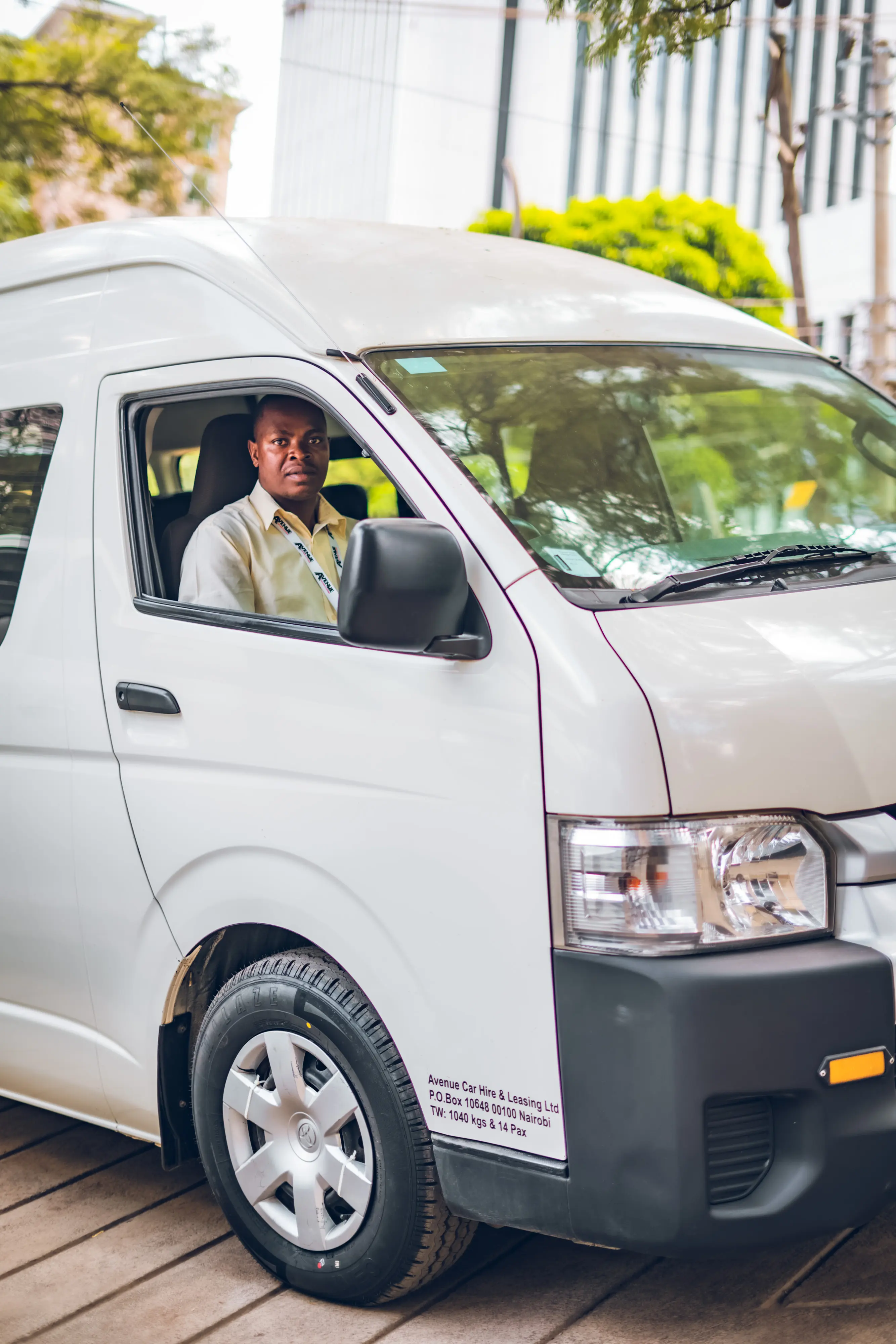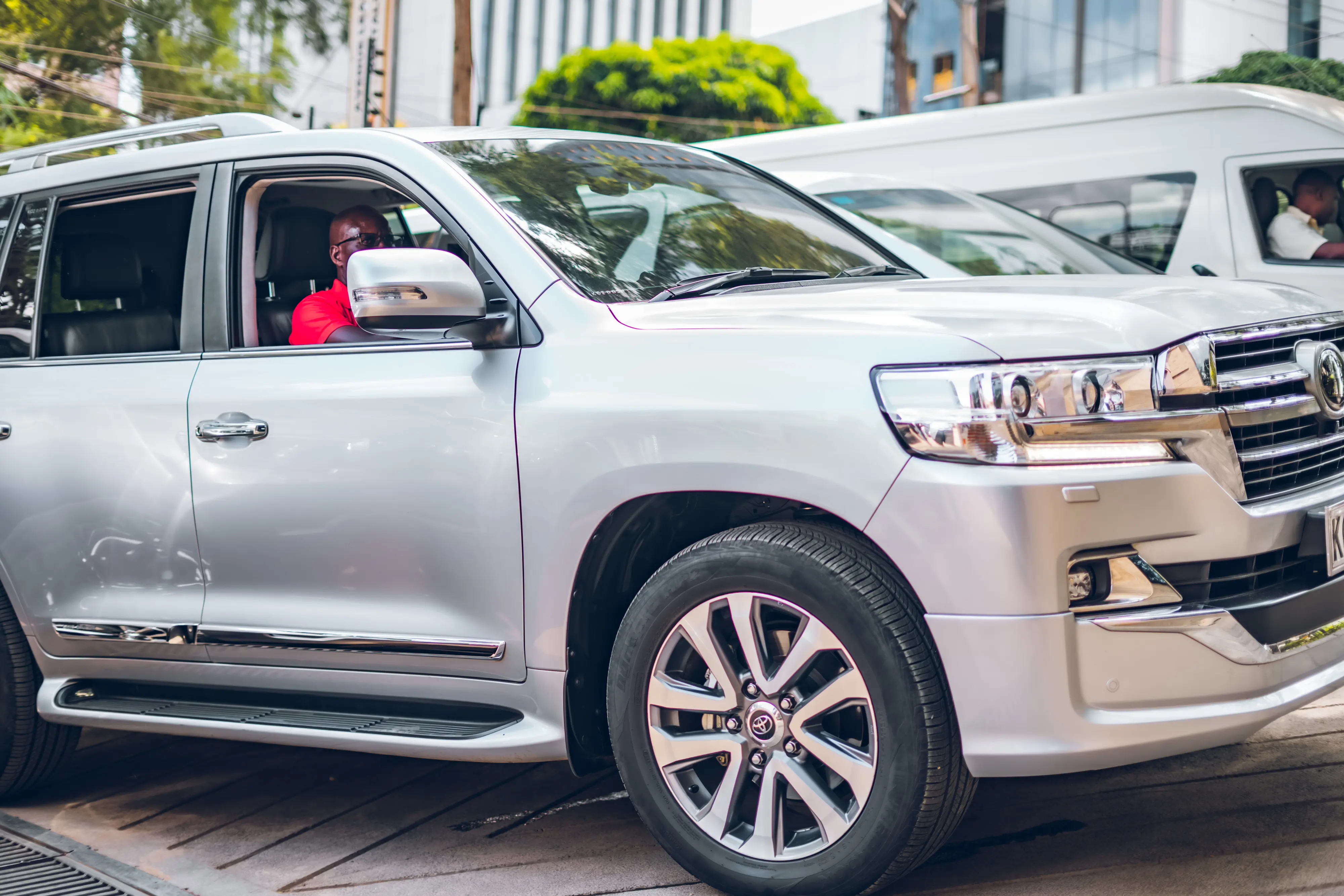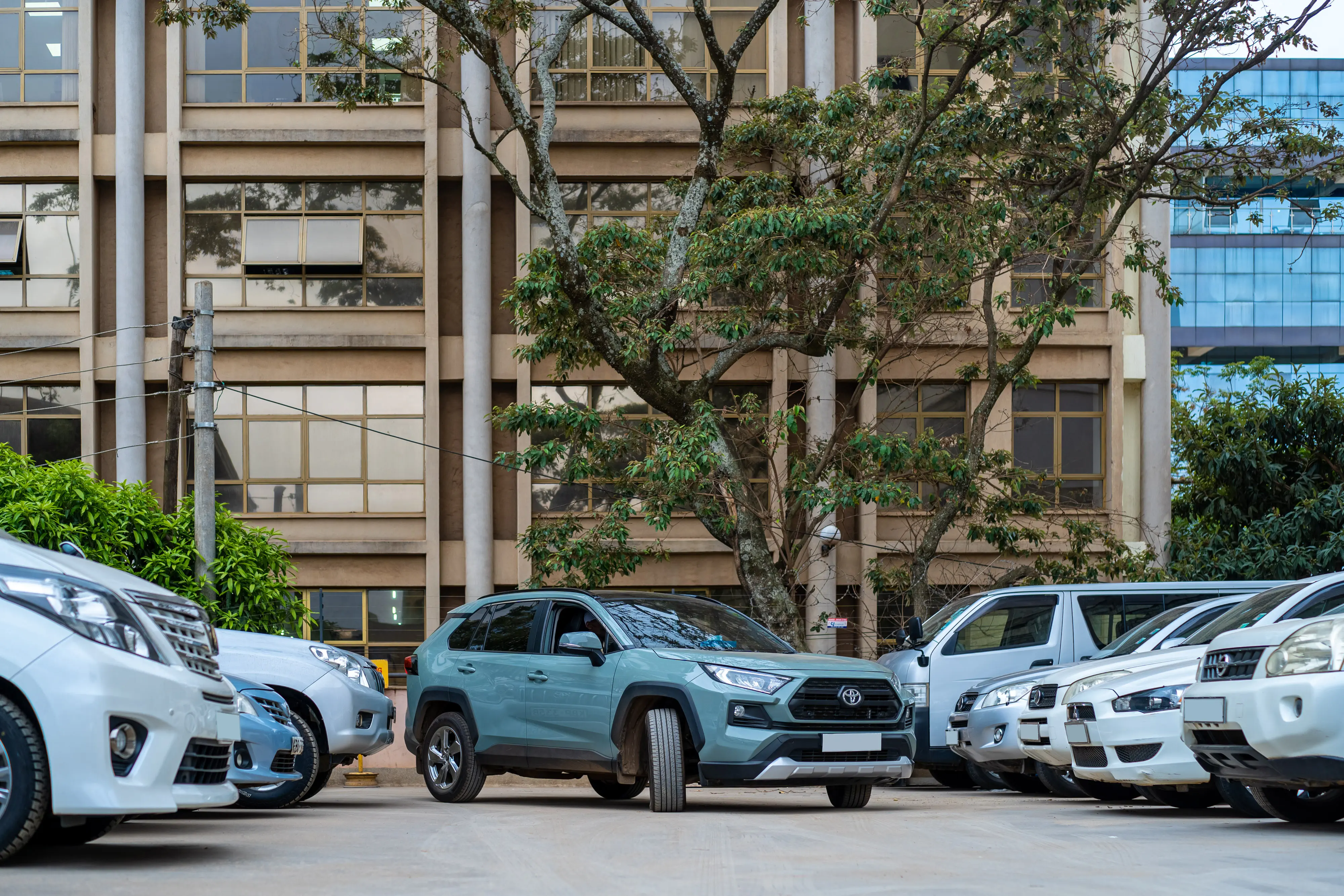

How to Choose the Right Company Car Hire in Nairobi

Company Car

Make Business Travel in Nairobi Smooth and Stress-Free

Choosing company car hire in Nairobi is not just about ticking a transport box. For corporates and expats working across Nairobi, Mombasa, and Nanyuki, the right mobility partner influences punctuality, comfort, safety, and even how your brand is perceived. A good provider keeps your teams moving smoothly, so they can focus on meetings and clients instead of traffic and logistics.

Business travel in Kenyan cities comes with specific challenges. Traffic can be intense at peak hours, routes may be unfamiliar, some roads outside city centres are rough, and there is constant pressure to keep to tight schedules. When people are flying in for a few days of high-value meetings, missed connections or unreliable vehicles can quickly derail plans. That is why company car hire in Nairobi should be seen as a strategic decision, not just a line item on the budget. In this article, we will share practical criteria you can apply as you plan for Q2, so you can choose car hire and leasing that deliver reliability, comfort, and value for your organisation.

Prioritising Safety, Reliability, and Compliance

For corporate and expat travel, safety and reliability come before everything else. A modern, well-maintained fleet reduces the risk of breakdowns, delays, and uncomfortable journeys in Nairobi traffic or on the road to places like Nanyuki. When you are assessing providers, ask how often vehicles are serviced, how old the cars are, and whether they can offer different categories such as saloons, SUVs, vans, and buses, depending on your needs.

Safety standards are equally important. That includes appropriate insurance cover, regular roadworthiness inspections, and safety features such as airbags and anti-lock braking systems. If you are booking chauffeur-driven vehicles, you will also want reassurance about driver vetting and training. Professional drivers should know local routes, follow safe driving practices, and understand how to support visiting executives who may be unfamiliar with Kenyan roads and traffic culture.

Licensing and compliance give you another layer of protection. Your car hire partner should be properly registered and compliant with Kenyan transport regulations, and they should be transparent about documentation for vehicles and drivers. For corporates and expats, this feeds into duty of care, risk management, and brand reputation. If a guest or senior manager is travelling with your chosen provider, you want full confidence that you have taken every reasonable step to keep them safe and compliant.

Matching the Fleet to Your Business Needs

Once safety is covered, the next step is to match the fleet to your typical trip profiles. Many organisations use company car hire in Nairobi for airport transfers, executive meetings, client visits, site inspections, and events. Others need regular movement between cities such as Nairobi and Mombasa, or trips to destinations like Nanyuki for projects, retreats, or site work. Each of these calls for different vehicle types and configurations.

Saloons are ideal for everyday city travel and airport transfers, especially when you want a balance of comfort and discretion. SUVs come into their own where you expect rougher roads, longer distances, or need extra ground clearance outside central Nairobi or Mombasa. Vans and buses work best for team transport, conference shuttles, or moving groups of visitors between hotels, offices, and venues in one coordinated run.

It also pays to think about duration. Some requirements are short-term, such as a week-long meeting series or a project sprint, while others are ongoing, such as long-term leasing for resident teams or expat staff based in Kenya. Q2 can bring its own spikes, with conferences, board visits, and relocation cycles. A provider with a diverse, scalable fleet, like Avenue Car Hire & Leasing, can support changing operational needs across Nairobi, Mombasa, Nanyuki, and surrounding areas without you having to juggle multiple suppliers.

To choose wisely, consider questions such as:

  • What proportion of your trips are within the city versus out-of-town travel?  
  • How often do you move groups instead of individuals?  
  • Do you host VIPs who require higher-end saloons or SUVs?  
  • Are your needs predictable, or do they change quickly from week to week?  

Drivers, Service Quality, and Corporate-Level Support

For many corporates, chauffeur-driven services are where the real value of company car hire in Nairobi becomes clear. Professional drivers with local knowledge can anticipate traffic patterns, choose better routes, and adjust plans quickly if a road is unexpectedly busy. Punctuality, courtesy, and discretion are especially important when transporting senior executives, clients, or other VIP guests.

Service culture should be a key selection criterion. Business travel arrangements often shift at short notice, so it helps to work with a provider that offers:

  • 24/7 or extended-hours support for schedule changes  
  • Clear and responsive communication channels  
  • Fast solutions if a vehicle issue arises mid-journey  
  • A practical approach to special requests, such as child seats or luggage requirements  

For ongoing corporate use, dedicated account management can make life much easier. This might include a specific contact person, consolidated invoicing across departments or locations, and reporting that helps you understand how your organisation is using car hire and leasing. Customised terms for regular company car hire in Nairobi can help standardise service levels for your staff and visitors.

Small touches also make a difference. For example, airport meet-and-greet helps new arrivals feel looked after from the first moment. Some businesses prefer branded vehicles for visibility, while others choose unbranded cars for discretion. In-car conveniences, such as charging options for devices, can help busy travellers stay productive between meetings. Expat visitors may also appreciate drivers who can give local tips, answer basic questions, and provide a sense of reassurance in an unfamiliar city.

Pricing Transparency, Contracts, and Hidden Costs

No procurement team wants surprises when the invoice arrives. Transparent pricing is essential, particularly when you are comparing multiple providers. Make sure you are clear on daily, weekly, and monthly rates, plus any differences between chauffeur-driven and self-drive options. Ask how fuel, tolls, and parking are handled so you know exactly which costs will appear on your final bill.

Contracts should spell out what is included, and what is not. Pay attention to:

  • Mileage limits and fees for extra kilometres  
  • Driver working hours and any overtime charges  
  • Maintenance responsibilities for long-term leasing  
  • Damage excesses and how minor incidents are handled  

Hidden costs can quickly make an initially low quote far less attractive. Additional driver fees, late return penalties, or high charges for minor damage can distort budgets and strain relationships. When you compare providers, try to standardise assumptions, such as similar vehicle types and usage patterns, so cost differences are fair and meaningful.

It is also helpful to think in terms of value rather than headline price. A reliable company car hire partner may prevent missed flights, reduce downtime, and cut the amount of staff time wasted on arranging last-minute transport. Over a full quarter, that can be worth far more than a small saving on daily rates.

Booking Smart for Q2 and Turning Travel Into an Advantage

Q2 often brings an uptick in business activity, from internal conferences and client events to new projects and expat relocations. That extra pressure can quickly stretch vehicle availability across Nairobi and other key cities if you leave arrangements too late. Planning ahead allows you to secure the right mix of saloons, SUVs, vans, and buses, with drivers scheduled around your specific programme.

Early reservations help ensure that preferred chauffeurs are allocated to your most sensitive assignments and that specialist needs are accounted for. Many providers, including Avenue Car Hire & Leasing, offer convenient online enquiry and quotation tools, so your team can move from initial request to confirmation without long email threads or delays. This is particularly helpful for travel coordinators managing multiple visiting groups in a short time frame.

You can also use data from previous quarters to improve your Q2 strategy. Review how many airport transfers you booked, how often you needed group transport versus individual cars, and where trips between cities were most common. From there, you can decide which needs are best served by short-term hire, which by long-term leasing, and where chauffeur-driven services provide the greatest productivity gains for your executives and guests.

Ultimately, company car hire in Nairobi should support your wider business objectives. By prioritising safety, choosing a fleet that fits your patterns of travel, insisting on professional drivers and strong service culture, and demanding clear, honest pricing, you can turn everyday journeys into a quiet advantage. Reliable transport helps your teams arrive prepared, your visitors feel valued, and your organisation operate more smoothly across Kenya, not just in Q2, but throughout the year.

Keep Your Team Moving With Reliable Corporate Car Hire

If you are ready to streamline staff travel and client visits, we can help you set up flexible, cost-effective solutions that fit your schedules and budgets. Explore our dedicated company car hire in Nairobi options to see how Avenue Car Hire & Leasing can support your day-to-day operations. To discuss tailored arrangements, preferred rates or long-term leasing, simply contact us and our team will guide you through the next steps.

Is Long-Term Car Hire in Nairobi Right for Visiting Professionals

Car Hire

Why Visiting Professionals Are Rethinking Transport in Nairobi

Securing reliable transport is one of the first practical decisions visiting professionals must make when arriving in Nairobi. Consultants, project teams, NGO staff, and expat managers often find that how they move between the office, client sites, and home can affect productivity, safety and even project outcomes. Nairobi is East Africa’s commercial hub, so schedules are tight, meetings are spread across the city, and travel delays quickly add up.

Many visitors start off relying on daily taxis or ride-hailing apps, or they try to share a company pool car. Others think about buying a vehicle if their assignment runs for a few months. Each of these options can work in certain situations, yet they all come with trade-offs in cost, flexibility, control and peace of mind. That is where long-term car hire begins to stand out.

Long-term car hire aims to sit between short, ad-hoc transport and the commitment of vehicle ownership. The real question becomes: at what point does long-term car hire stop being a luxury and become the smart, viable choice for professionals spending weeks or months in Nairobi?

How Long-Term Car Hire Actually Works in Nairobi

In the Kenyan context, long-term car hire usually means renting a vehicle for a period starting from about one month, with the option to keep it for several months if needed. It is designed for assignments that are too long for daily rentals but not long enough to justify buying or fully leasing a vehicle. At Avenue Car Hire & Leasing, we work with both individual professionals and corporate teams to align the duration with project timelines.

These agreements typically include comprehensive insurance, scheduled servicing and maintenance, and some form of roadside assistance. Many arrangements also include a defined mileage allowance or different mileage bands, with clear terms if you expect heavy daily use. In the event of a breakdown, providers will usually offer a replacement vehicle, so you are not left without transport while repairs are carried out.

Vehicle options matter, especially in a city where you might be in the CBD one day and on a rougher road out of town the next. Common choices include compact saloons for mostly urban work, SUVs for a mix of city and upcountry trips, executive cars for client-facing roles, and vans or larger vehicles when teams need to move together. For visiting professionals, there is often a choice between self-drive and chauffeur-driven hire, depending on confidence with local routes and driving styles.

Long-term car hire and leasing are related but slightly different. Leasing often refers to longer periods and may be structured more like a fixed corporate asset, while long-term hire is typically more flexible and project-oriented. Visiting professionals or their employers usually agree a monthly rate with a company like Avenue Car Hire & Leasing, define mileage expectations and decide whether a driver is included.

Comparing Long-Term Car Hire to Other Transport Options

Daily taxis and ride-hailing apps appeal for their simplicity, especially in the first few days. Over time, though, visiting professionals often notice that waiting for drivers, dealing with surge pricing and coping with last-minute cancellations can interrupt tight schedules. If you have early morning site visits, late client dinners or work in industrial areas, concerns around safety, reliability and driver familiarity with specific locations become more significant. With long-term car hire, you know the vehicle is available when you need it, and costs are more predictable.

Buying a car for a short assignment can look attractive at first, because you own an asset. However, once you factor in the upfront purchase price, registration, insurance, regular servicing and the uncertainty of resale at the end of your stay, the numbers can feel less appealing. Depreciation over a few months can be steep, and selling a vehicle from abroad or in the last busy weeks of an assignment adds unnecessary pressure.

Corporate pool cars and shared drivers are another common option. They work fairly well for routine office runs, but availability is often limited when several staff need vehicles at once. Fixed schedules and booking conflicts can lead to missed opportunities or rushed site visits. Having dedicated access to a long-term hired vehicle gives professionals more control over their time, especially when project work is dynamic.

Each option has its place. Short visits with light travel can be managed with taxis or ride-hailing. Very long postings might favour leasing or buying. For many visiting professionals on medium-term assignments, long-term car hire strikes the balance between flexibility, control and overall cost.

Cost, Contracts, and Hidden Factors Professionals Should Weigh

Understanding how pricing works helps you make a fair comparison. Long-term car hire is usually charged as a monthly rate that reflects the vehicle category and expected mileage. Fuel is typically your responsibility, which means your driving style, route choices and traffic conditions all influence total spend. There can be additional driver fees if you add more than one named driver, and optional extras such as child seats or in-car Wi-Fi may be available.

Contract flexibility is where long-term hire really serves project work. Assignments change, so it is important to know how easy it is to extend or shorten the hire period, or upgrade to another vehicle class if your needs shift. Some professionals start with a compact saloon, then move to an SUV once fieldwork increases or travel beyond Nairobi becomes more regular. It is wise to clarify policies around early termination or delays, so the agreement can move with your project rather than restrict it.

There are a few less obvious factors that visiting professionals sometimes overlook:

  • Traffic and fuel consumption, especially during peak hours  
  • Parking availability at offices, residences and client sites  
  • Security arrangements where the vehicle will be left for long periods  
  • Insurance excesses and what they cover in different scenarios  
  • How downtime is handled if a vehicle needs workshop attention  

When you compare long-term car hire with taxis, ride-hailing, or buying, try to calculate the total cost over a realistic period, such as three to twelve months. Include all direct and indirect costs: waiting time, missed meetings, resale uncertainty, and even the value of the peace of mind that comes from knowing transport is consistently available.

Practical Benefits for Expats and Corporate Project Teams

For expats and project teams, the most immediate benefit of long-term car hire is everyday convenience. Having the same vehicle available each morning simplifies planning, from airport runs and client meetings to evening returns to residential neighbourhoods. Travel times become more predictable when you are not waiting for a driver to accept a trip or locate your address.

Chauffeur-driven long-term car hire can add an extra layer of safety and local insight. A driver familiar with Nairobi knows which routes typically flow better at certain times, where to find safer parking and how to handle traffic hotspots calmly. This allows visiting professionals to focus on preparing for meetings, handling calls or simply taking a breather between appointments instead of concentrating on unfamiliar roads.

Perception also matters. Arriving in a clean, well-maintained vehicle that suits your corporate image helps set a professional tone with clients, partners and donors. Whether you need something understated for NGO fieldwork or a more executive car for high-level meetings, a varied fleet makes it easier to match transport to the situation.

Many assignments are not limited to Nairobi alone. Roadworthy SUVs and 4x4s are particularly useful for trips between Nairobi, Mombasa and Nanyuki, whether for project oversight, staff retreats or site inspections. As a provider with a presence in these locations, we see how important it is for visiting professionals to feel confident that they can travel between cities using vehicles that are suited to both highways and rougher access roads.

When Long-Term Car Hire Is the Right Choice in Nairobi

So when does long-term car hire become the clear choice? It generally makes sense when you are in Nairobi for several weeks or months, you have regular daily travel needs, or a project demands frequent site visits, airport runs and client meetings. Rotating project teams that share a vehicle over the life of an assignment, expat managers during probation periods and consultants running intensive fieldwork often find that long-term hire gives them the right mix of cost control and flexibility.

A simple decision checklist can help you decide:

  • How long will you or your team be based in Nairobi?  
  • How many days per week will you be on the road?  
  • Do you need predictable monthly transport costs?  
  • What are your safety expectations, especially after dark?  
  • Do you require specific vehicle types for image, terrain or capacity?  

If the answers point to regular movement across the city or between cities over several months, long-term car hire is usually worth serious consideration. With a large, varied fleet and support in Nairobi, Mombasa and Nanyuki, Avenue Car Hire & Leasing is well placed to help visiting professionals structure transport arrangements that keep projects running smoothly from the first day on the ground.

Secure Flexible Long-Term Car Hire For Your Business

If you are looking for a cost-effective way to keep your team on the road, our long-term car hire solutions are tailored to fit your operational needs. At Avenue Car Hire & Leasing, we work with you to select the right vehicles, terms and mileage so you only pay for what you actually use. Speak to our team today to discuss your requirements or request a tailored quote via contact us.

Why Hiring a Prado in Nairobi Elevates Short Executive Visits

prado.webp

Arrive Ready to Lead: Why Your Vehicle Choice Matters

Executives flying into Nairobi for a few intense days of meetings do not have time to waste. Flights, jet lag, back-to-back appointments, and cross-town travel quickly eat into already tight schedules. The vehicle that carries you between the airport, office, hotel, and client sites is not just a ride; it is part of your working day and can either support your focus or drain your energy.

Nairobi’s traffic can be heavy, routes are unfamiliar to many visitors, and meetings often take place in different neighbourhoods, from the CBD to Westlands, Upper Hill, Karen, or industrial areas. Road conditions vary, and security awareness is an everyday consideration. In this context, your choice of car matters more than in many other cities. At Avenue Car Hire & Leasing, we see the Toyota Prado as the executive standard for short visits, giving visiting leaders a comfortable, credible, and capable base on wheels. Our company car hire in Nairobi is designed with corporates and expats in mind, whether you prefer chauffeur-driven or self-drive.

Executive Comfort and Image in a Toyota Prado

When you step out of a long meeting and know you have another one across town, comfort stops being a luxury and becomes essential. The Prado’s interior offers generous legroom and headroom, so you can stretch out rather than sit hunched in the back. Supportive seating and a quiet cabin help you reset between appointments, while effective climate control is especially valuable in Nairobi’s warm conditions, keeping you fresh instead of arriving at your next meeting overheated and tired.

For senior visitors, image is part of the message. Arriving at corporate offices, hotels, embassies, or diplomatic venues in a Prado signals that you take your visit seriously and respect local business culture. It strikes the right balance, professional and successful without being flashy. Security staff and reception teams across Nairobi are familiar with the vehicle, which often helps your arrival feel smooth and orderly.

  • A Prado works as a practical mobile workspace, with space to open a laptop and comfortable seating for quick calls between meetings.
  • It has room for colleagues or a PA, and lets you carry presentation materials, samples, and travel bags without cluttering the cabin.
  • When hosting local partners or clients, a clean, well-presented (especially chauffeur-driven) Prado signals professionalism, comfort, and safety.

Built for Nairobi Roads, Traffic, and Unplanned Detours

Nairobi’s road network is improving, but it still presents varied conditions in a single day’s schedule. You may leave a modern hotel, travel on major highways or new expressways, then turn into business parks or residential streets with uneven surfaces and potholes. When rain falls, some access roads can quickly become muddy or rutted, especially on the outskirts or around construction zones.

The Prado is well known in Kenya for dealing comfortably with this mix. Its generous ground clearance helps you clear speed bumps and rough stretches without scraping or slowing to a crawl. The suspension is tuned to smooth out bumps and ruts, which means less jarring in the cabin and a more composed ride when you are trying to prepare mentally for the next discussion. Whether your meetings are in the CBD, Westlands, Karen, or export and industrial hubs, the Prado is at home on those routes.

Safety and reliability are just as important as comfort. A vehicle with a solid structure, modern safety features, and good road manners in wet or loose conditions helps reduce risk during a packed visit. A sudden afternoon shower or a diversion through an unpaved access road should not throw your day off course. When your Prado comes from a reputable company car hire in Nairobi provider that keeps its fleet in good condition, you lower the chance of inconvenient breakdowns, lost time, or missed appointments.

In short, the Prado is aligned with how Nairobi actually feels to travel in, not just how it appears on a map. It lets you focus on agenda items, not on every bump in the tarmac.

Chauffeur-Driven vs. Self-Drive: Choosing the Right Setup

One of the first questions visiting executives ask is whether to opt for chauffeur-driven or self-drive. Each option suits a different style of working, and both can be supported through professional company car hire in Nairobi.

A chauffeur-driven Prado is often the most productive choice for short, intensive trips. An experienced local driver knows typical traffic patterns, common bottlenecks, and sensible alternatives when a main route slows down. That knowledge can save valuable minutes between meetings. With someone else focused on the road and security, you can answer emails, prepare notes, or debrief with colleagues, turning transfer time into working time.

Self-drive can be attractive for expats who already know the city or who value greater privacy. Having the keys yourself gives flexibility for personal errands, gym visits, or spontaneous dinners after business hours. It also works well if you plan to combine Nairobi workdays with weekend trips out of town, for example to visit friends or explore nearby areas during your stay.

Security, parking, and finding your way in new districts are common concerns. A professional chauffeur from Avenue Car Hire & Leasing absorbs much of this mental load, especially for first-time visitors or senior leaders whose schedules are already demanding. For corporates, it can be helpful to standardise a policy for visiting executives, using company car hire in Nairobi to provide a consistent mix of chauffeur-driven and self-drive options depending on role, familiarity with Kenya, and the intensity of the visit.

Flexible Short-Term Leasing for Corporate and Expat Needs

Not every assignment justifies a full long-term lease, yet airport shuttles and ad hoc taxis rarely match executive expectations. Short-term Prado hire creates a middle ground that fits one-off executive trips, regional project work, or interim postings where reliable transport is essential but time-limited.

We work with corporates and expats to shape packages around real itineraries. That might mean daily or weekly hire for a quick series of board meetings, or monthly arrangements for project teams rotating through Nairobi. Many visitors appreciate having the same standard of vehicle available across different Kenyan locations, such as Nairobi, Mombasa, and Nanyuki, so their experience remains consistent even as their work shifts between cities.

Corporate accounts bring additional convenience. Centralised arrangements make it easier for HR, travel managers, or office administrators to request vehicles, confirm specifications, and align car hire with flight bookings and meeting calendars. It also helps ensure that every visiting executive receives a similar level of comfort and reliability, instead of leaving transport to last-minute improvisation.

Short-term arrangements can be scaled as your needs change. When you have several executives on site for a major negotiation or site visit, you can request multiple Prados, then reduce numbers when things quieten down. This flexibility keeps your transport aligned with actual demand rather than locking you into rigid long-term commitments.

Turn Your Next Nairobi Visit Into a Smooth, Productive Trip

For corporate leaders and expats, a Prado hired in Nairobi brings together comfort, status, safety, and day-to-day practicality. It lets you arrive at each meeting ready to perform, presents the right image to partners and clients, and copes easily with the city’s varied roads and traffic conditions.

Many organisations still rely on a mix of hotel cars, ride-hailing, and pool vehicles for visiting executives. While this can work in theory, it often leads to inconsistent experiences, delays, and unnecessary stress. By planning ahead and aligning your vehicle choice with your meeting schedule, you can turn travel time into an extension of your working day instead of a source of frustration.

Coordinating a Prado booking with your flight into Jomo Kenyatta International Airport or Wilson Airport, and your key visits around the city, helps your trip feel seamless from arrival to departure. As Avenue Car Hire & Leasing, we focus on supporting corporates and expats with company car hire in Nairobi that feels like an integral part of your executive toolkit, not an afterthought.

Secure Reliable Corporate Transport For Your Team Today

If you are ready to streamline staff travel and client transfers, we can tailor a flexible solution that fits your schedule and budget. Explore our company car hire in Nairobi options and let Avenue Car Hire & Leasing handle the logistics while you focus on your core business. To discuss a bespoke package or get a quick quotation, simply contact us and our team will respond promptly.

How Expat Project Teams Rely on Self-Drive Hire in Kenya

self drive

Why Expat Project Teams Choose Wheels First

Expat-led project teams arriving in Kenya rarely have the luxury of a slow start. There are tight timelines, multiple stakeholders to meet and sites to visit in Nairobi, Mombasa, Nanyuki and often much further afield. If people cannot move freely, the project stalls, no matter how strong the strategy looks on paper.

That is why we see more project leaders treating mobility planning as seriously as office space, accommodation and connectivity. Getting the right vehicles in place early means your experts, managers and support staff are not waiting around for transport or stuck juggling unreliable options. Self-drive car hire gives you that early mobility without committing to owning a fleet before the project has properly taken shape.

Instead of investing large capital in vehicles that might not suit later phases, self-drive car hire gives corporates and expatriates in Kenya flexible, cost-aware access to the right cars from day one. At Avenue Car Hire & Leasing, we focus on supporting those teams with short- and long-term solutions, including both self-drive and chauffeur-driven options, so that wheels are never the delay.

Mobility Challenges When Launching Projects in Kenya

When a project team first lands, even routine journeys can feel complicated. Road layouts are unfamiliar, peak traffic patterns catch people off guard and routes between neighbourhoods can be longer than they appear on a map. Public transport is not always practical for corporate schedules, and outside the biggest cities, taxis and app-based services can be patchy or simply not available when you need them.

Inside the organisation, there are constraints to consider. Travel policies often require transparent, predictable costs, and HR and safety teams have duty-of-care obligations to anyone posted abroad. Multiple staff may be arriving over several weeks, all needing a clear plan for how they will get from the airport to temporary housing, to client sites, and eventually to regional locations.

Kenya’s regions each have their own driving realities. Nairobi city traffic is very different from the coastal routes around Mombasa or the roads heading towards Nanyuki and northern areas. Seasonal rains can affect surfaces and travel times, and some locations are better served by higher-clearance vehicles or 4x4s, especially if you are visiting project sites outside town centres.

Taken together, these factors make an organised, professional car solution essential from the first day of the project. Relying on ad-hoc taxis or staff sorting themselves out leads to delays, confusion and avoidable risk. A planned self-drive car hire approach, supported by a specialist provider, gives structure where you need it most.

How Self-Drive Car Hire Powers Fast, Flexible Startups

For corporate and expat users, self-drive car hire simply means well-maintained, fully insured vehicles that are ready for business use, without the responsibility of owning them. You have access to cars that are already set up for corporate work, such as reliable air conditioning, comfortable seating for colleagues or clients and the paperwork arranged from the outset.

Many teams use short and medium-term self-drive options to cover the intense kick-off phase of a project. In those early weeks, there are site assessments, supplier meetings and stakeholder engagements across different parts of Nairobi, trips down to Mombasa, or visits to Nanyuki and other regional towns. Self-drive car hire bridges the gap before long-term leases or purchases are finalised, so progress is not tied to long procurement cycles.

The operational benefits are straightforward and powerful. Staff can drive themselves on their own schedules instead of waiting for drivers to become free. Departments can share pool cars for fieldwork, finance visits or HR support, and the number of vehicles can flex as headcount changes. As project scopes get clearer, you can scale the fleet up for rollout or down when certain tasks are complete.

A provider like Avenue Car Hire & Leasing can add practical touches that make a big difference. Typical value-adds include:

  • Airport pick-up that transitions into self-drive handover  
  • Options for multiple named drivers on the same vehicle  
  • Different mileage packages to suit city-only or regional use  
  • Quick vehicle swaps if project requirements change

All of this keeps your team focused on delivery rather than transport logistics.

Choosing the Right Vehicles for Project Fieldwork

Not every project needs a 4×4, and not every assignment suits a small saloon. The type of work you are delivering will shape the ideal self-drive car hire mix. City-based consulting or financial services projects might be best served by compact saloons that are easy to park, comfortable in traffic and economical on fuel. Infrastructure, energy or NGO fieldwork across mixed terrain will often require SUVs or 4x4s, and some teams benefit from vans or pickups for light logistics and equipment.

Matching vehicles to Kenyan driving realities is central. Higher ground clearance can be important when you are heading out of town or dealing with roads that are not always smooth. Fuel efficiency matters when staff are driving regularly between Nairobi, Mombasa and Nanyuki, as costs can add up quickly. For longer journeys, comfort, air conditioning and reliable suspension directly affect how fresh your people feel when they arrive on site.

Risk and safety are non-negotiable for corporate and expat teams. Working with maintained vehicles, clear servicing schedules and modern safety features helps your organisation meet duty-of-care standards. Around-the-clock support and defined breakdown or incident procedures are also vital, especially when staff are new to local conditions.

An experienced provider can advise on tailored self-drive car hire packages that line up with your route plans, expected occupancy per vehicle and company travel policies. That guidance can save you from over-specifying or under-specifying the fleet.

Balancing Self-Drive and Chauffeur-Driven Options

Self-drive is not an all-or-nothing decision. Many expat project teams find they get the best results from a blend of self-drive and chauffeur-driven services. Staff often prefer self-drive for day-to-day commuting, routine site visits and flexible workdays where plans may change at short notice.

There are times when a chauffeur-driven vehicle makes more sense. VIP visitors, late-night arrivals after long flights, or meetings in unfamiliar or high-traffic areas can be smoother with a professional driver who knows the routes and timing. That allows managers or consultants to work in the back seat, handle calls or prepare for presentations instead of focussing on traffic.

It is also about comfort and individual preference. Some team members quickly feel confident driving in Nairobi, Mombasa or Nanyuki, while others stay more productive when someone else is at the wheel. A blended approach, with both options coming from the same provider, keeps things simple for project coordinators, finance and headquarters reporting.

Practical Steps for Setting up Project-Ready Self-Drive

Putting a solid plan in place before the first suitcase is packed helps everything run more smoothly. A straightforward checklist might include:

  • Confirm key project locations and expected timelines  
  • Estimate staff numbers and roles at each phase  
  • Map out typical routes and journey frequencies  
  • Agree a clear internal vehicle and fuel policy before arrival  

From there, onboarding with a company like Avenue Car Hire & Leasing can be structured and efficient. Vehicles can be pre-booked according to your initial forecast, with airport transfers arranged for the first arrivals. Corporate accounts and central billing reduce the admin load on individuals, and authorised drivers can be added to specific vehicles in line with company approval processes.

Documentation and compliance need attention too. Drivers will need valid licences that are acceptable in Kenya, and the correct insurance cover must be in place. It is also wise to schedule driver briefings and local safety orientations, covering topics such as speed limits, common traffic rules, parking norms and what to do in the event of an incident or breakdown.

To get the best value from self-drive car hire, we often suggest simple practical measures:

  • Use shared calendars or booking tools for pool vehicles  
  • Track fuel spend in a consistent way across the team  
  • Review vehicle usage every few weeks and adjust the fleet size  
  • Match specific cars to specific routes to keep costs predictable  

By treating mobility as a planned workstream, rather than a last-minute task, expat project teams can turn transport from a headache into a quiet advantage.

Turn Early Mobility Into a Competitive Advantage

When teams land in Kenya with reliable self-drive car hire already arranged, the difference is visible in the first week. Site visits happen on time, early decisions are based on real-world observations instead of assumptions, and consultants and managers keep control of their diaries and their budgets. Mobility stops being a source of delay and becomes a tool that supports delivery.

For project leaders and corporate travel managers, the key is to treat mobility planning as part of project strategy from the outset. By choosing adaptable self-drive options, supported by chauffeur-driven services where they add value, expat project teams working in Nairobi, Mombasa, Nanyuki and across Kenya can move quickly, safely and with confidence as their projects grow.

Secure Flexible Transport For Your Business Today

If you need reliable vehicles without the long-term commitment, our self-drive car hire solutions give your team the flexibility to work on their schedule. At Avenue Car Hire & Leasing, we tailor terms, mileage and vehicle options so you only pay for what your business genuinely uses. Speak to our team to discuss your requirements and we will recommend the most efficient set-up for your fleet. To arrange a quote or ask a question, simply contact us.

Planning Long-Term Car Hire in Nanyuki for Productive Teams

Car Hire

Why Nanyuki Works so Well for Long-Term Team Assignments

Long-term projects in Nanyuki need reliable, organised transport if they are going to run smoothly. Whether you are supporting conservation work, an infrastructure build, an NGO programme or visiting executives, getting people and equipment where they need to be affects both productivity and staff morale.

Nanyuki has grown into a strategic base for operations across Laikipia, Mount Kenya, Isiolo and further along the northern corridor. Many organisations set up there because it offers good amenities while staying close to ranches, conservancies, farms and remote project sites. In this context, long-term car hire in Nanyuki often makes far more sense than buying vehicles for a temporary or evolving assignment. Leasing keeps your capital free for core project work, gives you flexibility when staffing levels change, and shifts the weight of maintenance, insurance and compliance onto a specialist provider.

At Avenue Car Hire & Leasing, we support corporates, expat teams and local staff working in Nanyuki, as well as those shuttling between there, Nairobi and Mombasa. We focus on long-term solutions that can adapt to rotating crews, visiting consultants, field teams and seasonal peaks without constant renegotiation or last-minute scrambles for vehicles.

Defining Your Team’s Long-Term Mobility Needs

Before comparing prices, it helps to be very clear about who needs to move, when and how. Most projects in Nanyuki involve different groups with different patterns of travel, for example managers, technical specialists, field staff, visiting expats and local support teams. Some will only need town runs, others will be spending long days on rough roads.

You may choose a mix of self-drive and chauffeured vehicles. Self-drive can work well for resident staff who know the area and are comfortable on Kenyan roads. Professional drivers are often better for expats, visiting executives and anyone doing long or unfamiliar routes, or where your team needs to work on laptops or calls while on the move.

Try to map out your typical journeys and their intensity. Think about:

  • Daily commutes within Nanyuki town and its outskirts  
  • Regular trips to ranches, farms and conservancies on rougher roads  
  • Shuttles between Nanyuki, Nairobi, Isiolo and other regional hubs  
  • Occasional airport transfers for staff rotations and visiting partners  
  • Night or early-morning shifts that need reliable group transport  

Once you have a rough picture, you can start to decide how many vehicles you need, what mix of SUVs, saloons, vans or 4x4s is appropriate, and whether you need more passenger capacity or more cargo space. Fuel preferences may also come into play, depending on your organisation’s policies. Many teams also find it helpful to centralise all transport requests through one coordinator, so there is a clear overview of vehicle allocation, duty rosters and any issues that come up.

Choosing the Right Vehicles for Nanyuki Conditions

Local conditions around Nanyuki have a big impact on the type of vehicles that will actually work for your team. Town roads and the main highway might be smooth enough for standard cars, but many ranches, construction sites and conservation areas are accessed via rough, unpaved or muddy tracks, especially during rainy spells. Higher-altitude and dust can also be hard on engines and suspension if vehicles are not maintained properly.

It usually makes sense to build a small mixed fleet rather than rely on one generic vehicle category. For example, compact cars are helpful for quick errands and in-town meetings, where parking is tight and fuel efficiency matters. Comfortable saloons suit managers and visitors who mainly travel on tarmac and value a quiet, air-conditioned ride for calls and laptop work. 4x4s become essential for field teams, site inspections and gear-heavy assignments off the main roads. People-carriers or vans are useful for shift changes, group transfers and airport runs where you want to move several people at once without sending multiple cars.

When you are planning long-term car hire in Nanyuki, it is worth thinking beyond simple capacity. Safety and comfort affect productivity and staff wellbeing, especially on longer routes. You will want:

  • Vehicles with enough seats and luggage space for your typical loads  
  • Working seatbelts for every passenger  
  • Reliable air-conditioning for dusty or very sunny days  
  • Clean interiors that still feel presentable for partner or client visits  

A well-maintained, modern-looking fleet also reflects positively on your organisation. When you arrive at meetings with partners, communities or government officials, the condition of your vehicles quietly signals how organised and professional your operation is.

Budgeting and Contracts for Long-Term Car Hire in Nanyuki

Once you know roughly what you need, the next step is to structure your budget and contract so that there are no surprises a few months into the assignment. Long-term car hire in Nanyuki generally involves several cost components: the monthly hire rate per vehicle, fuel arrangements, professional driver costs if you are not using self-drive, insurance and any agreed allowances for overtime, night work or out-of-town and off-road travel.

Long-term leasing usually works out better than making frequent short bookings. A longer commitment often means more favourable monthly rates, and maintenance can be built into the agreement so you are not organising repairs or servicing yourself. Having a fixed fleet on contract also reduces the administrative load on your team, because you are not constantly sourcing vehicles for individual trips or dealing with multiple suppliers.

When you review a proposed contract, pay close attention to:

  • Service levels, including response times when you need help  
  • Guarantees for replacement vehicles during servicing or breakdowns  
  • Planned maintenance schedules and how they affect availability  
  • Mileage expectations and any charges for unusually high usage  
  • Clear procedures for accidents, breakdowns and incident reporting  
  • Transparent billing, with regular summaries for your finance or HR teams  

Getting these points agreed early keeps things smoother later, especially on longer projects where staff may change and new managers inherit the transport plan.

Safety, Compliance and Managing a Team Transport Plan

Transport for staff and expat teams is more than getting from A to B; it is a safety and duty-of-care issue. Vetted professional drivers, regular servicing and comprehensive insurance provide an important safety net, particularly on longer or more remote routes. Vehicles should have working seatbelts, good tyres, reliable brakes and functioning lights, and any safety concerns raised by staff should be logged and addressed quickly.

On the management side, it helps to treat transport as a shared resource rather than a free-for-all. Many teams benefit from:

  • A central point of contact for all vehicle bookings  
  • Shared schedules or calendars showing who is using what and when  
  • Simple check-in and check-out procedures, including basic condition checks  
  • Trip logs so you can track usage by department, site or project code  

Compliance and local knowledge also matter. Kenyan traffic regulations, speed limits and licensing requirements apply equally to visitors and locals, and there may be additional rules for park or conservancy access. Some routes can have security considerations at certain times, and weather can make particular roads difficult. Drivers who know Nanyuki and its surroundings can advise on safer routes, realistic travel times, and alternative roads when there are delays or closures.

How Avenue Car Hire Simplifies Team Mobility in Nanyuki

At Avenue Car Hire & Leasing, we focus on making long-term car hire in Nanyuki straightforward for organisations that need reliable, flexible transport. With operations in Nairobi, Mombasa and Nanyuki, we are used to supporting teams that move between different Kenyan cities and field locations, sometimes at short notice.

We work with corporates, NGOs and project teams to match vehicle choices and driver support to the realities of their assignments, whether that means a handful of 4x4s for field staff, a mix of saloons and vans for regular shuttles, or a larger fleet that can scale up or down as project phases change. Our aim is to keep your people moving safely and on time, while you stay focused on delivering your work on the ground in and around Nanyuki.

Secure Reliable Transport For Your Nanyuki Stay Today

If you are planning an extended stay or managing a project in the region, our long-term car hire in Nanyuki gives you the flexibility and cost control you need. At Avenue Car Hire & Leasing, we tailor vehicle options, mileage and duration to suit your schedule and budget. Tell us a few details about your requirements and we will recommend the most practical solution. If you are ready to arrange your vehicle or have specific questions, simply contact us and we will be happy to assist.

Everything to Know About Car Hire in Nanyuki for NGO Projects

NGO Projects

Why Nanyuki Matters for NGO Operations in Kenya

Car hire in Nanyuki is not a nice-to-have extra for NGO teams; it often determines whether a project runs smoothly or constantly hits delays. Nanyuki sits on the edge of the Mount Kenya region and opens the door to Laikipia, Samburu and Isiolo, as well as smaller, harder-to-reach communities. For organisations working in health, conservation, livelihoods, education or emergency response, this is a natural staging point.

From Nanyuki, field teams can reach ranches, conservancies and semi-arid communities where public transport is patchy or non-existent. Reliable vehicles are essential for monitoring and evaluation visits, mass community outreach, supply drops, mobile clinics and donor field trips. Professional car hire in Nanyuki connects your urban base, often in Nairobi or Nanyuki town, to those scattered project sites while keeping costs, risk and admin under control.

Understanding Your Transport Needs as an NGO

Before choosing vehicles, it helps to be clear about exactly what you need them to do. Short missions with a few staff visiting partners for a week look very different from a multi-month programme with daily field movement. You might plan occasional visits for donors and high-level delegations, or regular trips by technical teams who must move equipment such as medical supplies, survey tools or IT hardware.

Think through both passengers and cargo. How many people typically travel together? Do you need extra space for toolkits, medical cool boxes, training materials or tents? Are there accessibility needs for staff or beneficiaries? Some NGOs also prefer their vehicles to be visible in the field, so they may request discreet branding options or space for magnetic logos and flags.

Once you have that picture, it is easier to match your operational plan to the right vehicle mix. For example, 4x4s are often the safest option for rough rural roads and conservancy tracks, while vans or shuttles are efficient for moving larger teams between town and project offices. Smaller saloon cars can cover town runs, supply shopping or airport transfers. You will also need to decide whether self-drive is appropriate, or whether a chauffeured or fully staffed vehicle, with a professional driver and possibly a field support person, better fits your risk and duty-of-care standards.

Vehicle Types and Configurations That Work in Nanyuki

Around Nanyuki and Laikipia, road conditions can change quickly with the rains, and dirt roads can become rutted and slippery. This is why certain vehicle categories tend to work best for NGO use:

  • 4×4 Toyota Land Cruisers and double cabs for remote sites, rough tracks and conservation areas  
  • SUVs for mixed town and field work where some off-road capability is needed  
  • Tour vans for groups, donor delegations and learning visits to field locations  
  • Staff shuttles and minibuses to move teams on regular routes  
  • Saloon cars and small pickups for town errands, lighter loads and office transfers  

Terrain and weather matter. Travel to conservancies or community projects often involves driving on unpaved roads, with wildlife crossings and occasional night driving through checkpoints. Vehicle choice should reflect this reality, not only comfort on tarmac. Around Nanyuki, altitude and dust can also affect engines and filters, so well-maintained vehicles make a real difference to reliability.

When comparing options, NGOs should pay attention to key specifications such as ground clearance, fuel type and fuel efficiency, plus safety features like airbags and ABS. For some routes, rollover protection, radios or GPS tracking may be valuable. Roof racks, lockable canopies, extra fuel jerrycans and water storage can be important for multi-day trips or very remote visits where resupply points are limited.

Choosing a Reliable Car Hire Partner for NGO Work

Not every car hire provider is set up for NGO operations. An NGO-friendly partner will understand framework agreements, procurement processes and donor compliance requirements. They are used to duty-of-care expectations, security approvals and the level of documentation that finance and HQ teams ask for. This means fewer surprises when audits arrive or when board members query transport spending.

There are several service elements that matter more for NGO work than for typical leisure car hire:

  • 24/7 support and a clear contact person for incidents on the road  
  • Backup vehicles ready if a car develops a fault in the field  
  • Maintenance tracking and preventative servicing to reduce breakdown risk  
  • Replacement arrangements and recovery assistance in case of accidents  
  • Transparent, written incident reporting procedures for insurance and donor files  

At Avenue Car Hire & Leasing, we support NGO and corporate clients with a large, well-maintained fleet and experienced drivers in hubs such as Nairobi, Nanyuki and Mombasa, as well as services across Kenya. Our contracts can be structured for short assignments or long-term leasing, and we are used to working with organisations that run complex field programmes, have security protocols and need predictable, documented transport.

Budgeting, Compliance and Safety in the Field

Getting car hire in Nanyuki right also depends on understanding how pricing works and aligning this with your internal rules. Common structures include daily hire with set mileage limits, all-inclusive rates for fully staffed vehicles, and discounted rates for longer-term leasing. Some arrangements separate vehicle and fuel costs, while others combine everything into a daily package. Clarity on this at the start helps avoid disputes about over-mileage or fuel reconciliation.

NGOs usually have strict documentation and compliance requirements. You will want to know what insurance cover is included, what excess applies, and whether drivers meet your qualification standards. Many organisations require trip authorisations, vehicle logbooks that record kilometres and destinations, and clear invoices that link to project codes or cost centres. A good car hire partner will work with your finance and procurement teams so that reporting is straightforward.

Safety and security are just as important as budget. For many NGOs, this includes journey management plans for longer trips, agreed check-in protocols, and drivers who have basic first aid and simple mechanical awareness. Risk assessments for remote routes, rain-affected roads and night travel should influence whether journeys are approved and which vehicle types are used. Clear rules on speed, seatbelts and passenger limits go a long way in reducing incidents.

Practical Tips for Smooth NGO Transport Planning

Transport problems rarely appear out of nowhere; they usually start with weak planning. To make car hire in Nanyuki work for your programme, it helps to think a few steps ahead.

Good practices include:

  • Booking early for high-demand periods such as school holidays or major events  
  • Aligning vehicle reservations with your fieldwork calendar and work plans  
  • Allowing time for internal approvals, security reviews and paperwork  
  • Grouping trips where possible so that vehicles are used efficiently  
  • Agreeing in advance who authorises extra days, routes or night driving  

Operationally, many NGOs find it useful to centralise transport coordination or at least have a clear focal person per project. Shared vehicle pools can reduce idle time, but then you need simple rules of use and a fair booking system. Monitoring utilisation, kilometres and fuel helps to spot patterns, like vehicles constantly underused or being diverted to non-project activities.

Working with a partner such as Avenue Car Hire & Leasing in Nanyuki and Nairobi can also reduce administrative strain. Consolidated invoicing across multiple field trips, simple reporting that links journeys to project codes, and dedicated account management all help your teams spend less time on transport paperwork and more time on programme delivery.

Putting a Strong Transport Plan Behind Your Nanyuki Mission

Car hire in Nanyuki is ultimately about reach, safety and credibility. The right transport set-up allows your teams to access remote sites consistently, meet communities on time, protect staff and assets, and demonstrate to donors that resources are being used responsibly. When vehicles are reliable and well matched to your routes, your programme work becomes more predictable and less stressful.

It is worth taking a moment to review how you currently manage transport around Nanyuki and Laikipia. Are your vehicles appropriate for the terrain? Are journeys clearly planned? Are costs and risks under control? By working with a specialist provider such as Avenue Car Hire & Leasing and by planning transport as carefully as your field activities, you put a strong, practical backbone behind every mission that starts in Nanyuki.

Secure Reliable Transport For Your Next Nanyuki Trip

Whether you are planning a corporate visit or a private getaway, our tailored car hire in Nanyuki solutions make your journey smoother and more efficient. At Avenue Car Hire & Leasing, we match you with well-maintained vehicles and flexible terms that suit your schedule and budget. Speak to our team today via contact us to arrange your booking and make your travel plans straightforward from the start.

How Monthly Business Needs Shape Company Car Hire in Nairobi

Car Hire

Why Monthly Business Use Is Changing Company Car Hire

Company car hire in Nairobi is no longer just about having a vehicle available when someone shouts for a driver at reception. It is increasingly about matching transport to clear monthly patterns of business activity. When teams in Upper Hill, Westlands, Karen or the industrial areas move in predictable cycles, from regular client visits to airport shuttles, the smartest option is to plan vehicles around those rhythms.

Across the city, from corporate headquarters to regional NGOs and fast-growing SMEs, we see the same pressure: control costs, stay reliable, and keep people moving without tying up capital in fleets that sit idle half the time. As a result, predictable monthly use is quietly reshaping how decision-makers think about company car hire in Nairobi. At Avenue Car Hire & Leasing, we work with organisations in Nairobi, Mombasa and Nanyuki that are making this shift, building transport strategies around clear monthly demand rather than ad-hoc trips.

Mapping Your Monthly Usage: The Starting Point

The most effective company car arrangements start with a simple question: what do you actually do each month? Before choosing saloons, SUVs or vans, it helps to map your typical transport patterns, week by week and route by route. This is less about detailed spreadsheets and more about getting a realistic picture of how your people and goods move.

A useful first step is to split your journeys into two types. Core recurring journeys are the ones you can almost set your watch by, such as daily staff movements between the CBD and industrial areas, scheduled client meetings across Westlands, or regular supply runs to satellite towns. Variable journeys are those that come and go, like transport for events, seasonal marketing campaigns, or visiting executives who need airport transfers and city movements for a week or two.

When you map these, look out for practical details such as:

  • How many trips happen on a typical weekday and on your busiest days  
  • Regular start and end points, such as the office, airport, hotels or client sites  
  • Typical time bands, for example early morning staff runs or late evening pick-ups  
  • Known peaks around month-end, reporting periods or major project phases  

This picture makes a huge difference. It helps you decide if you need full-time leased vehicles with drivers, a leaner core fleet with flexible add-ons, or a mix of smaller cars and larger shuttles. For many businesses considering company car hire in Nairobi, this mapping exercise also reveals which trips need a compact saloon, which demand a more spacious SUV, and where a van or shuttle is the practical solution.

From Ownership to Access: Why Businesses Are Switching

Once monthly patterns are clear, the old assumption that every vehicle should be owned starts to look less convincing. Buying vehicles ties up capital, creates responsibility for maintenance and repairs, and leaves you managing depreciation on assets that might not be fully used. Monthly car hire or leasing flips this thinking, turning transport into a predictable operating cost that is easier to plan and adjust.

Access-based models suit monthly business use because you only pay for the capacity you truly need, for as long as you need it. When a project ends, or a contract in Nairobi winds down, you can scale back without worrying about disposing of vehicles. When a new branch opens or a large assignment starts, you can increase capacity quickly, instead of waiting on procurement cycles and delivery lead times.

Professional drivers are another important factor in this shift. Having a driver included in the arrangement means staff can focus on their core work instead of sitting in traffic or searching for parking. Local route knowledge helps with choosing the right roads at the right time of day, which matters in a city where travel times vary widely. For many organisations, it also supports safety and compliance with internal travel policies, because vehicle use is more structured and traceable.

For these reasons, company car hire in Nairobi has become a flexible tool for growing organisations. Whether you have a short-term assignment in the city or a long-running operation with steady monthly needs, you can match your access to vehicles to the reality on the ground.

Designing a Monthly Car Hire Plan Around Your Business

Once you understand your monthly usage, the next step is to turn that insight into a practical plan. This means deciding how many vehicles you need, which types are suitable, and how often and when you need drivers available. For some businesses, the answer is fully outsourced transport where every vehicle and driver is provided under a clear monthly arrangement. Others prefer a hybrid model that combines a small owned fleet with hired vehicles that cover peaks and special routes.

There are several configurations that can work well:

  • Fully outsourced fleets with dedicated drivers for key departments  
  • Hybrid setups where owned vehicles handle routine office runs and hired vehicles cover client-facing or longer trips  
  • Seasonal top-ups during busy periods such as audits, conferences or donor visits  
  • Project-specific vehicles that are assigned for the life of a contract and then released  

Service features also matter here. Around-the-clock support means help is available when a vehicle problem appears at the wrong time of day. Replacement vehicles keep teams on the move if there is a breakdown. Clear handling of insurance and preventive maintenance removes a major admin burden from HR and operations teams. At Avenue Car Hire & Leasing, we build monthly packages that work for corporates, NGOs and expat teams working across Nairobi, as well as those with operations in Mombasa and Nanyuki, aligning the service level to what each organisation actually needs.

Cost, Control, and Compliance: What Decision-Makers Care About

Behind every conversation about company car hire in Nairobi sit a few consistent concerns: how much it costs, how much control you retain, and whether you are meeting your obligations as an employer. Monthly arrangements make it easier to see the full picture, because costs are grouped and predictable. You can account for hire fees, fuel, driver costs, parking and tolls, rather than scrambling to piece together scattered expense claims.

Hidden costs are just as important. Downtime when vehicles are off the road, or when drivers are unavailable at short notice, can lead to missed meetings and delayed deliveries. A structured agreement that includes maintenance and replacement vehicles reduces these gaps. For finance and operations teams, trip logging, regular reporting and clear invoicing support internal reviews and help answer questions from auditors without last-minute stress.

Compliance and risk management also improve when transport is handled strategically. Ensuring vehicles are roadworthy, insured and appropriately licensed is not only a legal requirement, it is part of an employer’s duty of care to staff who travel for work. Aligning car hire arrangements with internal travel policies makes it easier to control who travels where, when, and under what conditions. A clear monthly structure with a trusted provider helps support budget planning, audit readiness and wider corporate governance.

Turning Monthly Transport Needs Into a Strategic Advantage

When monthly transport needs are understood and planned, vehicles stop being a background headache and start supporting the work that really matters. Reliable company car hire in Nairobi can underpin sales visits, field operations, executive travel and staff transfers, all while freeing internal teams from maintaining a fleet that does not match current demand.

The most practical next step for any organisation is to audit current travel patterns and costs. Look closely at where vehicles are underused, where staff are waiting too long for drivers, and where inconsistent transport is putting strain on client relationships or internal schedules. By matching company car hire or leasing to those real monthly patterns, businesses across Nairobi, and in other locations where we operate, can turn transport into a quiet advantage rather than a constant frustration.

Secure Reliable Corporate Transport For Your Team Today

If you are ready to streamline how your staff move around the city, we can provide tailored company car hire in Nairobi that fits your schedule and budget. At Avenue Car Hire & Leasing, we work with you to match the right vehicles and terms to your day-to-day operational needs. Speak to our team to discuss your requirements or request a bespoke quote via contact us, and we will respond promptly with practical options.

Common Long-Term Car Hire Mistakes Nairobi Teams Make

Long-Term Car Hire

Stop Wasting Budget on the Wrong Long-Term Cars

Long-term car hire in Nairobi should make work smoother, not harder. When teams pick the wrong vehicles or sign unclear contracts, small choices can slowly drain a project budget and create daily stress for staff on the road.

Around busy times like Easter, school holidays and mid-year conference season, demand for cars rises across Nairobi, Mombasa and Nanyuki. That is often when teams rush decisions. A quick yes to the first quote can lead to uncomfortable trips, delays on site and awkward conversations with finance later.

We have spent many years watching what goes right and what goes wrong with corporate, NGO, and expat fleets in Kenya. The good news is that most problems are avoidable. With some simple checks, you can choose better cars, set up smarter agreements and keep your people safer and happier on the road.

Choosing the Wrong Vehicles for Your Workload

One of the biggest mistakes is choosing cars that do not match the real work on the ground.

Teams often misjudge:

  • Passenger numbers on peak days  
  • Luggage and equipment volume  
  • The true condition of access roads  

A small saloon may look fine on paper, but add field kits, laptops, samples and three staff members and the ride becomes cramped and slow. When routes include rough access roads outside town or unpaved tracks to project sites, a low saloon can struggle, especially during the long rains around March to May. In many cases, an SUV or 4×4 is the better choice for comfort and safety.

Fuel use is another blind spot. It is easy to focus on the daily hire rate and forget how often the car will run between Nairobi and places like Nanyuki or Mombasa. A bigger vehicle chosen just in case can drink more fuel on every trip. Over time, this can quietly cost far more than a well-matched, efficient model.

It also helps to think ahead. Many projects start small, then grow in phases. Staff numbers may double during audits, donor visits or peak fieldwork. Without a plan, teams end up scrambling for extra cars at the last minute, when availability is tight.

When planning vehicles, try to:

  • Map your likely routes and road types  
  • List peak passenger and luggage loads  
  • Note growth phases when more cars will be needed  
  • Ask for options to upgrade, downsize or add units mid-contract  

A bit of upfront thinking here can save both money and stress later.

Misunderstanding Long-Term Car Hire Contracts

Another common trap is skimming through the terms and conditions. Long-term car hire in Nairobi often comes with mileage limits, usage zones and different types of cover that can be easy to miss.

Key areas that teams forget to clarify include:

  • Monthly or total mileage limits and excess kilometre charges  
  • Where the car can go, for example outside Nairobi County or on certain roads  
  • What is included in the rate, for example servicing, tyres, roadside help and replacement vehicles  

Insurance wording can also cause confusion. Many people see the word comprehensive and assume everything is covered in every situation. In reality, there can be exclusions, required safety steps and rules about who is allowed to drive. It is important to know the process and responsibilities if there is an accident, theft, vandalism or damage on rough roads or construction sites.

Project timelines add another layer. Some teams lock into rigid hire periods that do not match funding cycles. Then they face gaps where cars are off-hired too early or need short, expensive extensions to cover an unexpected visit or delay.

Before signing, it helps to align the contract with:

  • Project start and end dates  
  • Likely extension options  
  • Off-hire steps and notice periods  
  • Internal procurement and approval rules  

Taking time to ask questions at the start is far easier than arguing about clauses in the middle of a busy assignment.

Underestimating Driver and Safety Requirements

Many organisations treat drivers as an afterthought, yet they are the ones carrying staff, visitors and equipment through Nairobi traffic and out to field sites.

Issues often arise when:

  • Any available driver is put behind the wheel without proper vetting  
  • Nobody is sure if the hire includes a professional chauffeur  
  • Safety and security are not discussed at all  

A well-trained driver who knows local traffic patterns, common problem spots and basic security practice can prevent a lot of risk. This is especially important for late-night airport runs, movements involving cash or sensitive equipment, and trips to unfamiliar areas.

Simple safety basics also get missed. Every seat should have a working seatbelt. Child seats should be planned for if staff sometimes travel with family. Cars should have basic items like a first-aid kit and clear emergency contacts for breakdowns or incidents.

Clear rules help too. Without them, people may start using vehicles for personal errands, overloading them with passengers or parking in unsafe areas. That can raise accident risk and damage the reputation of the organisation in the communities where it works.

To strengthen driver and safety practice, teams can:

  • Decide early if they want professional chauffeurs included  
  • Agree clear rules for vehicle use and after-hours driving  
  • Brief staff on simple safety habits and emergency steps  

Overlooking Operational Support, Maintenance and Data

Good vehicles are only part of the story. The way they are serviced and supported day to day can make or break a project schedule.

Many teams assume all maintenance is the same. They do not ask how often cars are serviced, where that work is done or how quickly parts can be sourced when projects reach beyond Nairobi into areas like Mombasa or Nanyuki. Poor planning here can mean breakdowns right in the middle of key fieldwork.

It is risky to rely on the idea that a car is new so nothing will go wrong. Roads can be rough, loads can be heavy and traffic can be unpredictable. Without a clear plan, even a simple flat tyre can disrupt a whole day of visits.

Useful points to clarify upfront include:

  • Service schedules and how they are planned around your field trips  
  • Typical response times for roadside support and after-hours help  
  • Availability and speed of replacement vehicles if one is off the road  

Coordination matters too. When nobody acts as an internal transport contact, servicing often gets booked at random times that clash with audits, donor missions or critical site checks. One person who can link project plans with the leasing partner can smooth out vehicle rotation and reduce downtime.

As fleets grow, many teams also miss the chance to learn from their own usage data. Simple tracking of mileage, trip patterns and occupancy can highlight where cars sit idle in one office while another team is always short. It can also show seasonal spikes in demand around conferences, holidays or major events, which is very common with long-term car hire in Nairobi.

By reviewing this information, organisations can:

  • Right-size vehicles and avoid paying for unused capacity  
  • Share or pool cars across departments  
  • Plan early for high-demand periods when availability tightens  

Turn Long-Term Car Hire Into a Strategic Advantage

Long-term car hire does not have to be a headache or an afterthought. When teams avoid the usual mistakes with vehicle choice, contract terms, driver planning, support and data, transport quietly supports the real work instead of getting in its way.

At Avenue Car Hire & Leasing, we have spent many years helping corporates, expats and NGOs move people and materials across Nairobi, Mombasa and Nanyuki. We know the common pitfalls and the small choices that make everyday travel safer, smoother and more efficient for staff in the field.

When you treat long-term car hire in Nairobi as a strategic tool, it can strengthen staff welfare, keep donors confident and help projects stay on schedule. With the right partner and a bit of smart planning, your vehicles can match your routes, your seasons and your project phases, instead of forcing your work to fit around the car keys.

Secure Reliable Transport For Your Long-Term Needs

If you are planning an extended stay or managing an ongoing project, Avenue Car Hire & Leasing can provide flexible, cost-effective solutions tailored to your schedule. Explore our long-term car hire in Nairobi to secure dependable vehicles with professional support throughout your contract. Our team will help you choose the right option, from fleet size to vehicle type, so you stay on the road without disruption. To discuss a bespoke arrangement, simply contact us and we will be in touch promptly.

Common Long-Term Vehicle Hire Mistakes in Kenya to Avoid

Long-Term Vehicle Hire

Turn Long-Term Vehicle Hire Into a Smart Investment

Long-term vehicle hire in Kenya usually means using a car for 30 days or more. It is common for business projects, expat assignments, and long family visits. When it is planned well, it can feel almost like having your own car, without the stress of buying, selling or managing a big fleet.

Across Nairobi, Mombasa and Nanyuki, more people are choosing long-term hire. Corporate teams need reliable transport for staff and clients. Expats want an easy way to move between home, office and school. Professionals on projects upcountry need dependable cars on changing road conditions. When long-term hire is handled properly, it can offer comfort, flexibility and steady monthly costs compared to buying a vehicle or relying on random taxis.

The problem is that many people fall into the same simple traps. They rush the decision, ignore the fine print, or pick the wrong type of car for their real life. That is how long-term vehicle hire turns from a smart solution into a headache. We want to walk through the most common mistakes we see in Kenya and share practical tips to help you avoid them and enjoy stress-free mobility.

Ignoring Your Real Transport Needs and Usage Patterns

One of the biggest mistakes is choosing a car only by price or looks. A car can be cheap and still be the wrong fit for your daily routine. Or it can look stylish, then struggle with the kind of roads you use every day.

Think about how different areas work:

  • Nairobi CBD and Westlands often suit compact, fuel-efficient cars that are easy to park.  
  • Nanyuki, parts of Thika Road or some estates with rough access may call for an SUV with higher ground clearance.  
  • Coastal areas around Mombasa and Kilifi sometimes mix tarmac with sandy or uneven access roads to resorts and homes.

If you underestimate how far you will drive or the state of the roads, you may end up with:

  • Higher fuel spend than expected  
  • Uncomfortable rides on rough surfaces  
  • More wear and tear on a small car that is always overloaded

Before you sign a long-term agreement, map out a simple weekly pattern. For example, note:

  • How often you do airport runs  
  • How many client meetings you have across town  
  • Whether you visit construction sites or farms  
  • If you do school runs or staff pickups  
  • Your likely weekend plans, like trips to Naivasha, Nanyuki or the Coast  

Once you understand your routine, it is much easier to match it with the right type of car, such as saloons for city work, SUVs for mixed roads, or vans for group transport and luggage. A provider that understands these Kenyan routes and habits can guide you based on real usage instead of guesswork.

Overlooking Total Cost of Long-Term Vehicle Hire

Another common mistake is to focus only on the daily or monthly rate. That figure is important, but it is only part of the story. The total cost of long-term vehicle hire is shaped by many other items that show up later if you do not check them at the start.

In Kenya, typical cost components can include:

  • Fuel consumption, which can differ a lot between compact cars and large SUVs  
  • Comprehensive insurance and the level of excess you pay in case of damage  
  • Driver charges, especially if you need a driver every day or for late-night trips  
  • Out-of-town use, for example, driving from Nairobi to the Coast or upcountry  
  • Extra mileage beyond any agreed limit  
  • Late return fees and penalties for damage or missing accessories  

A rate that seems very cheap at first can become much more expensive if there are hidden conditions. On the other hand, a clear, all-in style package can protect you from surprise add-ons and arguments later.

Always ask for an itemised quote and confirm what is included. Key points to clarify:

  • Are servicing and routine maintenance covered?  
  • Who handles tyre replacement and punctures?  
  • Is roadside assistance available?  
  • Will you get a replacement vehicle if there is a breakdown?  

Around March, when heavy rains can affect some Kenyan roads, these questions matter even more. Poorly maintained roads can worsen, and cars without proper servicing are more likely to fail. Making sure maintenance and support are well handled can save you lost time at the side of the road.

Failing to Check Provider Reputation and Support

Many people book long-term vehicle hire purely online, then only discover problems when something goes wrong. It is risky to trust a provider you know nothing about, especially when the car is central to your work and family movement.

Before you commit, take time to check:

  • Online reviews and general feedback from other users  
  • Whether they work with corporate clients and expats  
  • How long they have operated in areas like Nairobi, Mombasa and Nanyuki  
  • If their contracts and invoices look clear and professional  

Strong support is just as important as a nice car. For long-term hire, look for:

  • 24/7 phone support for breakdowns or emergencies  
  • Fast response when you need a replacement car  
  • Clear guidance on safe routes, night travel and high-risk areas  

Experienced, vetted drivers are also a big plus. They know Kenyan traffic rules in practice, not just in theory. They understand common police checkpoints, some security hotspots, seasonal issues like flooding, and how to adjust driving on damaged or muddy roads. A provider that can coordinate airport pickups, hotel transfers and project-based vehicle allocation in different cities will make your life much easier.

Skipping Contract Details and Vehicle Condition Checks

Rushing through paperwork is another frequent mistake. Many disputes about fuel, small scratches or tyre wear come from the initial handover, when no one took proper notes.

When you receive the car, take a few minutes to:

  • Walk around the vehicle and check bodywork for dents and scratches  
  • Inspect the tyres, including the spare  
  • Test all lights and wipers  
  • Check interior condition, including seats and dashboard  
  • Confirm the fuel level and toolkit  

Use your phone camera to record photos or a quick video. It feels simple at the start, but it can protect both you and the provider later.

In the contract, look carefully at clauses about:

  • Mileage limits and the cost per extra kilometre  
  • Servicing schedules and where the car should go for service  
  • Replacement vehicle policy during repairs  
  • Cross-county travel permissions, especially for remote areas  
  • Who pays for traffic fines and parking penalties  

Also confirm insurance details. Ask what type of cover applies, who is allowed to drive the car, and what happens if the vehicle is immobilised during heavy rains or on rough rural roads. If you are on a long-term agreement, arrange regular check-ins so that servicing is done on time and the vehicle stays safe and comfortable.

Waiting Too Long to Book During Busy Periods

Many people in Kenya leave long-term vehicle hire until the very last minute. This is especially common around public holidays, big conferences and school breaks. By the time they start looking, most of the suitable cars are already taken.

From March, planning for Easter and early holiday trips usually begins. People start booking vehicles for:

  • Road trips to the Coast  
  • Safaris and lodge stays around Nanyuki or the parks  
  • Upcountry family visits  

If you wait, you may face:

  • Limited vehicle choice, with only very small or very large units left  
  • Forced upgrades to bigger or more premium models than you need  
  • Less room to negotiate on long-term terms  

For corporates and expats, it is much safer to lock in long-term hire a few weeks before a project start date or peak period. This is even more important for high-demand zones like major Nairobi business hubs, waterfront areas in Mombasa and popular stay spots around Nanyuki. Early planning also gives enough time for any special requests such as branded vehicles, specific driver assignments, child seats or a mix of saloons, SUVs and vans for different teams.

By avoiding these common mistakes, you can approach long-term vehicle hire with clear expectations and more confidence. A partner that understands the local roads, has a diverse fleet and works daily with corporates, expats and professionals can help turn long-term hire into a smooth, reliable part of your life rather than a constant worry.

Secure Flexible Long-Term Transport Solutions Today

If you are reviewing your fleet options and need stability without the commitment of ownership, our long-term vehicle hire packages are designed to fit your operational needs. At Avenue Car Hire & Leasing, we work with you to match the right vehicles, terms and support to your budget and usage. Speak to our team to compare options, streamline your costs and simplify your vehicle management. To discuss your requirements in more detail, just contact us.

Common Long Term Car Hire Mistakes Nairobi Firms Make

Car Hire

Avoid Costly Missteps in Long-Term Car Hire

Long-term car hire in Nairobi can either support your business smoothly or quietly drain time, money, and energy. When vehicles are unreliable or the service behind them is weak, small issues quickly grow into late arrivals, missed deliveries, and unhappy clients.

Many businesses in Nairobi, from corporates and NGOs to expat teams and consultants, now rely on long-term hire instead of owning a fleet. This is especially common early in the year when new budgets, projects, and field assignments start. With that rush, it is easy to rush decisions too, and that is where problems start.

The local market is busy and fragmented, with very different service levels from one provider to another. Procurement teams also feel pressure to cut costs, which can push them to look only at the lowest number on a quote. We have seen how this plays out on the road, and it is rarely pretty.

In this article, we share common long-term car hire mistakes we see Nairobi firms make, and how to avoid them. By learning from these missteps, you can protect your people, your brand, and your budget, not just for Nairobi, but also for operations in places like Mombasa and Nanyuki.

Choosing on Price Alone and Ignoring Total Value

One of the biggest mistakes is treating long-term car hire like buying the cheapest item on a shelf. A low daily or monthly rate looks attractive at first, but it often hides higher costs that only show up later.

Some of the real cost drivers sit behind the headline rate, such as:

  • Age and condition of the vehicles  
  • Fuel use on long routes  
  • Charges for extra drivers or adjusted mileage  
  • Support when a car is off the road  

Old or poorly maintained vehicles can burn more fuel, especially on frequent Nairobi-to-Mombasa or Nairobi-to-Nanyuki trips. They are also more likely to break down, which means extra time in the garage and extra stress for your team.

Other hidden cost factors include:  

  • Mileage caps that trigger penalties once your team hits the road properly  
  • Fees for roadside help that you thought was already included  
  • Weak or unclear replacement terms when a vehicle is out of service  

For corporates and project teams, this kind of surprise spend can upset budgets and eat into profits. Late arrivals to client meetings or delayed deliveries hurt both reputation and trust. Staff also lose confidence when they know the car might not make it through the week without an issue.

A better approach is to look at total value, not just price. Long-term car hire should be judged by:  

  • Reliability over the full contract period  
  • What is included around servicing and replacement vehicles  
  • How flexible the package is as your routes and workload change  

When you focus on lifecycle cost, service, and reliability, you get far more control over both spend and performance.

Neglecting Contract Details and Service Level Clarity

Another common mistake is treating the hire agreement as a form to sign and file away. Many teams skim the fine print and assume every provider offers similar support. Sadly, that is rarely the case.

Some of the most important sections are often overlooked:  

  • Maintenance and servicing: who handles what, and expected timelines  
  • Insurance cover, including exclusions and any excess payable  
  • Replacement policy when a vehicle is in the garage or involved in an incident  

If you do not know who is responsible for what, you may be stuck when things go wrong. A car needing extended repairs can sit in a workshop far longer than you expect if there is no clear agreement. Meanwhile, your team in Nairobi, Mombasa, or Nanyuki still needs to move.

Vague contracts can lead to:  

  • Arguments over who pays for what after an accident or theft  
  • Delays in getting a replacement vehicle approved and delivered  
  • Confusion within your own team about processes and expectations  

A better way is to treat the long-term hire contract as a service level document. Before you sign, check that it clearly spells out:  

  • Response times for breakdowns and accidents  
  • How and when replacement vehicles will be supplied  
  • Escalation paths if you are not getting the support you expect  

That clarity protects both sides and keeps your operations running even when there are bumps in the road.

Overlooking Fit-for-Purpose Vehicles for Kenyan Roads

Many firms pick vehicles based on what looks nice on a quote or on the parking lot, not on where and how those cars will actually work. The wrong vehicle for the job becomes a headache very quickly.

Things that are often missed include:  

  • Real road conditions, from stop-start traffic in Nairobi to rougher roads out towards Nanyuki or beyond Mombasa  
  • Load and passenger needs, such as tools, cargo, or multiple staff heading to sites  
  • Typical trip length and frequency, including regular intercity travel  

If you put a small saloon on rough access roads or overload a vehicle meant for light use, the result is:  

  • Extra wear and tear and more frequent repairs  
  • Greater risk for drivers and passengers  
  • Tired, frustrated staff who do not feel safe or comfortable  

To make better decisions, first map your actual use:  

  • Main routes, including any off-tarmac sections  
  • Usual number of passengers and amount of equipment  
  • Seasonal changes, such as heavier rains that affect certain roads around March  

Once you know your patterns, you can discuss the right mix of saloons, SUVs, and other options to match your needs. A provider that understands local roads in Nairobi, Mombasa, and Nanyuki can guide you to a fleet set-up that actually works on the ground.

Ignoring Driver Management, Safety, and Support

It is easy to focus on vehicles and paperwork and forget that people are the ones behind the wheel. Yet driver behaviour, safety, and comfort often have the biggest effect on risk and total cost.

Firms often overlook:  

  • Clear rules on who is allowed to drive the vehicles  
  • Proper checks on licences and driving history  
  • Simple training or briefing on vehicle features and safety steps  

Many teams also assume that roadside assistance is automatic. Then, when an incident happens late at night in an unfamiliar area, no one is sure whom to call or what the process is.

The impact of weak driver management includes:  

  • More accidents and near misses  
  • Higher stress levels for staff on late or long trips  
  • Confusing claims and disputes when insurance is involved  

A smarter approach is to include driver and safety topics in your long-term car hire planning:  

  • Decide whether you prefer self-drive or chauffeur-driven options for certain roles or routes  
  • Set out your own driving policy internally and make sure it matches the provider’s rules  
  • Confirm 24/7 support, key contacts, and simple reporting steps before anyone starts driving  

Regular reviews with your provider can pick up repeat issues, such as certain routes that cause more incidents, and help you plan training and changes where needed.

Plan Your Next Long-Term Car Hire the Smart Way

Poor choices in long-term car hire in Nairobi do not just affect one trip. They can lock your business into months, or even years, of avoidable cost, disruption, and risk. The good news is that most of these problems can be avoided with a bit of structure and the right partner.

As many companies confirm budgets and project schedules around March, this is a smart time to step back and review how your current vehicles are working for you. A simple internal check can cover:  

  • Hidden costs, such as frequent breakdowns or high fuel use  
  • Downtime that affects project timelines and client visits  
  • Safety, comfort, and confidence levels among drivers and passengers  

From there, you can define what you really need from long-term car hire, including routes, mileage, vehicle mix, driver policies, and service expectations. When you then compare providers, look for transparent agreements, reliable fleets, and real local experience in Nairobi, Mombasa, and Nanyuki.

At Avenue Car Hire & Leasing, we draw on more than 40 years of fleet experience to help firms avoid these common mistakes and build long-term hire arrangements that actually support the way they work. By focusing on total value, clear service levels, fit-for-purpose vehicles, and strong driver support, long-term car hire can become a steady foundation for your business on the road.

Secure Reliable Transport For The Long Haul

At Avenue Car Hire & Leasing, we make it simple to arrange dependable long-term car hire in Nairobi tailored to your schedule and budget. Whether you need a single vehicle or a full fleet, we will help you choose the right option and keep everything running smoothly. Ready to discuss your requirements or request a tailored quote? Just contact us and our team will get you moving.

Secret Link

Make an Enquiry

For any car rent enquiries or requests please fill out the following form and we’ll get back to you as soon as possible. Alternatively contact us directly via telephone or mobile.