

Common Long Term Car Hire Mistakes Nairobi Firms Make

Car Hire

Avoid Costly Missteps in Long-Term Car Hire

Long-term car hire in Nairobi can either support your business smoothly or quietly drain time, money, and energy. When vehicles are unreliable or the service behind them is weak, small issues quickly grow into late arrivals, missed deliveries, and unhappy clients.

Many businesses in Nairobi, from corporates and NGOs to expat teams and consultants, now rely on long-term hire instead of owning a fleet. This is especially common early in the year when new budgets, projects, and field assignments start. With that rush, it is easy to rush decisions too, and that is where problems start.

The local market is busy and fragmented, with very different service levels from one provider to another. Procurement teams also feel pressure to cut costs, which can push them to look only at the lowest number on a quote. We have seen how this plays out on the road, and it is rarely pretty.

In this article, we share common long-term car hire mistakes we see Nairobi firms make, and how to avoid them. By learning from these missteps, you can protect your people, your brand, and your budget, not just for Nairobi, but also for operations in places like Mombasa and Nanyuki.

Choosing on Price Alone and Ignoring Total Value

One of the biggest mistakes is treating long-term car hire like buying the cheapest item on a shelf. A low daily or monthly rate looks attractive at first, but it often hides higher costs that only show up later.

Some of the real cost drivers sit behind the headline rate, such as:

  • Age and condition of the vehicles  
  • Fuel use on long routes  
  • Charges for extra drivers or adjusted mileage  
  • Support when a car is off the road  

Old or poorly maintained vehicles can burn more fuel, especially on frequent Nairobi-to-Mombasa or Nairobi-to-Nanyuki trips. They are also more likely to break down, which means extra time in the garage and extra stress for your team.

Other hidden cost factors include:  

  • Mileage caps that trigger penalties once your team hits the road properly  
  • Fees for roadside help that you thought was already included  
  • Weak or unclear replacement terms when a vehicle is out of service  

For corporates and project teams, this kind of surprise spend can upset budgets and eat into profits. Late arrivals to client meetings or delayed deliveries hurt both reputation and trust. Staff also lose confidence when they know the car might not make it through the week without an issue.

A better approach is to look at total value, not just price. Long-term car hire should be judged by:  

  • Reliability over the full contract period  
  • What is included around servicing and replacement vehicles  
  • How flexible the package is as your routes and workload change  

When you focus on lifecycle cost, service, and reliability, you get far more control over both spend and performance.

Neglecting Contract Details and Service Level Clarity

Another common mistake is treating the hire agreement as a form to sign and file away. Many teams skim the fine print and assume every provider offers similar support. Sadly, that is rarely the case.

Some of the most important sections are often overlooked:  

  • Maintenance and servicing: who handles what, and expected timelines  
  • Insurance cover, including exclusions and any excess payable  
  • Replacement policy when a vehicle is in the garage or involved in an incident  

If you do not know who is responsible for what, you may be stuck when things go wrong. A car needing extended repairs can sit in a workshop far longer than you expect if there is no clear agreement. Meanwhile, your team in Nairobi, Mombasa, or Nanyuki still needs to move.

Vague contracts can lead to:  

  • Arguments over who pays for what after an accident or theft  
  • Delays in getting a replacement vehicle approved and delivered  
  • Confusion within your own team about processes and expectations  

A better way is to treat the long-term hire contract as a service level document. Before you sign, check that it clearly spells out:  

  • Response times for breakdowns and accidents  
  • How and when replacement vehicles will be supplied  
  • Escalation paths if you are not getting the support you expect  

That clarity protects both sides and keeps your operations running even when there are bumps in the road.

Overlooking Fit-for-Purpose Vehicles for Kenyan Roads

Many firms pick vehicles based on what looks nice on a quote or on the parking lot, not on where and how those cars will actually work. The wrong vehicle for the job becomes a headache very quickly.

Things that are often missed include:  

  • Real road conditions, from stop-start traffic in Nairobi to rougher roads out towards Nanyuki or beyond Mombasa  
  • Load and passenger needs, such as tools, cargo, or multiple staff heading to sites  
  • Typical trip length and frequency, including regular intercity travel  

If you put a small saloon on rough access roads or overload a vehicle meant for light use, the result is:  

  • Extra wear and tear and more frequent repairs  
  • Greater risk for drivers and passengers  
  • Tired, frustrated staff who do not feel safe or comfortable  

To make better decisions, first map your actual use:  

  • Main routes, including any off-tarmac sections  
  • Usual number of passengers and amount of equipment  
  • Seasonal changes, such as heavier rains that affect certain roads around March  

Once you know your patterns, you can discuss the right mix of saloons, SUVs, and other options to match your needs. A provider that understands local roads in Nairobi, Mombasa, and Nanyuki can guide you to a fleet set-up that actually works on the ground.

Ignoring Driver Management, Safety, and Support

It is easy to focus on vehicles and paperwork and forget that people are the ones behind the wheel. Yet driver behaviour, safety, and comfort often have the biggest effect on risk and total cost.

Firms often overlook:  

  • Clear rules on who is allowed to drive the vehicles  
  • Proper checks on licences and driving history  
  • Simple training or briefing on vehicle features and safety steps  

Many teams also assume that roadside assistance is automatic. Then, when an incident happens late at night in an unfamiliar area, no one is sure whom to call or what the process is.

The impact of weak driver management includes:  

  • More accidents and near misses  
  • Higher stress levels for staff on late or long trips  
  • Confusing claims and disputes when insurance is involved  

A smarter approach is to include driver and safety topics in your long-term car hire planning:  

  • Decide whether you prefer self-drive or chauffeur-driven options for certain roles or routes  
  • Set out your own driving policy internally and make sure it matches the provider’s rules  
  • Confirm 24/7 support, key contacts, and simple reporting steps before anyone starts driving  

Regular reviews with your provider can pick up repeat issues, such as certain routes that cause more incidents, and help you plan training and changes where needed.

Plan Your Next Long-Term Car Hire the Smart Way

Poor choices in long-term car hire in Nairobi do not just affect one trip. They can lock your business into months, or even years, of avoidable cost, disruption, and risk. The good news is that most of these problems can be avoided with a bit of structure and the right partner.

As many companies confirm budgets and project schedules around March, this is a smart time to step back and review how your current vehicles are working for you. A simple internal check can cover:  

  • Hidden costs, such as frequent breakdowns or high fuel use  
  • Downtime that affects project timelines and client visits  
  • Safety, comfort, and confidence levels among drivers and passengers  

From there, you can define what you really need from long-term car hire, including routes, mileage, vehicle mix, driver policies, and service expectations. When you then compare providers, look for transparent agreements, reliable fleets, and real local experience in Nairobi, Mombasa, and Nanyuki.

At Avenue Car Hire & Leasing, we draw on more than 40 years of fleet experience to help firms avoid these common mistakes and build long-term hire arrangements that actually support the way they work. By focusing on total value, clear service levels, fit-for-purpose vehicles, and strong driver support, long-term car hire can become a steady foundation for your business on the road.

Secure Reliable Transport For The Long Haul

At Avenue Car Hire & Leasing, we make it simple to arrange dependable long-term car hire in Nairobi tailored to your schedule and budget. Whether you need a single vehicle or a full fleet, we will help you choose the right option and keep everything running smoothly. Ready to discuss your requirements or request a tailored quote? Just contact us and our team will get you moving.
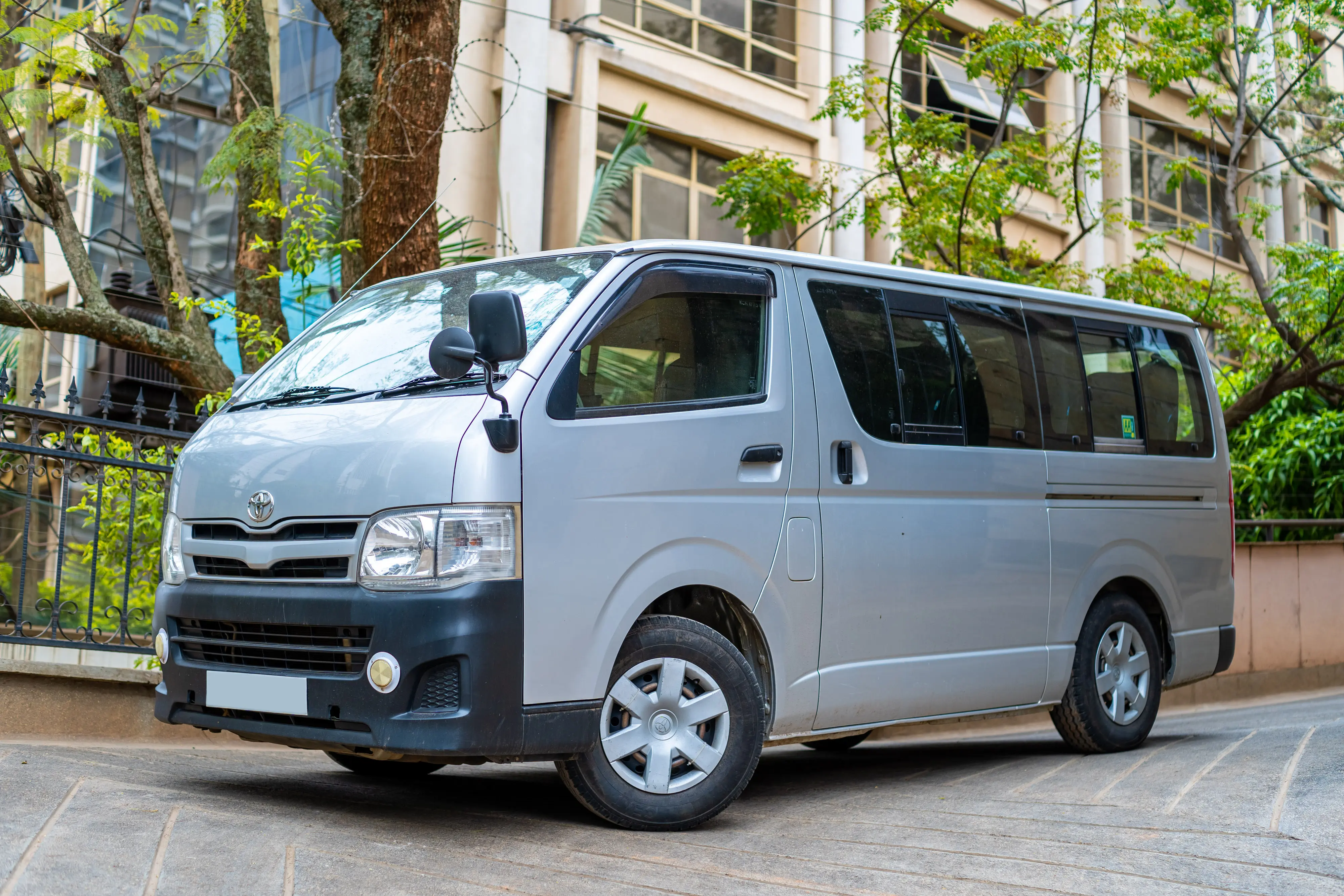

Common Long-Term Car Hire Mistakes Kenya Corporates Make

Car Hire

Avoid Costly Surprises in Long-Term Car Hire

Long-term car hire in Kenya can be a smart move for corporates that want steady transport without growing their own fleet. It can help with cost control, flexibility and reduced admin for HR, finance and operations teams. When it is done well, cars are available when people need them, projects keep moving, and finance teams can plan better.

More businesses in Nairobi, Mombasa, Nanyuki and other towns are shifting in this direction. They want predictable monthly costs, fewer headaches around resale, and support when vehicles are off the road. But there are also hidden risks. Poorly written contracts, unclear service promises and the wrong vehicles for local roads can quietly drain budgets and create safety issues.

The truth is that the most expensive mistakes usually happen before anyone signs the agreement. The pressure is often highest around April, when new financial year plans start, new projects kick off and mid-year travel peaks are coming. That is exactly when teams feel rushed to lock in vehicles quickly, and that is when details get missed.

Overlooking Total Cost of Ownership and Hidden Fees

A common mistake is to look only at the monthly rental figure. A headline rate that seems low can end up costing more once you add everything that sits around it. What matters is the total cost of using that vehicle for the whole year, not just what shows on the first quote.

Areas that are easy to overlook include:

  • Insurance structure and excess  
  • Mileage limits and per kilometre charges  
  • Servicing responsibilities and downtime  
  • Extra admin fees and penalties  

Hidden or poorly understood fees can appear in many places, for example:

  • Airport delivery or collection charges  
  • One-way drop-offs between cities like Nairobi and Mombasa  
  • Penalties for early termination of the contract  
  • Extra charges for additional drivers  
  • Conditions for cross-border use  

To compare long-term offers properly, corporates should ask for:

  • Itemised quotes that break down all fees  
  • Clear fuel policies, including how vehicles are returned  
  • Simple explanations of VAT treatment  
  • An estimate of the annual all-in cost, not just the base rate  

Service level agreements also matter. When a vehicle breaks down in Mombasa or Nanyuki, who arranges recovery, how fast is a replacement supplied, and what type of vehicle will it be? Delays here can stall site work, delay client meetings and push project costs up, even if the monthly rate looked good at first.

Choosing the Wrong Vehicles for Routes and Roles

Another costly error is choosing vehicles based on status or price instead of real daily use. An executive saloon may look right in the Nairobi office car park, but if that same car is expected to visit rough sites up-country, it will suffer constant wear and tear and spend more time in the workshop.

In Kenya, conditions change fast between cities and regions. Some examples:

  • Up-country or construction routes often need 4x4s or double-cab pickups  
  • Tight, congested city trips in Nairobi may suit compact cars or hybrids  
  • Coastal humidity in Mombasa can affect interiors and parts, so good maintenance is key  

Safety and compliance should sit above preference. That means checking:

  • Load limits are not exceeded on pickups and vans  
  • There is proper seating for staff shuttles, with seat belts for all passengers  
  • Vehicles used on long intercity trips have reliable safety features  

Vehicle choice also sends a message about the business. Fuel-efficient models and newer, well-maintained vehicles support environmental and social goals. They can cut fuel use, reduce breakdowns on the roadside and protect brand reputation when staff arrive to see clients.

Ignoring Contract Flexibility and Business Change

Corporate plans shift all the time. Projects end sooner than expected, teams grow or shrink, and operations move from Nairobi to other regions. If the long-term car hire contract is too rigid, the business can end up paying for unused vehicles or driving the wrong mix of cars and pickups.

Useful contract features for flexibility include:

  • Options to scale fleets up or down  
  • The ability to swap between vehicle categories when needs change  
  • Reasonable notice periods for off-hiring vehicles  
  • Seasonal adjustments, so you can add capacity in busy months  

Underestimating mileage is another common trap. A car doing frequent Nairobi, Mombasa trips will quickly blow through a low mileage allowance. High excess kilometre charges can then surprise finance teams. It is better to be realistic about routes and usage from the start.

Good planning also includes some built-in contingency. That can mean allowing for:

  • Vehicles to support upcoming project tenders  
  • Emergency replacements when there are incidents  
  • Temporary upgrades during busy public holidays, conference seasons or tourism peaks  

When flexibility is designed into the agreement, long-term car hire can shift with the business instead of holding it back.

Neglecting Driver Management, Insurance and Duty of Care

Many corporates quietly assume that once they sign a long-term hire deal, the provider carries most of the risk. In reality, there is often a gap between what the provider covers and what sits with HR and fleet managers. Driver behaviour, training and supervision still sit inside the business.

Key insurance areas that are often misunderstood include:

  • The size of the excess in case of an incident  
  • Exclusions for unqualified or unlisted drivers  
  • Rules about night driving, high-risk routes or off-road use  
  • Limits around personal use of company vehicles  

Duty of care is not just a legal idea; it is a daily practice. Simple steps help protect staff and assets, such as:

  • Regular basic checks before trips  
  • Clear rules on personal use of vehicles  
  • Strict policies on alcohol and mobile phone use while driving  
  • Agreed incident reporting and response procedures  

A professional long-term provider can share guidance on driver policies, the right level of cover and practical steps after an incident. When both sides understand their roles clearly, the partnership is safer and smoother.

Failing to Align Long-Term Car Hire with Strategy

Long-term car hire in Kenya works best when it supports the bigger business plan. It should not just be a quick fix for a sudden transport gap. Done well, it helps with cost predictability, staff comfort and reliable mobility for expansion into new regions.

Transport choices should link with:

  • Corporate travel and accommodation policies  
  • Procurement rules and approval levels  
  • Sustainability and social responsibility goals  

Regular performance reviews can keep things on track. A simple quarterly check-in with your provider can look at:

  • Vehicle uptime and replacement response times  
  • Spend patterns by department or route  
  • Driver feedback on comfort and suitability  
  • Whether the current mix of vehicles still fits upcoming projects  

The April planning window is a good time for these conversations. Many teams are reviewing budgets, mapping new projects and planning travel for the next few months. Locking in a structured long-term arrangement ahead of those peaks can reduce last-minute scrambles, rushed decisions and the risk of signing the wrong deal.

Secure Reliable Long-Term Transport For Your Business

If your organisation is ready for a smoother, more predictable transport solution, we are here to help you plan the right vehicles and terms for your team. At Avenue Car Hire & Leasing, our long-term car hire in Kenya service is tailored to your routes, mileage and budget so you only pay for what you truly need. Share a few details about your requirements and we will recommend practical options, from vehicle selection to maintenance support. To discuss your next steps directly with our team, simply contact us today.

Long-Term Vehicle Hire Policy for Kenyan Field Teams: Duty of Care and Costs

Vehicle Hire Policy

Protecting Your Field Teams and Your Bottom Line

Field work in Kenya runs on vehicles. Sales teams, NGO staff, engineers, auditors, and medical outreach teams are all on the road between Nairobi, Mombasa, Nanyuki and many smaller towns. When vehicles are booked one by one, at the last minute, costs creep up, safety drops, and no one is quite sure who is responsible for what.

A long-term vehicle hire policy helps you fix that. It turns ad hoc bookings into a clear system that protects your people and your budget. With the long rains starting around March in many parts of Kenya, roads get tougher, travel risks rise, and support needs to be quicker and more organised. A written policy gives managers, HR and field staff a shared playbook so trips are safe, approved and backed by the right vehicles and support.

As a hire and leasing provider working across Kenya, we see how a structured approach keeps field teams moving without chaos. Let us walk through the key pieces you should build into your long-term vehicle hire policy so it actually works on the ground.

Setting Clear Duty of Care and Eligibility Rules

Duty of care is simple to say: if you send staff on the road, you must take reasonable steps to keep them safe. In Kenya that means more than just handing over keys. It means roadworthy vehicles, trained drivers, and clear rules about when, where and how people travel.

Start by setting who can access long-term vehicle hire. For example, you might separate users like this:

  • Dedicated field staff who need vehicles daily  
  • Managers who travel often but not every day  
  • Expat staff and consultants on assignment  
  • Occasional users who can share pool vehicles  

Then tie duty of care to everyday rules, such as:

  • Maximum driving hours per day, for example a hard cap that still allows rest  
  • No night driving outside major towns unless approved in advance  
  • Minimum driver standards, such as licence type and years of experience  
  • Mandatory journey planning for remote or security-sensitive areas  

A simple risk matrix also helps. List the routes and regions you use often, like Nairobi to Nakuru highway, Mombasa to Malindi, Nanyuki to Isiolo, along with more remote northern or coastal routes. Group them, such as low, medium and high risk, based on things like road condition, distance, mobile network coverage and security concerns.

Then link each level to:

  • Which manager must approve the trip  
  • What type of vehicle is required, saloon, SUV, or 4×4  
  • Whether a professional driver is mandatory  

This way, duty of care is not just a nice idea, it is baked into who travels, where and in what.

Designing Smart Approvals and Driver vs Self-Drive Rules

Approvals are not just about control, they are about asking, is this trip really needed and is this the safest way to do it? When you put structure around approvals, you reduce impulse trips and match vehicles to real field needs.

Create a simple workflow. For long-term hire requests, ask for:

  • Purpose of the assignment  
  • Expected duration and regions to be covered  
  • Typical passenger numbers  
  • Expected luggage or equipment load  
  • Any known route risks, such as rough roads or late returns  

Decide who signs off what. For low-risk, short-term use, a line manager might approve. For longer, higher-risk field work, you might need sign off from operations or HR as well as budget approval from finance.

Next, set clear rules on when to assign a professional driver instead of self-drive. Good triggers include:

  • Long distances in a single day  
  • Unfamiliar routes or many route changes  
  • Travel during the long rains, when roads can be muddy or flooded  
  • Trips with VIP or expat passengers  
  • Any route with higher security concerns  
  • Planned late arrivals back to base  

For self-drive, define who is eligible:

  • Valid Kenyan or accepted international driving licence  
  • Minimum driving experience  
  • Clean driving record for a set period  
  • Attendance at a formal vehicle handover and safety briefing with your provider  

Seasonal rules make a big difference. During March to May, many organisations choose to default to 4×4 with a professional driver for rural routes, even if staff would normally self-drive. Putting that in the policy removes guesswork when the clouds build.

Tracking, Insurance, and Maintenance You Can Rely On

Once vehicles are on the road, you need clear sight of where they are, how they are being used and how problems will be handled. This is where tracking, insurance and maintenance agreements come in.

GPS tracking and simple telematics give you:

  • Real-time location and route history  
  • Visibility on unscheduled detours  
  • Basic driving behaviour, like harsh braking or speeding alerts  
  • Faster response when there is a breakdown or incident  

Set minimum insurance standards for field operations in Kenya, for example:

  • Comprehensive cover for the vehicle  
  • Passenger liability  
  • Clear policy on political violence and terrorism cover where needed  
  • Simple, written steps for reporting accidents, including timelines and documents  

Maintenance should never be left to chance. Service-level agreements with your long-term vehicle hire provider should spell out:

  • Preventive service schedules based on time and mileage  
  • Maximum response times for breakdowns in Nairobi, Mombasa, Nanyuki and upcountry routes  
  • When and how replacement vehicles are supplied  
  • How tyre, battery and wear items are handled  

Working with a provider that already has a wide fleet and support network across Kenya helps reduce downtime and risk. When you know what support you will get before a trip starts, every journey is easier to plan.

Cost Controls That Keep Your Fleet Spend in Check

A good long-term vehicle hire policy is also a money policy. Instead of buying vehicles that might sit idle when projects shift, organisations often choose hire so they can match fleet size to active field work and avoid tying up capital.

You can build cost controls straight into the policy, such as:

  • Standard vehicle bands by role, for example saloon for urban staff, SUV for mixed travel, 4×4 for heavy field use  
  • Maximum monthly mileage thresholds by vehicle type  
  • Clear rules on fuel, such as approved fuel card use and monthly checks  
  • Simple rules for personal use, weekends and public holidays  

Work with your provider to get useful data, like:

  • Monthly utilisation rates by vehicle  
  • Cost per kilometre, including fuel, hire and incident costs  
  • Off-road downtime days and the main reasons  
  • Accident frequency by route or user group  

With this information, you can move vehicles where they are needed most, cut low-value trips and pick the right mix of saloons, SUVs and 4x4s. It also helps you plan for seasonal changes, for example increasing 4×4 availability during the long rains when rural visits might take longer and need tougher vehicles.

Finally, choose flexible hire terms so you can increase or reduce your field fleet as projects start or close. That way, your policy supports your work instead of locking you into a fixed set of vehicles that no longer fit your footprint.

Turning Policy Into Practice with the Right Partner

The real power of a long-term vehicle hire policy comes when it is written down, approved and shared. HR, finance, operations and field teams should all know where to find it and what it says about duty of care, approvals, driver rules, tracking, insurance and cost controls. It also needs a set review point so you can adjust for new routes, new risks or lessons from past incidents.

A practical way to roll it out is to start small. Pilot the policy with one field team or one region, watch how the rules work in real life, then fine-tune. You might adjust driving hour limits, curfew times, or which routes require a professional driver. Once you are happy, you can roll out the same tested policy across your offices in Nairobi, Mombasa, Nanyuki and other locations.

As Avenue Car Hire & Leasing, we support corporates, expats and professionals across Kenya with long-term vehicle hire, professional drivers and fleet management support. We are used to helping organisations shape clear maintenance SLAs, set up tracking, choose the right mix of vehicles and turn policy ideas into workable systems that protect both people and budgets.

Secure Flexible Long-Term Vehicle Solutions For Your Business

At Avenue Car Hire & Leasing, we help you plan reliable, cost-effective mobility that supports your team for the long haul. Explore our long-term vehicle hire options to streamline fleet management and keep your drivers on the road with minimal admin. Whether you need a single car or a full fleet, we tailor terms, mileage and support to suit your business. Ready to discuss your requirements in detail? Simply contact us and we will guide you through the next steps.

Common Long-Term Car Hire Mistakes Nairobi Teams Make

Long Term Car Hire

Stop Wasting Budget on the Wrong Vehicles

Long-term car hire in Nairobi can either support your team or quietly drain your budget. When the cars are wrong for the work, you feel it fast, through delays, staff stress, and extra costs that keep popping up. The good news is that most problems start with a few common mistakes that you can avoid with a bit of planning.

For many corporate teams, expats, and professionals, long-term car hire means having vehicles for three months or more, often a mixed fleet, sometimes with drivers included. Around the start of the year, when teams are planning projects, approvals, and budgets, small decisions on vehicles end up shaping how the rest of the year runs. With rainy periods and travel peaks around public holidays and school breaks, March is a smart time to check if your current setup will cope.

In this guide, we walk through the long-term car hire mistakes we see Nairobi teams make again and again, and how to sidestep them before they turn into bigger issues. With clearer thinking about vehicles, drivers, and backup plans, your team can move more smoothly across Nairobi and upcountry, without constant fire-fighting.

Choosing Cars for Today, Not for the Whole Year

One of the biggest mistakes is picking cars only for what you need this month. For example, a team might choose small saloons because the focus right now is client meetings in Upper Hill and Westlands. It feels neat and tidy, until mid-year when they suddenly need to visit project sites on rougher roads or send staff upcountry several times a week.

Kenya’s seasons and work cycles can change how you use vehicles. You may face:

  • Heavy rain that turns some access roads muddy  
  • More trips on rough rural or construction routes  
  • Holiday peaks that make airport runs and late-night transfers more common  
  • Extra visits to sites outside Nairobi as projects grow  

If your fleet is built just for city errands, your team may end up stuck, delayed, or paying extra to swap cars at the last minute. A smarter move is to think in seasons, not weeks.

A flexible mix might include:

  • Saloons for everyday city meetings and errands  
  • SUVs or 4x4s for site visits and upcountry travel  
  • Vans or people carriers for group moves and airport runs  

Long-term car hire in Nairobi works best when you plan for change. Look at the full year of projects, known travel peaks, and possible expansions, then choose a fleet that can be scaled up or down without drama.

Ignoring Total Cost of Mobility, Not Just the Monthly Rate

Another common trap is focusing only on the headline monthly rate. On paper one quote looks cheaper, so it feels like the smart choice. But the real question is: what is this car going to cost you to keep your team moving?

Hidden or overlooked costs can include:

  • Maintenance downtime, when a car is in the workshop  
  • Replacement vehicles, or the lack of them  
  • Fuel consumption, especially for long trips or heavy traffic  
  • Insurance excess in case of an incident  
  • Driver overtime for late nights or weekend work  
  • Parking fees and traffic penalties  
  • Penalties for returning a vehicle early or keeping it longer  

If these details are not clear, your budget becomes guesswork. What looks low cost at first can turn into higher spend once you add fuel, lost time, and surprise charges. A transparent provider will explain what is covered, such as service, maintenance, or standard insurance, and what counts as an extra so you can plan with confidence.

For Nairobi teams, it pays to ask detailed questions about downtime, replacement policies, and fuel efficiency. When you understand the total cost of mobility, you can compare options fairly and choose cars that actually support your work style.

Overlooking Driver Options and Staff Productivity

Many teams choose self-drive by default because it feels simpler. The car is booked, keys are handed over, and that is that. But then senior staff spend hours each week sitting in traffic, hunting for parking in the CBD, or driving late at night after a long day of meetings.

For expats and visiting consultants, self-drive can be even tougher. New road layouts, unfamiliar traffic patterns, and different driving habits add stress and slow them down. Each minute behind the wheel is a minute they are not preparing for meetings, replying to emails, or working with local teams.

Including professional drivers in your long-term car hire in Nairobi can:

  • Free managers and visitors to work on the move  
  • Cut stress linked to traffic, congestion, and parking  
  • Support on-time arrivals for tight schedules  
  • Reduce fatigue from early starts and late finishes  

Trained drivers who know Nairobi, Mombasa, and Nanyuki routes can also help with safety and compliance. They understand common traffic bottlenecks, safer routes at different times of day, and local conditions that might affect your staff. That kind of local knowledge is hard to put a price on when you have tight client commitments.

Failing to Plan for Downtime, Breakdowns and Growth

Many long-term hires start with the quiet hope that everything will run perfectly for six to twelve months. Cars will not break down, services will fit neatly around diary gaps, and no one will ever add a new project mid-year. In real life, that never happens.

You need clear answers to questions like:

  • What happens when a vehicle is off the road for service or repair?  
  • How fast can a replacement vehicle be provided?  
  • Is roadside assistance included, and in which areas?  
  • How are regular services planned around your team’s schedule?  

Without this, a single breakdown can cause staff to miss client visits, site checks, or key meetings. Over time, that hurts relationships and internal trust.

Growth is another piece that teams often forget. New hires, expanded project scopes, or extra sites outside Nairobi can change your vehicle needs quickly. A good long-term plan allows you to add or swap vehicles without starting from scratch each time. That way your mobility keeps up as your Kenya operations expand, instead of holding them back.

Treating Car Hire as a Transaction, Not a Partnership

The last big mistake is treating long-term car hire like a simple one-off purchase. Many teams collect a few email quotes, scan the rates, and pick one without a deeper chat. It feels fast, but misses an opportunity to build a set-up that really matches your work.

A better approach is to see the provider as a mobility partner. That means sharing:

  • Your main routes and typical trip patterns  
  • Any upcountry or cross-town work your team handles  
  • Your corporate travel and safety policies  
  • Expected growth or new projects in Nairobi, Mombasa, and Nanyuki  

With this picture, a provider can suggest the right mix of saloons, SUVs, and vans, advise where drivers make sense, and help you think through risk and duty of care. A short needs assessment, a review of service-level expectations, and a clear agreement about support can turn long-term car hire in Nairobi into a stable, low-stress part of your operations.

When you treat it as an ongoing partnership, your fleet strategy can adapt with you. Instead of fighting fires when things go wrong, you and your provider work side by side to keep your people and projects moving smoothly across Kenya.

Secure Reliable Long-Term Transport For Your Team Today

If you are ready to simplify staff travel and manage costs with predictable monthly rates, we are here to help. At Avenue Car Hire & Leasing, our long-term car hire in Nairobi solutions are tailored to your routes, schedules and fleet requirements. Share your transport needs with us and we will propose a flexible package that fits your budget and operational priorities. To discuss options or request a quote, simply contact us.

Long-Term Car Hire vs Leasing vs Buying in Kenya: Cost by Use Case

car hire

Cut Your Transport Costs in Kenya Without Compromise

Choosing how to move people and goods in Kenya has a big effect on your costs and your peace of mind. Between rising fuel prices, harsh road conditions and heavy traffic in cities, the wrong choice can lock you into stress and wasted money for years.

For most serious users, there are three main options. Long-term car hire in Kenya, where you pay a monthly fee for a fully supported vehicle. Operating lease, where you commit to a vehicle for a longer period without owning it. And outright purchase, where the vehicle is fully yours from day one. Each option has its own impact on cash flow, tax, control and daily operations.

With public holidays, Easter travel, school breaks and mid-year project cycles, timing also matters. Expats, corporates and NGOs often face different pressures at the same moments. Our goal is to unpack how these options work in real life and help you choose the model that supports your work instead of draining it.

What Long-Term Car Hire in Kenya Really Covers

Long-term car hire in Kenya usually means taking a car for one to twenty-four months, instead of a few days. You pay a single monthly rate that normally includes the vehicle, insurance, scheduled servicing and, in many cases, a relief vehicle if yours is off the road.

The main cost pieces usually include:

  • Length of contract, daily rates are higher than monthly or multi-month deals  
  • Mileage limits, with clear terms if you go over  
  • Option of a professional driver, which changes the monthly figure  
  • Seasonal changes, such as Easter, school holidays and conference periods  
  • How fuel is handled, for example pay as you go or pre-agreed arrangements  

Long-term hire tends to work best when your needs are clear, but your future is not fixed. Good examples include:

  • Short or medium term expat assignments  
  • Project teams set up for a few months  
  • New staff on probation before you commit to a permanent vehicle  
  • NGOs that need to scale up or scale down quickly  

Choice of car also matters by location. Nairobi traffic often calls for smaller, efficient cars or mid-size SUVs that can handle speed bumps and estate roads. Mombasa and coastal routes may need vehicles that cope well with heat, salt air and long drives. Around Nanyuki and other upcountry bases, rougher roads, farm tracks and security concerns often push people toward stronger 4×4 options. All of this shapes the true cost of a long-term car hire package.

Leasing Versus Buying in Kenya for Serious Fleet Users

An operating lease is different from buying. With a lease, you do not pay the full price of the car up front. You pay fixed monthly lease rentals over a set term and return the vehicle at the end, or follow agreed options. Many organisations treat the lease as an operating cost rather than an asset.

Buying looks simple at first, but the full picture is wider. When you buy, you take on:

  • Import duties and taxes where relevant  
  • Registration and number plates  
  • Comprehensive insurance and renewals  
  • Routine servicing and wear items  
  • Breakdowns and unexpected repairs  
  • Depreciation, plus the time and risk of resale  

For a mid-size SUV used by a corporate in Nairobi over about three years, a lease changes how cash moves through the business. Instead of a heavy upfront payment, you hold on to capital for other needs and spread the transport cost in a clearer way. The total cost of ownership includes funding costs, expected resale value, tax treatment and internal admin time. Leasing wraps many of these into one line.

This is why many corporates and NGOs lean toward operating leases for their core fleets. Pool cars for staff, 4x4s for fieldwork and staff shuttles for daily routes often sit well in a lease structure. Long-term car hire then plays a support role, filling gaps for seasonal surges, new branches, short donor projects or when new teams arrive before their permanent fleet is ready.

Smart Transport Choices for Expats, Corporates and NGOs

Expats on a two-year posting have a few clear options. Buying a used import means you must handle paperwork, ongoing care and, later, the stress of selling before you leave. Leasing can work if your employer backs a longer-term view. Long-term car hire or a chauffeur-driven package often gives the easiest path, especially in Nairobi traffic, since support, paperwork and driver management are included.

For corporates, the right answer often depends on the role:

  • Sales teams that clock high mileage across multiple counties  
  • Executives who need comfortable, presentable vehicles  
  • Regional staff moving between Nairobi, Mombasa, Nanyuki and other hubs  

A common pattern is a lean, leased core fleet for known routes, then flexible long-term car hire for new hires, visiting teams, training weeks and events. This mix can keep blended transport costs lower while staying agile when markets or management plans change.

NGOs face their own set of pressures. Donor rules, budget cycles and strict reporting all shape transport choices. Many groups base key vehicles on operating lease in Nairobi, Mombasa or Nanyuki, then add long-term hire of 4x4s and vans during heavy field seasons. Remote project sites, rough terrain and sensitive work also raise the stakes on safety.

Risk and compliance should never be an afterthought. Roadworthy vehicles, proper safety equipment, driver vetting and clear duty of care are part of looking after staff, volunteers and partners. Working with a specialist fleet provider that understands these needs can save both time and worry.

Cost Breakdown by Scenario and How to Run the Numbers

It helps to think in simple scenarios and then adjust to your real-world.

For example, compare:

  • A 12 month expat posting based in Nairobi  
  • A three year corporate sales fleet serving several regions  
  • An 18 month NGO programme based from Nanyuki with regular field trips  

For the expat, you might weigh:

  • Upfront cost, deposit on long-term hire or down payment to buy  
  • Monthly spend, including parking, insurance and servicing  
  • Your exposure to repairs and parts  
  • Exit options, such as returning a hired vehicle versus selling your own  

For the corporate fleet over three years, focus on:

  • Total lease rentals versus total cost of purchase and finance  
  • Internal admin, from logbooks to workshop visits  
  • Tax treatment as guided by current Kenya Revenue Authority rules  
  • Residual value uncertainty if you own the vehicles  

For the NGO field programme, key questions include:

  • How many months the vehicles will be used at full capacity  
  • Average monthly mileage on rough roads  
  • How much internal HR and admin capacity you have for managing drivers and maintenance  
  • Whether flexibility or ownership is more important once the donor project closes  

A simple framework that works well is: how long, how certain, how many, where, how much admin. When you map those points, the right mix of long-term car hire, leasing or buying starts to stand out.

It is also worth thinking ahead to seasonal pressure. Easter travel, school breaks, conferences and donor funding releases all tend to squeeze vehicle availability. Locking in the right structure early can protect you from price spikes and last-minute compromises that do not fit your risk profile.

Take the Next Step Toward a Leaner, Safer Fleet

Different users usually land in different sweet spot. Expats often gain most from long-term car hire or chauffeur-driven services that remove paperwork and resale worries. Corporates often benefit from a core leased fleet supported by flexible long-term hire as teams grow or shift. NGOs frequently do best with lean leased base vehicles, then project-based hiring for field-heavy seasons.

At Avenue Car Hire & Leasing, we work with expats, corporates and NGOs across Nairobi, Mombasa and Nanyuki, drawing on many years of fleet management experience. A clear look at your routes, mileage and project timelines can turn transport from a constant headache into a quiet support that just works in the background, so your people can focus on their real work.

Secure Reliable Long-Term Transport For Your Team

If you are ready to streamline your company’s travel and enjoy predictable costs, we can tailor a flexible solution around your routes, drivers and schedules. Explore our long-term car hire in Kenya options to see how Avenue Car Hire & Leasing can support your operations all year round. Speak with our team to discuss vehicle choices, maintenance coverage and contract length, or simply contact us to request a customised quote today.

How Fleet Leasing Can Replace Vehicle Purchasing in Kenya

Fleet Leasing

Across Kenya, more businesses are taking a fresh look at how they manage transport. Instead of spending large amounts on buying vehicles, many are beginning to lean towards something more flexible. Car leasing in Kenya is quickly becoming a smarter option for companies that want to keep their teams moving without the extra pressure that comes with ownership.

This shift wasn’t just about cost. It’s about making better use of time and resources. Vehicles are important, but they shouldn’t become a distraction. Leasing helps organisations stay focused on the work at hand while still having the transport they need, especially across busy cities like Nairobi, Mombasa, or developing centres like Nanyuki.

Why Buying Fleets Is Getting Harder to Justify

Owning a fleet might once have been the standard, but it often brings more problems than it solves, especially as work demands shift and teams grow.

  • New vehicles come with high upfront payments, registration, and insurance obligations that stretch admin teams.
  • Over time, vehicles wear out, yet companies are stuck either using older models or spending even more to replace them at regular intervals.
  • Business needs change fast. Teams grow, projects shift, and some clients require special transport. But when vehicles are purchased and locked into use, it becomes hard to switch things up.
  • The paperwork tied to ownership can be a burden. From logbooks to servicing records, there’s plenty to track, and it all steals time from business tasks that need full attention.

Companies that rely solely on bought fleets might soon find themselves managing a mix of mismatched cars, each at a different point in its maintenance life. That gets especially tricky when work moves across different parts of the country.

How Leasing Fills the Gaps Ownership Can’t

Leasing allows companies to stay mobile without being stuck. It gives access to dependable, newer vehicles without the commitment of buying. That way, we can pick the right tool for the job and change it when things evolve.

  • A team working across construction sites might need 4WDs at one point, then switch to pickups or vans later. With leasing, that’s not hard to do.
  • No one has to worry about ageing vehicles falling behind safety or comfort standards.
  • Lease periods can vary. Whether it’s a two-year company-wide rollout or just a temporary vehicle for a short-term project, the setup can match the rhythm of the business.

Ownership makes vehicle use feel fixed. Leasing does the opposite; it lets work drive the choice, not the other way around.

Avenue Car Hire & Leasing offers bespoke leasing contracts, which can include scheduled servicing, fleet management, and replacement vehicles if a car requires major repair.

Matching Vehicle Leasing to Real Corporate Needs in Kenya

Working in Kenya isn’t always straightforward, especially across places like Nairobi traffic or the coastal weather shifts in Mombasa. Transport needs change block by block, and a one-size-fits-all vehicle plan won’t cover that.

  • A business running operations across Nairobi and Nanyuki might need small saloons for town movement and rugged cruisers for off-road work.
  • Hiring a driver is another option when staff aren’t familiar with local roads or when punctuality matters more than finding parking.
  • Vehicle swaps and quick support matter when things don’t quite go to plan, bad roads, surprise detours, or extra equipment to carry.

That’s where leasing shines. It gives businesses the breathing room they need to plan trips, support teams, and focus on delivering work, not fixing cars stuck in the office lot.

Our clients can choose from a range of vehicles, including 4WDs, saloons, buses, and vans, suited for different business and upcountry travel requirements, as highlighted on our car hire and leasing pages.

Short-Term Flexibility, Long-Term Confidence

Some jobs last a week, others span years. The good thing is leasing doesn’t lock anyone in too tight. It supports both.

  • Short-term hires help with visiting staff, events, or project pilots.
  • Longer leasing periods give local teams reliable transport they don’t have to think twice about.
  • As work expands or scales back, fleets can grow or shrink with zero stress around ownership or selling off unused vehicles.

Car leasing in Kenya lets companies modernise without the pressure of fleet ownership. It’s not about cutting corners; it’s about choosing what works best for reliable, day-to-day company transport.

When Leasing Means Less Hassle for Expats

Moving to Kenya on assignment brings enough change on its own. Expats often land without local licences, no idea where local offices are, and very tight schedules. Buying a car just doesn’t make sense.

  • Leasing lets expats get a quality vehicle on the ground and ready to use when they step off the plane.
  • A driver can be added, too, which helps a lot when every meeting or site visit is in a new location with different driving rules.
  • As assignments grow, it’s easy to move from short-term usage into longer lease models and still keep the same car if they want.

No guesswork, no resale worries, and no delay means expats spend less time sorting transport and more time getting to work.

The Smarter Choice for Growing Businesses

For any business trying to grow across Kenya, fleet decisions don’t need to be complicated. Leasing helps keep the focus on work, not workshop visits, fuel records, or registration delays.

  • Work vehicles are lined up when and where they’re needed, not stuck waiting for purchase approval.
  • Admin teams spend less time on car paperwork and more time on business operations.
  • There’s freedom to upgrade or adjust vehicle types as projects change or teams shift location.

For any organisation looking to stay lean, efficient, and focused as they grow, leasing isn’t a second option. It’s the new standard for smarter fleet planning. Instead of buying more, it’s about choosing better, every step of the way.

At Avenue Car Hire & Leasing, we understand how important it is for businesses across Kenya to keep things moving without delays or complications. Whether you’re setting up in Nairobi, scaling operations in Mombasa, or expanding into Nanyuki, our flexible approach helps you stay on track. We’ve seen how well-planned vehicle use can make projects run smoother, teams feel supported, and workflows stay consistent. When you’re ready to make smarter transport choices, see our approach to car leasing in Kenya. For any questions or to discuss your requirements, just let us know.

How to Make Sense of Prado Lease Deals in Nairobi

Lease Deals

Leasing makes a lot of sense for many businesses and expats arriving in Nairobi. Instead of buying a vehicle outright, which ties up capital and time, leasing gives more freedom to focus on the work ahead. That is especially helpful for short to medium projects, or for teams that just need a steady way to get around.

It is common to feel unsure when looking at Prado lease deals in Nairobi. There are different terms, setups, and expectations depending on what each business or individual needs. But once you understand the parts involved, like when to lease, how long, and what is included, it becomes much easier to make the right choice.

We have been through it many times with our clients, and we know the key is to keep things simple, flexible, and reliable. Knowing when and how to lease a Prado in Nairobi can save a lot of hassle and keep things moving right from day one.

Why Choose a Prado for City and Field Work

A Prado fits into that helpful space between city comfort and off-road readiness. It is one of the few vehicles that can handle Nairobi’s busy roads on weekdays and then tackle more rural routes when needed. Many of our clients use it for just that, switching between city meetings and fieldwork without needing a second vehicle.

  • For corporate teams, it is often the easiest choice. Enough seating for medium crews, enough boot space for gear, and enough clearance to deal with rougher roads.
  • For expats, it is a mix of familiarity and practicality. Whether they are moving within Nairobi or heading out for longer drives across counties, a Prado gives them confidence and comfort in the same package.
  • For regional visits or working from satellite offices, it is the kind of SUV that makes travel smooth, even if the roads aren’t.

The range of SUVs we lease includes more than just Prados, but this model often stands out because it sits at that perfect balance point: capable, comfortable, and flexible. That is what makes it a strong fit for both city and site work in Kenya.

According to our vehicle leasing page, every Prado lease with Avenue Car Hire & Leasing comes with routine maintenance, and we can offer them on both short and longer-term lease arrangements, depending on what’s best for your business.

What to Look for in a Good Lease Deal

Not all lease agreements are built the same, so it helps to know what to check before signing anything. The first thing to think about is how long you will need the vehicle. Here is how it usually breaks down:

  • Short-term leases: Anywhere from a few days to a month. Best for temporary visitors or teams waiting for a longer deal to be finalised.
  • Medium-term leases: From two to six months. Ideal for project-based work that is not permanent but still needs reliable travel.
  • Long-term leases: Two years or more. This option often comes with more stable terms like consistent maintenance, replacement vehicles if needed, and possible upgrades if your team grows.

We always suggest looking for deals that include servicing and clear support. That way, you are not left sorting out last-minute repairs in the middle of a busy work week.

There is also the question of driving. If your team is not familiar with Nairobi routes, or just prefers to stay focused on meetings, leasing a Prado with a driver makes sense. On the other hand, if you have been here a while and want more independence, self-drive may suit you better. It just depends on the situation.

Another thing to consider is what is actually included in the contract. Some lease deals cover only the basics, like the vehicle and insurance. Others provide more value, including roadside support, scheduled servicing, and access to a replacement vehicle if there is ever a breakdown or the car needs major repairs. It is always best to ask what is covered, so there are no surprises later on.

Timing Your Lease in Nairobi

January is one of the smarter times to arrange a lease. Many businesses are starting new projects, launching new teams, or planning for the quarter ahead. Having a solid transport plan sorted early in the year helps everyone focus.

  • Budgets usually reset or refresh in January, so it is easier to plan for transport alongside other operational costs.
  • Holiday travel has mostly cleared by the middle of the month, which leaves more availability and often faster response time.
  • Some sectors, like field research, education, construction, and events, pick up pace around this time, which means demand for vehicles like Prados increases quickly.

We always suggest confirming your vehicle and lease timing before the month gets too far in. That way you have everything ready before meetings stack up or site visits begin.

Leasing early also means you get more choice, not only of vehicles but also with extras like adding a driver or scheduling pickups and drop-offs that suit your team. Nairobi can get busy, so sorting these details up front can help prevent last-minute worries. If you need to extend or change your leasing dates, arranging this as early as possible gives more room to adjust without losing your preferred vehicle.

Matching the Prado to Your Needs and Team Size

Different teams need different setups, even when they all choose the same vehicle. The nice thing about leasing a Prado is that you can use it however your work requires.

  • Small leadership teams might need a clean, comfortable ride for travel between office branches or client sites.
  • Project teams heading to counties, rural job sites, or construction areas often value the solid ride and extra cargo space.
  • Visiting staff doing regional tours or temporary assignments can lease it for two months or more and avoid the stress of car ownership.

One of the more helpful options is flexibility. Having the choice to add or remove a driver, extend or end early, or upgrade to something larger keeps your lease deal practical. Working with someone based here in Kenya also helps make changes swift when the team grows or the route changes.

With Avenue Car Hire & Leasing, your lease agreement can adapt to shifts in staff numbers or new locations in Nairobi, which is useful if your organisation’s needs might change during the lease period.

There are a few more details to think about as well, like extras you might want, for example, GPS units, child seats, or specific insurance cover. Some organisations prefer higher-level services, like vehicle branding, regular reporting, or a tailored pick-up schedule. Talk through your plans in advance and we can help make sure these are ready when your lease begins.

Smarter Moves with the Right Lease Plan

Choosing the right Prado lease often means fewer delays, fewer repairs, and less stress. Whether it is for trips across Nairobi or longer hauls beyond the city, a good lease setup supports the way your team already works.

It might seem complex at first, but when you break things down, timing, support, route knowledge, it all starts to make sense. And when you have someone who knows the roads, understands fleet needs, and listens to what you are solving for, the process becomes simpler. That way, you can stop worrying about how to get from point A to point B and focus on what your business actually came here to do.

Planning ahead for business travel or team moves is easier with the right Prado setup, helping your days in Nairobi run smoothly from the start. Nairobi’s blend of traffic and off-road challenges highlights the importance of a reliable lease to help you stay on track and avoid the unexpected. Choose from our flexible options to match your team’s needs, with or without a driver. To learn more about our packages and compare Prado lease deals in Nairobi, get in touch with Avenue Car Hire & Leasing and let us help you organise everything in advance.

How Corporates in Kenya Use Vehicle Leasing to Boost Logistics

Vehicle Leasing

Getting goods from point A to B while keeping teams mobile is a big task, especially as businesses scale. In Kenya, many corporates are choosing to lease vehicles instead of buying. This helps ease day-to-day pressure and gives them more flexibility.

By working with vehicle leasing companies in Kenya, we gain better control over our logistics. We pick the right type of vehicle for the job and don’t have to worry about things like resale or long-term storage. At Avenue Car Hire & Leasing, we offer a choice of saloon cars, crossovers, double cabs, minibuses, Safari Land Cruisers, Prados, and more, enabling our clients to suit the journey to any type of cargo or passenger need. Whether it’s sending staff to meet clients or transporting tools between sites, leasing offers a simpler way to plan without slowing things down.

Why More Corporates Are Choosing to Lease Over Own

Owning a vehicle sounds good on paper, but it can bring a lot of extra work. Repairs, insurance, logbooks, and routine checks take up resources that could be used elsewhere. That is especially true for busy operations juggling short timelines and tight schedules.

Leasing gives businesses room to adjust based on what’s happening on the ground. Vehicles can be swapped, upgraded, or rotated in line with project stages or seasonal spikes.

  • A saloon might be best for day-to-day office errands.
  • A double cab works well in rugged areas or where loads need to move between shops or work sites.
  • A bus allows full teams to travel together across counties without hiring multiple vehicles.

Vehicle leasing from Avenue Car Hire & Leasing can be arranged for terms of two years or more with support included, and the fleet is managed from start to finish so there’s no downtime sourcing or servicing vehicles. This setup is handy for industries like construction, events, security, or retail, where the need for transport goes up and down through the year. Instead of paying for ownership during quiet months, we can lease only what’s needed, when it’s needed.

Many organisations also find that leasing improves budgeting. There is a clear monthly cost, without unexpected bills for repairs or surprise maintenance. Instead of worrying that an older car might break down, we get peace of mind with a well-maintained and newer model that fits our needs for each project. As priorities change, the support team handles all service or replacements, so there is less admin and fewer disruptions to daily work. This is especially useful for companies whose demand for travel changes fast, such as event planners or construction companies with different project sites. With leasing, we can avoid paying for idle vehicles and keep control over costs.

How Leasing Helps Streamline Team Logistics

When staff need to visit clients, spend time on site, or attend meetings across different towns, having the right vehicle ready every morning makes a big difference. With leased vehicles, our clients know their staff won’t have to wait around to be picked up or sort out last-minute transport.

In busy zones like Nairobi or Mombasa, this kind of planning helps keep everyone on task. For example:

  • Teams can lease vehicles full-time for long projects, so there’s no interruption between worksites or locations.
  • With a driver included, staff don’t have to worry about missed turns, traffic shortcuts, or finding parking.
  • Teams can move around safely and on time, especially when routes change or visits run late.

With leased vehicles, every trip becomes part of a well-organised plan rather than a rush to arrange last-minute solutions. Staff leave on time and arrive ready for meetings, reducing delays. They can also complete several site visits or meetings in one day, knowing there’s always a vehicle available for the next journey. This efficiency quickly adds up, especially for businesses with back-to-back appointments or teams split between multiple sites.

For businesses that operate outside the city or in rougher zones, leasing sturdy vehicles ahead of time, like 4WDs or crew vans, keeps things running smoothly when work picks up.

The Role of Professional Support and Local Knowledge

One big advantage in leasing through local providers is the help that comes with it. With support on the ground in different areas, replacements or repairs don’t need to wait long.

When something goes wrong with a vehicle mid-assignment, having a partner close by means less scrambling. Our offices in Nairobi, Mombasa, and Nanyuki help keep operations from slowing down across regions.

Local drivers also make a big difference. They understand:

  • Where traffic tends to build up.
  • Which roads might be under repair.
  • The best times to head out and come back.

This extra awareness helps teams stay where they need to be, especially when schedules are tight or there’s a lot on the agenda. It’s not just about the car, it’s also about knowing the region and getting around without delay.

Another part of having professional support is the reassurance that help is never far away. If a breakdown happens or a route changes suddenly, there’s someone nearby to offer quick guidance or a replacement vehicle. This means less worry for managers and a smoother experience for staff on the ground. It also ensures that work continues as planned, with less chance of lost hours due to unexpected issues.

Matching the Right Vehicle to Corporate Tasks

Different business roles need different transport, so leasing allows teams to choose vehicles that make sense for each job. That means less fuel waste, safer driving, and more comfort for those behind the wheel, or relaxing in the back.

  • Saloon cars and crossovers are a good fit for regular drives around the city, especially when meetings and errands change every week.
  • Tech teams, construction crews, or field workers often prefer a double cab or Safari Land Cruiser, especially outside urban areas or in unpredictable weather.
  • When full groups need to travel together, sales teams, trainers, or managers on tour, a minibus or larger SUV like a Prado or V8 adds both comfort and space.

Making the right match also helps with maintenance and wear. Vehicles aren’t pushed past their limits, which means fewer repairs and smoother use over the full lease term.

Deciding on the right type of vehicle brings further benefits in safety and productivity. Staff are less tired after journeys, reducing mistakes or missed meetings. Cargo and tools arrive in better shape when vehicles suit the load, which is important for everything from field repairs to carrying supplies for major events. Over time, this level of planning makes it easier to stick to deadlines and keep standards high for every part of the business.

Steady Support for Growing Business Moves

As more businesses set up across Kenya’s counties, having a predictable and flexible way to move things becomes part of staying ahead. With more than 44 years of experience serving clients from over 22 industries, we at Avenue Car Hire & Leasing understand the logistical needs of businesses working in and out of Nairobi, Mombasa, and Nanyuki. Leasing doesn’t just give access to cars, it gives us freedom to plan ahead, test new locations, or shift into high gear when work increases.

We see this most often with growing companies that add staff, start new branches, or run time-based projects that shift between regions. Planning vehicle use alongside those changes saves time and reduces stress when the busy season kicks off.

Whether the need is one vehicle or twenty, having the option to lease on varied terms helps companies stay agile. Logistics feel smoother when our staff always have the right vehicle ready, rather than trying to make the wrong one fit the job.

There’s no one-size-fits-all solution for work on the move. But having local partners, access to the right range of vehicles, and the ability to adjust quickly means less time worrying about the transport, and more time getting the job done.

We help businesses across Nairobi, Mombasa, and Nanyuki stay agile with flexible solutions for every journey. With less paperwork and the right vehicle for the job, managing your transport becomes effortless. Discover how other companies are benefiting from vehicle leasing companies in Kenya by reaching out to us today.

Why a Double Cab Could Fit Your Next Field Job

Double Cab|Avenue Cars-44

Field jobs don’t always mean smooth roads and quiet office parks. Sometimes they lead off the tarmac, into rough areas where the weather and terrain test your transport each day. That’s when a double cab can make more sense than a basic car. A cab double gives you passenger comfort and cargo space at the same time, all in one vehicle. Whether you’re heading to a rural site, a construction setup, or just making long drives across counties between Nairobi and Nanyuki, it’s a good all-round choice.

Field teams often need to carry people and tools together. Some need to stay on the move for days before returning. Others may head into remote jobs that shift location each week. Choosing a vehicle that can do a bit of everything (while keeping your crew safe and less worn) is a good place to start. The work pace can be fast, and moving people and gear without hassle always helps make each day a little smoother.

Built for Tough Roads and Long Days

Not every spot in Kenya is reached with clean, straight roads. Some sites take you through dry riverbeds, soft ground, or rocky paths. When the track turns bumpy or the weather shifts to rain, a double cab keeps going with less worry. These vehicles are made to handle rough areas more easily than lower cars.

  • Height off the ground helps stop damage to the underside when the road gets tricky
  • Strong suspension and tyres give better grip and ride comfort, even off the road
  • The engine power helps if you’re towing small gear or need to get out of muddy patches

Field jobs often stretch full days. A cab double lets you carry both people and tools in one trip, which cuts down on back-and-forth driving. That means less stress on schedules and fewer delays caused by vehicle limits. This keeps teams moving smoothly and helps projects stay on time, even when sites are far apart or access isn’t always the easiest. The ability to adapt to road changes is especially valuable during wet seasons, when conditions can shift in just a few hours.

Carrying Gear, Tools, and Teams

One thing that makes double cabs handy for fieldwork is the back section (the open bed). You can stack boxes, gear bags, or equipment without trying to squeeze things into narrow boots. That means you don’t need to use a second car or van just to carry gear.

  • The rear pickup area helps carry tools, parts, samples, or supplies that don’t need to ride inside
  • The cab itself fits four or five people easily, so the rest of the team travels together
  • That togetherness helps with quick shifts in plans or site moves

When space is tight or jobs need fast setup and pack-down, less fuss around gear transport can make a big difference. Instead of juggling cars, you move as one unit. That makes field planning easier, especially for teams that move often from site to site. Knowing that everyone and everything fits in one vehicle makes it simple to change schedules or locations as needed without extra stops or confusion. This flexibility is key in remote setups where extra vehicles aren’t always available.

Double cabs are helpful when there are bulky items to move, such as fencing, water tanks, or sample boxes. The open bed lends itself well to a range of work, whether you’re surveying land or supporting construction. Being able to separate the clean cab space from the gear outside also keeps everyone more comfortable, especially on long days.

A Flexible Fit for Short or Long-Term Use

Not every job takes the same amount of time. Some need a few days in the bush, others run for months or shift along the way. A double cab gives you options. It can fit well for a quick site visit or stay in use across a full project season.

You don’t need to commit for years to get the benefit from it. For short-term needs, it gives enough comfort and strength for jobs that come up fast. For longer ones, it holds up over rough travel, repeated stops, and changing locations.

If you’re new to Kenya or still learning how the roads connect across Nairobi, Mombasa, or Nanyuki, it can help to have a driver. That removes the stress of local routes or unexpected roadwork. Either way, the double cab keeps the vehicle choice easy, no matter your role on the ground.

Avenue Car Hire & Leasing maintains a fleet of over 250 vehicles across Kenya, including double cabs well-equipped for fieldwork, making it easy for teams to find the right fit for remote or urban assignments.

For long-term tasks, it’s reassuring to know that these vehicles are built to handle constant use. With good maintenance, a double cab can go from city roads to rough terrain day after day without letting the team down. If a project changes, or the team grows, it’s simple to switch up what you need without rethinking your transport from scratch.

Designed for Rural and Urban Balance

Many teams switch between town meetings and field checks. Some start the morning in the city and end the day on a site far from the road lights. In that case, you need a car that fits both settings without changing halfway through.

  • A double cab is strong enough for field routes but compact enough to work in town traffic
  • It helps you stay with one vehicle, one plan, and fewer changes across the week
  • You avoid switching cars for different jobs or worrying about parking in Nairobi

This balance matters more when jobs shift around fast. One week you’re based in Nanyuki, the next in Mombasa, and then back in Nairobi. The cab double handles that range by giving one format that doesn’t need trade-offs.

Busy teams value a flexible setup that works for all stages of a project. A double cab is just as comfortable moving through heavy town traffic as it is driving out across open land, so you get a smoother daily routine. Even if your fieldwork crosses county lines or stretches into tough weather, it removes the need for last-minute vehicle changes. This reliable mix of city and field ability makes life easier, as day-to-day work brings different needs.

Travel Without Guesswork

For many work trips, the unknowns can cause the most stress. Having a car that works from city to countryside, and that carries both people and tools, takes out some of the guesswork.

Double cabs match well with the kind of work that brings you into remote areas, long trips between counties, or sites far off the main roads. They give a space to carry gear, a way to bring your crew without crowding, and cover the rough stretches without added worry. Whether your job takes a few weeks or runs through the whole season, choosing the right car helps everything else fall in line.

When your next project takes you beyond city streets and into less predictable places, having something sturdy yet suitable makes everything simpler. A double cab lets you move people and gear in one go, whether you’re heading upcountry from Nairobi or covering sites across Nanyuki or Mombasa. With space inside and capacity out back, it saves time and avoids overcomplicating the trip. You can see more vehicle options, including the right cab double for your field job, from Avenue Car Hire & Leasing. Contact us and we’ll help you choose what works best.

Finding Fair Prado Lease Deals in Nairobi

Lease Deals

Getting around Nairobi isn’t always easy, especially during the short rains in November. Corporate teams and expats often need something solid and reliable to get from meeting to meeting, or job site to job site. That’s where a strong 4WD makes all the difference. Prado lease deals in Nairobi have become a top pick for businesses and professionals who want a safe, roomy car that still handles bumpy roads without trouble.

But finding a lease that fits your plans, your drivers, and the way your team moves around requires more than just picking the first one you see. This article looks at what makes a deal fair, how to avoid common traps, and what you should always check before signing a lease.

Why the Toyota Prado Works Well in Nairobi

Nairobi’s traffic can be slow at times, then suddenly open up. Add in rain, uneven roads, or last-minute meetings, and it helps to drive something that can shift between all of that without a hitch. The Toyota Prado is a steady option for those kinds of days.

  • It manages both city roads and the rough patches that come up when the weather shifts, especially during rainy season or in outer suburbs.
  • It has the space to safely and comfortably move staff members, clients, or even a few gear bags when needed.
  • It looks professional, which matters when picking up guests from the airport or showing up to a partner meeting. People often see it as a smart, steady choice that doesn’t draw too much attention but still gets respect.

Whether you’re running errands across town or heading over to Nanyuki or Mombasa, the Prado holds up on all tracks. That flexibility makes it a safe bet for corporate use.

Avenue Car Hire & Leasing offers well-maintained Prado 4WDs along with a choice of driver services or self-drive, so corporate and expat clients have flexibility in how they travel. Choosing the Toyota Prado gives your team or business a smooth ride, no matter how your days in Nairobi change from one week to the next.

What Makes a Lease Deal Fair

A fair deal is one that matches your needs, not just the calendar dates. Lease set-ups should offer more than a car key and an empty fuel tank.

  • Lease length matters. Short-term projects may only need a few months, while expat families or set-up teams may prefer two years or more. Trying to stretch one into the other rarely works well.
  • Look closely at what’s built into the package. Servicing, emergency support, and replacements take the stress off your staff. If they rely on the car daily, it needs backup when things go wrong.
  • Flexibility is just as important. Some groups may want to add driver services if staff aren’t used to local routes, or upgrade if the team grows midway through the term.

When a lease fits how your people actually work and travel, it saves time and frustration down the road. Flexible lease options and clear terms help you plan with confidence, knowing the provider understands corporate movement cycles and seasonal road changes. Good lease arrangements are built to make workdays easier rather than adding more pressure.

Common Leasing Mistakes to Avoid

Not every lease covers what people assume it will. Some setbacks are easy to miss at the start, but can make day-to-day use harder later on. Comparing Prado lease deals in Nairobi takes more than checking the car’s condition or colour.

  • Matching lease term to real need is important. Too short, and you’re scrambling to renew. Too long, and you’re stuck when your team is ready to leave.
  • Don’t skip small details like roadside support. This help matters even more during rainy months when a stalled car can hold up a whole site visit or create delays for deliveries.
  • Some corporate groups only check one option and move ahead. But leasing is not one-size-fits-all. There’s value in taking a pause and seeing how different providers approach long-term support, vehicle backup, and service response times.

Mistakes cost time, limit movement, and sometimes damage trust with partners or clients waiting on site. Getting the details right up front makes for smoother use throughout. It’s always better to spend a bit more time reading the small print and discussing support structures than to have your team face problems later that could have been avoided. The right preparation keeps everyone working at their best, rain or shine.

Things to Sort Out Before You Sign

It’s good to slow down at the final step. A few small talks now can save bigger problems later on. Nairobi’s road needs change season to season, and lease terms should match how your business moves, not just the calendar.

  • Make sure the pick-up and return terms actually work for you. Can you swap cars in Nairobi if there’s a problem? What happens if a driver needs to change midweek?
  • Extras like GPS, tracking tools, or fuel cards may be small at first but add up over time in ease and safety.
  • It’s worth spending a day talking through setups that fit your flow of staff. Some companies rotate teams monthly while others settle in longer term. If the provider understands how your group operates, the support is more helpful.

Before signing, go over every term slowly. Anything unclear today could become a surprise six months in. It also pays to have a checklist handy, ticking off with your provider each aspect of the service, from handover locations to what happens if you’re delayed returning the car. Doing this kind of run-through means you’re prepared for both regular days and any unexpected changes in schedule.

Avenue Car Hire & Leasing supports team movements with over 250 vehicles, comprehensive support, and fleet tracking options in Nairobi for total convenience during your lease. Having plenty of options and strong backup makes your arrangements more secure, particularly when business plans or travel routes change at short notice during the rainy season.

Keeping Your Team Moving Year-Round

A car lease should fit your plans, not create extra work. The right car, in the right condition, with the right cover takes pressure off teams who already have enough on their plates. When your needs stay the same week to week, a simple lease keeps you moving without new decisions every few days.

The Toyota Prado meets that balance between city comfort and off-road strength, which is why many corporates rely on it in and around Nairobi. With November rains turning some roads slick and soft, a well-maintained 4WD matters more than ever.

When the lease arrangement backs up your movement, it stops small hiccups turning into big delays. That’s what keeps schedules steady and teams focused from start to finish.

When weighing your options for steady transport in Nairobi, it helps to think through the details that matter most in daily use. From ease of access to road conditions during the short rains, the right vehicle keeps your plans on track. The Toyota Prado offers a solid mix of comfort and performance for business needs across the region. If you’re comparing Prado lease deals in Nairobi, we can help organize everything so it suits how your team travels. Avenue Car Hire & Leasing is available to talk through what you need, so contact us to get started.

Secret Link

Make an Enquiry

For any car rent enquiries or requests please fill out the following form and we’ll get back to you as soon as possible. Alternatively contact us directly via telephone or mobile.