


Is Toyota Prado Hire the Smart Choice for Mid-Year Circuits?

Toyota Prado Hire

Why Your Mid-Year Planning Circuit Needs the Right 4×4

Mid-year planning circuits in Kenya are rarely simple city hops. Corporate teams, NGOs and expat managers often need to move quickly between head offices, branch locations, client sites and projects scattered across Nairobi, Mombasa, Nanyuki and upcountry towns. In a single week you might combine boardroom reviews, field supervision, community visits and high-profile client meetings.

That kind of schedule puts real pressure on logistics. You are dealing with mixed road surfaces, from smooth highways to patchy rural access roads, tight timeframes, changing daylight and the need to arrive looking composed and professional. For many teams, a Toyota Prado becomes the obvious candidate, but is it always the smartest choice, or would a smaller SUV or saloon be enough? At Avenue Car Hire & Leasing, we work with corporates and expats every day and our role is to match vehicle choice to your route, budget and organisational goals, including tailored Prado lease deals in Mombasa, Nairobi, Nanyuki and across Kenya.

What a Toyota Prado Offers on Kenyan Roads

The first thing teams notice in a Prado is comfort. There is generous legroom for both front and rear passengers, which makes a difference when you are spending full days on the road, taking calls and preparing for the next meeting. The seating position is relaxed without feeling lazy, and there is space in the back for suitcases, laptops, product samples or technical kits that would quickly overwhelm a smaller boot.

Comfort links directly to energy levels. When senior staff are visiting from abroad, or local executives are chairing full-day reviews in different towns, stepping out of a comfortable 4×4 instead of a cramped saloon can be the difference between a sharp presentation and a drained one. On planning circuits, you rarely have the luxury of long breaks, so the vehicle becomes your moving office and recovery space.

Capability and safety also matter. A Prado’s high ground clearance helps you pass confidently over uneven surfaces, potholes and the occasional rough construction stretch on the outskirts of towns. The suspension is built to absorb corrugations and small ruts that are common on rural or coastal roads, which means less jolting for passengers and equipment. Features like solid braking, good visibility and stable handling at highway speeds contribute to a more reassuring experience, especially when the weather changes or you are finishing the day after dark.

There is also the question of image. When you are receiving visiting executives, donors or international partners, arriving at a key meeting in a well-presented Prado sends a different signal than turning up in a small hatchback. It suggests that you take safety, comfort and planning seriously, without being flashy. For field visits, it also shows staff and community teams that their time and wellbeing are being respected.

Finally, the Prado is versatile. One day you might be on the highway between Nairobi and Nanyuki, the next turning off towards a remote site or cutting through busy coastal traffic in Mombasa. A Prado can switch between these roles easily, so you do not have to second-guess whether your vehicle can cope if the itinerary shifts.

When Prado Hire Makes Sense for Your Planning Circuit

So when does Prado hire or leasing genuinely make sense for a mid-year circuit, rather than being a nice-to-have upgrade?

Start with the trip profile. If you are running a multi-city route, for example Nairobi to Nanyuki, then on to Mombasa and perhaps a few regional towns, you are likely to have early departures, late arrivals and some stretches on secondary roads. Any mix of city traffic, highway cruising and rural detours leans in favour of a proper 4×4, particularly if the schedule is tight.

Passenger and cargo needs come next. A Prado suits teams of three to five people who are carrying:

  • Multiple laptops and presentation kits  
  • Field samples or demonstration units  
  • Overnight bags for several nights away  
  • Light technical or monitoring equipment  

Once you go beyond two people with hand luggage, a small saloon can quickly feel overloaded and uncomfortable.

Risk and reliability are also key. On circuits where missing one meeting could derail the whole week, you want to reduce the chance of delays. A Prado’s track record on mixed terrain, and its ability to handle poor stretches without stress, can provide that extra margin of confidence, especially if you will be in areas where service options are limited.

That said, a Prado is not always necessary. For short, urban-only circuits with one or two staff shuttling between offices in Nairobi or Mombasa, a compact saloon or smaller SUV is usually enough and more economical. The value of stepping up to a Prado becomes clear once distance, passenger numbers, and route uncertainty start to rise, and when the cost of fatigue or delays outweighs the higher hire rate.

Cost, Value and Leasing Options to Consider

Budget conversations often focus only on the daily hire rate, but it helps to look at the full picture. When you factor in time saved on poor roads, reduced fatigue for key staff, fewer unplanned stops and a greater safety margin, a Prado can represent good value on the right type of circuit. The vehicle essentially becomes part of your risk management plan.

If your organisation runs mid-year, quarterly or even monthly field circuits, it may be worth comparing short-term hire with a longer leasing arrangement. Leasing can give you predictable costs, consistent vehicle quality and less admin each time a trip is planned. For teams with ongoing activity at the Coast, we often see interest in Prado lease deals in Mombasa that support regular regional movements without repeated short-notice bookings.

Location affects the calculation as well. A Nairobi-based head office might combine Prado leasing for frequent upcountry travel with occasional hire in Nanyuki for specific site visits. Coastal operations might prefer to keep a leased vehicle in Mombasa to cover both island and mainland routes.

When planning your mid-year budget, it helps to outline:

  • Estimated number of circuits and travel days  
  • Typical routes and expected road quality  
  • Fuel expectations based on distance and vehicle choice  
  • Insurance and any additional cover your policies require  
  • Whether chauffeur-driven or self-drive will be standard  

Thinking through these points early makes it easier to compare options on a like-for-like basis.

Chauffeur-Driven vs Self-Drive for Planning Circuits

Once you have decided on the vehicle category, the next question is how you want to operate: chauffeur-driven or self-drive.

Chauffeur-driven Prados offer several advantages for planning circuits. Your team can use travel time to prepare slide decks, review reports or follow up on calls instead of focusing on traffic. A professional driver who knows Nairobi’s changing traffic patterns, Mombasa Island and Mainland routes, and rural shortcuts around Nanyuki can help you keep to a tight timetable. On longer days, not having to drive yourself reduces fatigue and can contribute to safer decision-making.

Self-drive can still be the right choice in some scenarios. Local field teams who know Kenyan roads well may prefer having complete control over departure times, stopovers and detours. For shorter circuits with lighter schedules, self-drive can also be more cost-effective, especially if one of the team members is happy to take on driving duties.

Safety and compliance are another angle. Experienced chauffeurs are typically more practised at handling police checks, county inspection points and access controls for certain project sites. This can make days run more smoothly, particularly when you have visiting expat executives who are unfamiliar with local processes.

Matching the option to your team profile helps. For VIP or board visits, chauffeur-driven usually provides the best balance of comfort and professionalism. For routine monitoring trips by field staff, self-drive can deliver flexibility while keeping costs manageable.

How to Decide If a Prado Is Right for Your Next Circuit

When you are weighing up Prado hire against other options, a simple checklist can help clarify your thinking:

  • How many kilometres will you cover, and on what mix of roads?  
  • How many people and how much luggage or equipment are you carrying?  
  • How important are security, reputation and professional image on this circuit?  
  • How often will similar trips run across the year?  
  • What is the impact if you face delays or vehicle issues?  

Using local expertise can refine that further. At Avenue Car Hire & Leasing, we look at your actual itinerary, likely road conditions and internal policies, then recommend a vehicle category and structure offers accordingly. That might mean a Prado for a demanding circuit, or a smaller SUV or saloon where it clearly fits better. For coastal and regional teams, we can build competitive Prado lease deals in Mombasa into a wider fleet approach, alongside tailored packages in Nairobi and Nanyuki, so your mid-year planning circuits are supported by vehicles that genuinely match your operational needs.

Secure Flexible Prado Leasing For Your Mombasa Operations

Explore our tailored Toyota Prado lease deals in Mombasa and give your team reliable, executive-level transport without the long-term financial burden of ownership. At Avenue Car Hire & Leasing, we structure leases around your mileage, duration and budget so you only pay for what you truly need. If you have specific requirements or need guidance on the best option for your business, simply contact us and we will help you get started quickly.
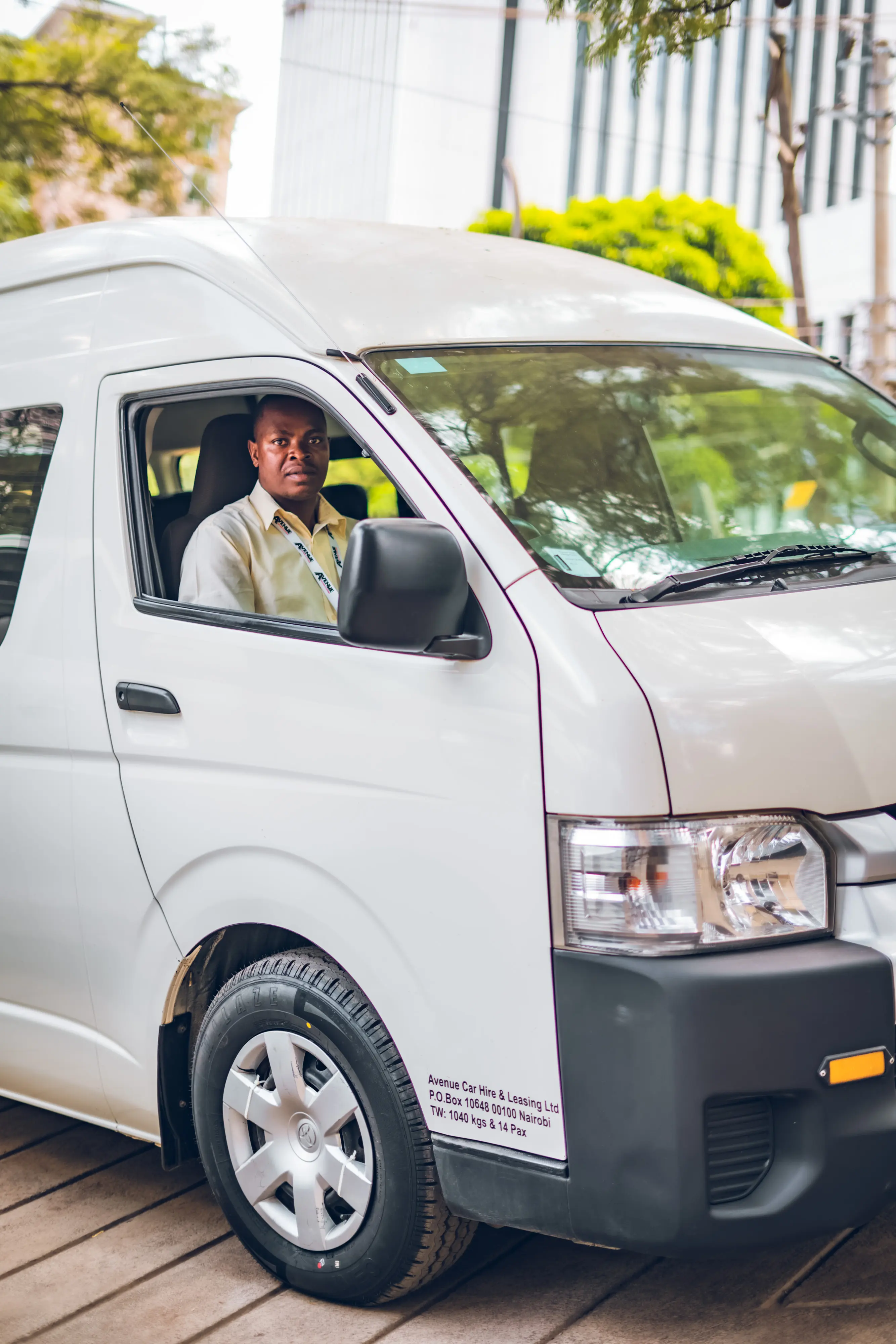
Regional Car Rental in Kenya for Business and Travel

Car Rental

Regional car rental in Kenya is about much more than simply getting from A to B. For corporates, NGOs, and expats, the right car hire or leasing setup can determine how smoothly meetings run, how safely teams reach project sites, and how predictably budgets are managed month after month.

Think of a typical work week that might start with an early morning landing in Nairobi, continue with a site visit in Nanyuki, then finish with client meetings in Mombasa. When you have one regional provider handling your mobility across these routes, everything from vehicle collection to maintenance and billing becomes significantly easier. In this article, we share what we have learned from operating across Kenya, and how leasing cars in Kenya and renting regionally can support both business and travel.

Kenya has distinct regional personalities. Nairobi is the commercial engine, full of corporate offices, diplomatic missions, and NGOs. Mombasa is the coastal gateway, with port operations, tourism, and logistics. Nanyuki and its surrounds open the door to conservation areas, ranches, and adventure tourism. Add to that a growing network of regional towns where new projects are constantly starting, and the need for consistent, reliable transport becomes obvious.

Working with a single provider that has a footprint in Nairobi, Mombasa, and Nanyuki helps tie all of this together. It reduces the time your team spends arranging different rentals in each town, cuts down on miscommunication, and can bring better value through consolidated agreements. For corporates and expats in particular, regional car rental is really about safety, continuity of service, and presenting a professional image every time you arrive at a meeting or project site.

Key Regional Car Hire and Leasing Options

When people talk about leasing cars in Kenya or hiring across regions, they are usually referring to a few main service types. Short-term car hire covers daily or weekly rentals, ideal for business trips, visiting teams, or short projects. Long-term leasing runs from several months to multiple years, giving you dedicated vehicles without needing to buy them outright. Chauffeur-driven services add a professional driver, which is especially helpful for visitors unfamiliar with Kenyan roads or local routes. Then there is full fleet management, where a provider looks after the entire transport operation for corporates or NGOs that operate across several counties.

Choosing the right type of vehicle is just as important as picking the contract model. Saloons and compact cars are well suited to Nairobi’s business districts or coastal city driving. SUVs and 4x4s come into their own on rougher roads around areas like Laikipia and remote project sites. Vans and buses work well for team movements, conference groups, or staff transport. Premium vehicles are often reserved for executive travel, high-level meetings, or hosting overseas visitors.

Contracts for leasing cars in Kenya generally fall into three broad categories. Daily rental is flexible and ideal for short visits or changing schedules. Monthly leasing is helpful when you have ongoing work but are not ready to commit to fleet ownership. Multi-year fleet agreements tend to suit organisations with long-term projects and multiple sites, where fixed monthly costs and standardised vehicles make planning easier.

It also pays to be clear on a few common terms before you sign anything. These include mileage limits, policies on cross-county travel, rules for additional drivers, and any extra conditions for visiting certain parks or protected areas. Understanding these details upfront helps avoid surprises later.

How Regional Leasing Supports Corporates and Expats

For organisations, one of the strongest benefits of regional car leasing in Kenya is consistency. If your branches in Nairobi, Mombasa, and Nanyuki are all operating with different vehicles, varying safety standards, and separate billing systems, it becomes hard to control costs or maintain a unified brand image. A regional provider can standardise vehicle quality, safety features, and comfort levels so that staff and visitors have the same experience wherever they travel.

Expats and project teams gain in slightly different ways. Long-term leasing gives them predictable monthly costs without the hassle of buying, registering, insuring, and eventually selling vehicles in an unfamiliar market. When work takes them from city to coast to highlands, they can rely on the same support structure, instead of trying to manage separate local rental agreements every time they move.

With centralised fleet management, transport is coordinated from one point, even if your operations are spread out. That usually means one account, unified billing, and coordinated service and maintenance schedules. For sectors like NGOs with remote field projects, construction firms with multiple sites, tour operators, embassies, and regional head offices, this kind of joined-up system can save time and reduce stress.

Some of the day-to-day advantages include:

  • Standard driver training and safety expectations across all regions  
  • Easier reporting on vehicle usage and transport costs  
  • Faster decision making when reallocating vehicles between projects  
  • Single escalation route when issues arise on the road  

Practical Considerations When Renting Across Regions

Before you get behind the wheel, you need the right documentation. Drivers must hold a valid licence that is recognised in Kenya, and corporates typically need basic company documents to open an account. Expats may require additional identification or proof of residence depending on the provider’s policy, so it is best to clarify that in advance.

Insurance and safety should always sit at the top of your checklist. Comprehensive insurance should cover the vehicle and third parties, and you should know exactly what is included, what the excess is, and how claims are handled. Roadside assistance is especially important once you leave the major cities. On long rural stretches, a reliable provider who can arrange help, swaps, or recovery can make a big difference to both safety and schedules.

Vehicle selection needs to follow your route. Around central Nairobi, Mombasa’s city streets, or other well-paved urban areas, fuel-efficient saloons tend to be the most practical option. For routes that include Nanyuki, Laikipia, or unpaved roads, higher ground clearance and, in some cases, 4×4 capability are better suited to the conditions and can reduce the risk of delays.

Operational logistics are another part of the puzzle. Regional car hire often involves airport pickups and drop-offs, one-way rentals between cities, and the need to swap vehicles if routes or project needs change. Good providers will have clear processes for pre-trip checks, servicing, and repairs, even when you are far from their main office, so that your schedule is not disrupted by preventable issues.

Costs, Contracts and Value for Money

When you look at the costs of leasing cars in Kenya or renting regionally, you are really looking at several components added together. There is the base daily or monthly rate, fuel, insurance, and optional driver services. On top of that you may have taxes, add-ons such as child seats or GPS, and any fees related to extra mileage or special destinations.

Comparing the real cost of owning versus leasing is particularly important for organisations that operate across multiple sites. Vehicle ownership comes with funding, depreciation, insurance management, servicing, parts, downtime when vehicles are off the road, and the administrative work of managing all of this. Leasing or managed fleet solutions roll many of these elements into a predictable fee, and the provider carries much of the operational burden.

Before you sign, review key contract points such as:

  • Contract duration and options for extension or early termination  
  • Mileage caps and what happens if you exceed them  
  • Policies for fair wear and tear versus chargeable damage  
  • Service level expectations for breakdown response and replacement vehicles  

Budgeting for regional mobility also means thinking about seasonal peaks in demand, such as holiday periods and major events, as well as fuel planning for long-distance routes. Consolidating your regional needs with one provider can sometimes create room for more favourable terms, especially if you have a mix of short-term and long-term requirements.

Choosing the Right Regional Rental Partner

Selecting a regional partner for leasing cars in Kenya is partly about scale and partly about service. You need a provider with real coverage across key locations like Nairobi, Mombasa, and Nanyuki, and a fleet that ranges from saloons to larger vehicles and 4x4s. Just as important is experience working with corporates and expats, since their needs around reporting, compliance, and comfort can be quite specific.

There are some simple service quality signals to look for:

  • Clear, prompt communication before and during your contract  
  • Transparent pricing with no confusing add-ons  
  • Modern, well-maintained vehicles that are clean and ready on time  
  • Professional drivers where chauffeur services are provided  
  • Straightforward paperwork and contract terms  

Local expertise adds real value too. A provider that understands Kenyan road conditions, seasonal rainfall patterns, and regional security considerations can advise on the most suitable vehicles and routes for your team. They can also help ensure your operations stay within local legal requirements.

Finally, regional mobility tends to work best as a long-term relationship, not a one-off transaction. As your footprint grows or projects change, a partner that already understands your organisation can adjust fleet sizes, vehicle types, and contract structures accordingly. Over time, that shared knowledge helps make your transport setup smoother, safer, and better aligned with how you actually work across Kenya.

Secure Reliable Vehicle Leasing For Your Business Growth

If you are exploring flexible and cost-effective options for leasing cars in Kenya, we can tailor a solution around your fleet size, budget and long-term plans. At Avenue Car Hire & Leasing, we handle everything from vehicle selection to maintenance so your team can stay focused on daily operations. Speak to our specialists today to discuss your requirements or request a quotation via contact us.

Secret Link

Make an Enquiry

For any car rent enquiries or requests please fill out the following form and we’ll get back to you as soon as possible. Alternatively contact us directly via telephone or mobile.