

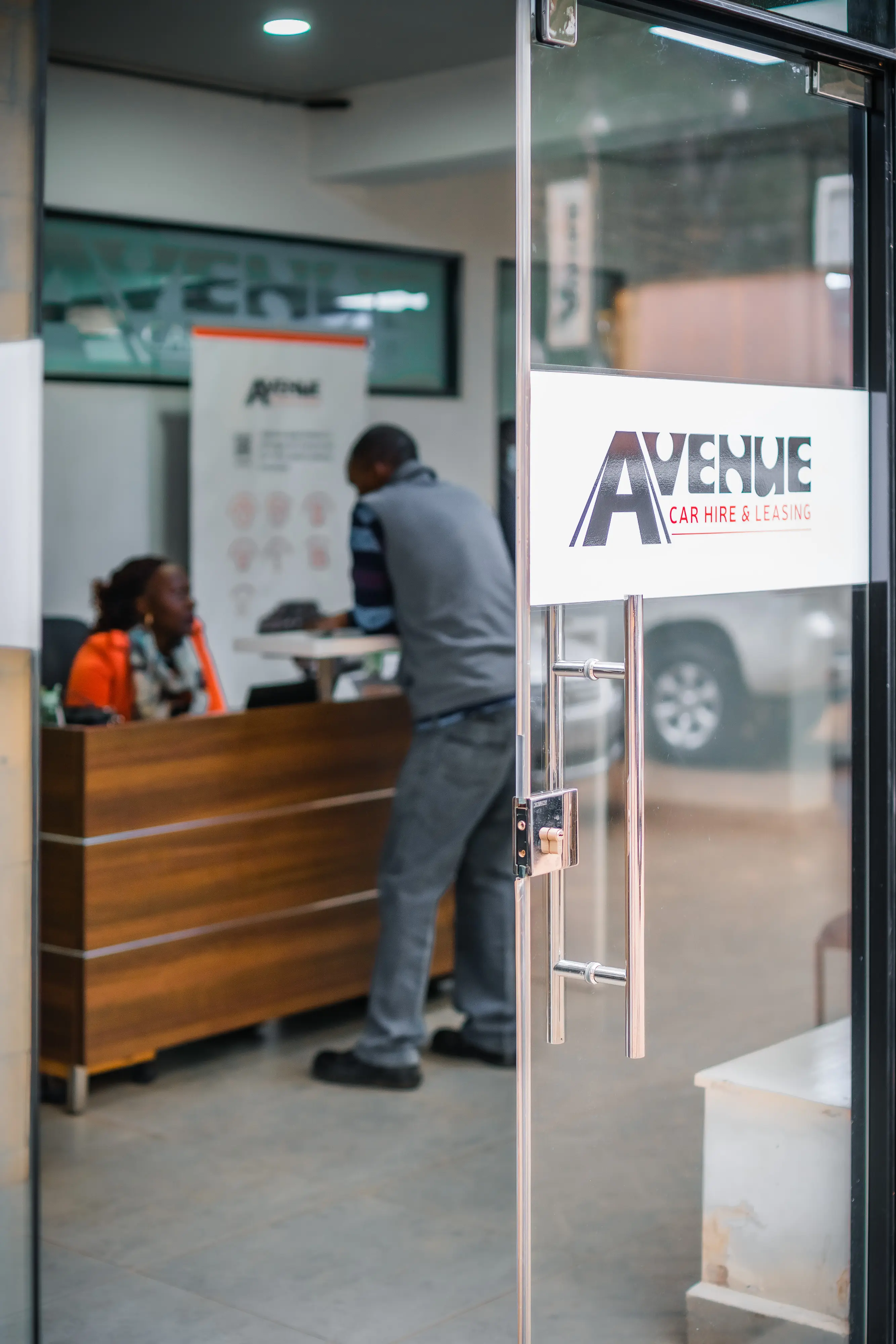
Planning Long-Term Car Hire in Nanyuki for Productive Teams

Car Hire

Why Nanyuki Works so Well for Long-Term Team Assignments

Long-term projects in Nanyuki need reliable, organised transport if they are going to run smoothly. Whether you are supporting conservation work, an infrastructure build, an NGO programme or visiting executives, getting people and equipment where they need to be affects both productivity and staff morale.

Nanyuki has grown into a strategic base for operations across Laikipia, Mount Kenya, Isiolo and further along the northern corridor. Many organisations set up there because it offers good amenities while staying close to ranches, conservancies, farms and remote project sites. In this context, long-term car hire in Nanyuki often makes far more sense than buying vehicles for a temporary or evolving assignment. Leasing keeps your capital free for core project work, gives you flexibility when staffing levels change, and shifts the weight of maintenance, insurance and compliance onto a specialist provider.

At Avenue Car Hire & Leasing, we support corporates, expat teams and local staff working in Nanyuki, as well as those shuttling between there, Nairobi and Mombasa. We focus on long-term solutions that can adapt to rotating crews, visiting consultants, field teams and seasonal peaks without constant renegotiation or last-minute scrambles for vehicles.

Defining Your Team’s Long-Term Mobility Needs

Before comparing prices, it helps to be very clear about who needs to move, when and how. Most projects in Nanyuki involve different groups with different patterns of travel, for example managers, technical specialists, field staff, visiting expats and local support teams. Some will only need town runs, others will be spending long days on rough roads.

You may choose a mix of self-drive and chauffeured vehicles. Self-drive can work well for resident staff who know the area and are comfortable on Kenyan roads. Professional drivers are often better for expats, visiting executives and anyone doing long or unfamiliar routes, or where your team needs to work on laptops or calls while on the move.

Try to map out your typical journeys and their intensity. Think about:

  • Daily commutes within Nanyuki town and its outskirts  
  • Regular trips to ranches, farms and conservancies on rougher roads  
  • Shuttles between Nanyuki, Nairobi, Isiolo and other regional hubs  
  • Occasional airport transfers for staff rotations and visiting partners  
  • Night or early-morning shifts that need reliable group transport  

Once you have a rough picture, you can start to decide how many vehicles you need, what mix of SUVs, saloons, vans or 4x4s is appropriate, and whether you need more passenger capacity or more cargo space. Fuel preferences may also come into play, depending on your organisation’s policies. Many teams also find it helpful to centralise all transport requests through one coordinator, so there is a clear overview of vehicle allocation, duty rosters and any issues that come up.

Choosing the Right Vehicles for Nanyuki Conditions

Local conditions around Nanyuki have a big impact on the type of vehicles that will actually work for your team. Town roads and the main highway might be smooth enough for standard cars, but many ranches, construction sites and conservation areas are accessed via rough, unpaved or muddy tracks, especially during rainy spells. Higher-altitude and dust can also be hard on engines and suspension if vehicles are not maintained properly.

It usually makes sense to build a small mixed fleet rather than rely on one generic vehicle category. For example, compact cars are helpful for quick errands and in-town meetings, where parking is tight and fuel efficiency matters. Comfortable saloons suit managers and visitors who mainly travel on tarmac and value a quiet, air-conditioned ride for calls and laptop work. 4x4s become essential for field teams, site inspections and gear-heavy assignments off the main roads. People-carriers or vans are useful for shift changes, group transfers and airport runs where you want to move several people at once without sending multiple cars.

When you are planning long-term car hire in Nanyuki, it is worth thinking beyond simple capacity. Safety and comfort affect productivity and staff wellbeing, especially on longer routes. You will want:

  • Vehicles with enough seats and luggage space for your typical loads  
  • Working seatbelts for every passenger  
  • Reliable air-conditioning for dusty or very sunny days  
  • Clean interiors that still feel presentable for partner or client visits  

A well-maintained, modern-looking fleet also reflects positively on your organisation. When you arrive at meetings with partners, communities or government officials, the condition of your vehicles quietly signals how organised and professional your operation is.

Budgeting and Contracts for Long-Term Car Hire in Nanyuki

Once you know roughly what you need, the next step is to structure your budget and contract so that there are no surprises a few months into the assignment. Long-term car hire in Nanyuki generally involves several cost components: the monthly hire rate per vehicle, fuel arrangements, professional driver costs if you are not using self-drive, insurance and any agreed allowances for overtime, night work or out-of-town and off-road travel.

Long-term leasing usually works out better than making frequent short bookings. A longer commitment often means more favourable monthly rates, and maintenance can be built into the agreement so you are not organising repairs or servicing yourself. Having a fixed fleet on contract also reduces the administrative load on your team, because you are not constantly sourcing vehicles for individual trips or dealing with multiple suppliers.

When you review a proposed contract, pay close attention to:

  • Service levels, including response times when you need help  
  • Guarantees for replacement vehicles during servicing or breakdowns  
  • Planned maintenance schedules and how they affect availability  
  • Mileage expectations and any charges for unusually high usage  
  • Clear procedures for accidents, breakdowns and incident reporting  
  • Transparent billing, with regular summaries for your finance or HR teams  

Getting these points agreed early keeps things smoother later, especially on longer projects where staff may change and new managers inherit the transport plan.

Safety, Compliance and Managing a Team Transport Plan

Transport for staff and expat teams is more than getting from A to B; it is a safety and duty-of-care issue. Vetted professional drivers, regular servicing and comprehensive insurance provide an important safety net, particularly on longer or more remote routes. Vehicles should have working seatbelts, good tyres, reliable brakes and functioning lights, and any safety concerns raised by staff should be logged and addressed quickly.

On the management side, it helps to treat transport as a shared resource rather than a free-for-all. Many teams benefit from:

  • A central point of contact for all vehicle bookings  
  • Shared schedules or calendars showing who is using what and when  
  • Simple check-in and check-out procedures, including basic condition checks  
  • Trip logs so you can track usage by department, site or project code  

Compliance and local knowledge also matter. Kenyan traffic regulations, speed limits and licensing requirements apply equally to visitors and locals, and there may be additional rules for park or conservancy access. Some routes can have security considerations at certain times, and weather can make particular roads difficult. Drivers who know Nanyuki and its surroundings can advise on safer routes, realistic travel times, and alternative roads when there are delays or closures.

How Avenue Car Hire Simplifies Team Mobility in Nanyuki

At Avenue Car Hire & Leasing, we focus on making long-term car hire in Nanyuki straightforward for organisations that need reliable, flexible transport. With operations in Nairobi, Mombasa and Nanyuki, we are used to supporting teams that move between different Kenyan cities and field locations, sometimes at short notice.

We work with corporates, NGOs and project teams to match vehicle choices and driver support to the realities of their assignments, whether that means a handful of 4x4s for field staff, a mix of saloons and vans for regular shuttles, or a larger fleet that can scale up or down as project phases change. Our aim is to keep your people moving safely and on time, while you stay focused on delivering your work on the ground in and around Nanyuki.

Secure Reliable Transport For Your Nanyuki Stay Today

If you are planning an extended stay or managing a project in the region, our long-term car hire in Nanyuki gives you the flexibility and cost control you need. At Avenue Car Hire & Leasing, we tailor vehicle options, mileage and duration to suit your schedule and budget. Tell us a few details about your requirements and we will recommend the most practical solution. If you are ready to arrange your vehicle or have specific questions, simply contact us and we will be happy to assist.

How Corporate Car Hire Helps You Beat Fleet Depreciation

Car Hire

Rethinking Company Cars in a Depreciating Market

Owning company vehicles feels straightforward until the numbers start to bite. A business buys a fleet, puts it to work on Nairobi roads, runs regular trips between Mombasa and Nanyuki, then discovers a few years later that those same vehicles are worth far less than expected and are soaking up cash every month. Depreciation quietly eats away at the value of each car from the day it is registered, and for finance managers, that drip of lost value quickly turns into a flood.

Depreciation is simply the steady loss of value as vehicles age, clock mileage, and endure daily wear. In practical terms, it means the car you bought at full price can only be sold on later at a fraction of that figure, no matter how carefully it is used. Rising import and purchase costs, a fluctuating shilling, and changing regulations across Kenya make it even harder to predict what those vehicles will actually be worth when you are ready to dispose of them. That is why more organisations are rethinking whether they should own fleets at all, and are turning to corporate car hire and corporate vehicle leasing in Kenya to soften the blow of depreciation and gain more financial flexibility.

How Depreciation Damages Your Bottom Line

When a company signs off on a vehicle purchase, the focus is often on the sticker price and maybe the finance cost. Yet the true cost of ownership goes far beyond that initial figure. Depreciation is usually the largest single cost over a vehicle’s life, followed by interest on loans, insurance, maintenance, tyres, and the expense of keeping a unit parked while it is in the workshop.

There are also financial risks that do not show up clearly on a spreadsheet at first. Vehicles can become outdated, whether because of changing corporate standards, shifting customer expectations, or new regulations. Forecasting resale values in Kenya’s used-car market is difficult, especially when currency movements and import rules keep changing. Disposing of ageing units can involve weeks of internal approvals, valuations, advertising, and buyer negotiations, all of which drain time and focus from your core business.

Operationally, the pain is just as real. Pool vehicles may sit off the road waiting for parts. Servicing can be inconsistent if different branches handle maintenance in different ways. Staff waste productive hours arranging repairs, sourcing garages, or dealing with breakdowns on the highway to the Coast. All of this gradually erodes cash flow, complicates budgeting and locks capital into assets that are guaranteed to lose value every month they sit on your books.

Why Corporate Car Hire Changes the Depreciation Equation

Corporate car hire and leasing flip this picture on its head. Instead of tying up money in assets that decline in value, you pay for access and usage. You choose the right vehicles for your needs, for as long as you need them, then hand back the depreciation risk to the provider.

With a structured hire or leasing agreement, the provider carries the responsibility for what those vehicles are worth at the end of the term. Your business benefits from stable monthly costs that are far easier to forecast. The guesswork around resale value, buyer demand and timing of disposal is removed from your plate, because you are not planning to sell the vehicle at all.

The service is also about far more than just the car itself. Packages typically include scheduled maintenance, roadside or breakdown assistance, and replacement vehicles if something goes wrong, along with insurance options that reduce the shock of unexpected bills. Instead of scrambling to fix a car when it is needed most, your teams keep moving while the provider handles the issue in the background.

Flexibility is another major gain. You can scale your fleet up or down with seasonal activity, projects or contracts, whether that is extra 4x4s for site work, saloons for client visits in Nairobi, or vehicles positioned in Mombasa and Nanyuki. When a contract ends, you do not have to worry about selling surplus cars in a slow market; you simply adjust the number of units on hire.

Key Advantages of Corporate Vehicle Leasing in Kenya

Corporate vehicle leasing in Kenya gives you many of the benefits of having your own fleet, without the long-term burden of ownership. Compared with short-term hire, leasing usually runs over a longer period with agreed mileage limits and clear terms on servicing, returns and any customisation needed for your operations.

Financially, leasing can offer several advantages:

  • Predictable monthly payments that are easier to budget  
  • Less capital tied up in upfront purchases  
  • The possibility, depending on structure and accounting advice, of treating some arrangements differently from owned assets  
  • Reduced exposure to residual value risk at the end of the term  

Operationally, leasing keeps your people in newer vehicles with current safety features and more efficient engines. That can translate to lower fuel use on long routes between cities and a more professional image when visiting clients or meeting partners at airports. A consistent standard of vehicle across your fleet also simplifies driver training and reduces confusion around what each unit can handle.

Strategically, an organised leasing approach allows you to standardise your fleet nationally, whether teams are in Nairobi, Mombasa, Nanyuki, or other regions. With a single provider, you can benefit from centralised reporting, uniform service standards, and clear visibility of your total vehicle usage.

Matching Hire, Leasing and Chauffeur Options to Your Needs

Different mobility needs call for different solutions. Short-term corporate car hire works well for project-based assignments, visiting expats, consultants, or temporary contracts where you do not want to commit to a vehicle for years. Longer-term leasing usually suits core operational vehicles that you know will be required consistently, such as sales cars, logistics support units or management transport.

Chauffeur services come into their own when you want senior staff, overseas visitors or clients to move around without worrying about traffic, parking, or directions. This can be especially useful for airport transfers, meetings across multiple locations in a single day, or when working with visitors who are unfamiliar with Kenyan roads.

A clear internal vehicle policy helps you match these options to your organisation. Consider:

  • Which staff levels qualify for which vehicle categories  
  • Whether fuel is provided via cards, reimbursements or included in some arrangements  
  • Any branding requirements, such as logos or colours on vehicles  
  • Driver eligibility criteria, training and licence checks  

Partnering with an established provider such as Avenue Car Hire & Leasing means you can shape packages for different types of organisations, including corporates, NGOs, expats and SMEs that operate in multiple Kenyan cities. Data plays a big role here. Usage reports, mileage tracking and service histories give you evidence to right-size your fleet, avoid underused vehicles and spot where switching from ownership to hire or leasing would save money.

Steps to Move Away From Owning a Depreciating Fleet

Transitioning from ownership to corporate car hire or leasing does not need to be disruptive. A simple plan can make the shift orderly and low risk.

Start by auditing your current fleet. List all vehicles, their age, mileage, condition, maintenance history and finance status. Estimate the true cost of ownership, including depreciation, interest, servicing, repairs, insurance, tyres and downtime. This will highlight which vehicles are most expensive to keep and which are candidates to be replaced first with hired or leased units.

Next, develop a business case for your leadership and finance teams. Focus on:

  • Expected savings over the vehicle life cycle  
  • Reduced risk around resale and market fluctuations  
  • Improved cash flow through predictable monthly costs  
  • Operational gains like uptime, newer vehicles and simplified administration  

It can help to start with a pilot. Choose one department, region or vehicle category, for example sales cars in Nairobi or pool vehicles in Mombasa, and move those onto a leasing or hire arrangement. Track costs, uptime and user feedback over an agreed period. If the results are positive, you can gradually extend the approach to more of your fleet.

Clear service level agreements are vital. Agree on uptime targets, maintenance schedules, response times for breakdowns, replacement vehicle timelines and the support channels you will rely on. This ensures everyone understands responsibilities on both sides, and that your business gets the service level it needs to operate smoothly.

Turn Depreciating Cars Into a Strategic Advantage

Company cars will always cost money, but they do not all need to sit on your balance sheet steadily losing value. By shifting from ownership to corporate car hire, corporate vehicle leasing in Kenya and, where appropriate, chauffeur services, you can offload depreciation risk, free up capital and keep your teams mobile in a more controlled way.

Treating mobility as a service rather than a fixed asset suits a Kenyan business environment that changes quickly, from currency swings to evolving regulations and client expectations. Organisations that modernise their approach to transport, and that use data and specialist partners to shape their vehicle strategy, are better placed to expand efficiently across Nairobi, Mombasa, Nanyuki and beyond, with fleets that support growth instead of holding it back.

Unlock Flexible, Cost-Effective Fleet Solutions Today

If your organisation is ready to reduce fleet costs and simplify vehicle management, we are here to help you make the transition smoothly. Explore how our corporate vehicle leasing in Kenya can be tailored to your business needs, from vehicle selection to ongoing support. At Avenue Car Hire & Leasing, we work closely with your team to design a solution that fits your budget, usage patterns and long-term plans. To discuss your requirements with our specialists, simply contact us today.

Secret Link

Make an Enquiry

For any car rent enquiries or requests please fill out the following form and we’ll get back to you as soon as possible. Alternatively contact us directly via telephone or mobile.