
Stop Wasting Budget on the Wrong Long-Term Cars
Long-term car hire in Nairobi should make work smoother, not harder. When teams pick the wrong vehicles or sign unclear contracts, small choices can slowly drain a project budget and create daily stress for staff on the road.
Around busy times like Easter, school holidays and mid-year conference season, demand for cars rises across Nairobi, Mombasa and Nanyuki. That is often when teams rush decisions. A quick yes to the first quote can lead to uncomfortable trips, delays on site and awkward conversations with finance later.
We have spent many years watching what goes right and what goes wrong with corporate, NGO, and expat fleets in Kenya. The good news is that most problems are avoidable. With some simple checks, you can choose better cars, set up smarter agreements and keep your people safer and happier on the road.
Choosing the Wrong Vehicles for Your Workload
One of the biggest mistakes is choosing cars that do not match the real work on the ground.
Teams often misjudge:
- Passenger numbers on peak days
- Luggage and equipment volume
- The true condition of access roads
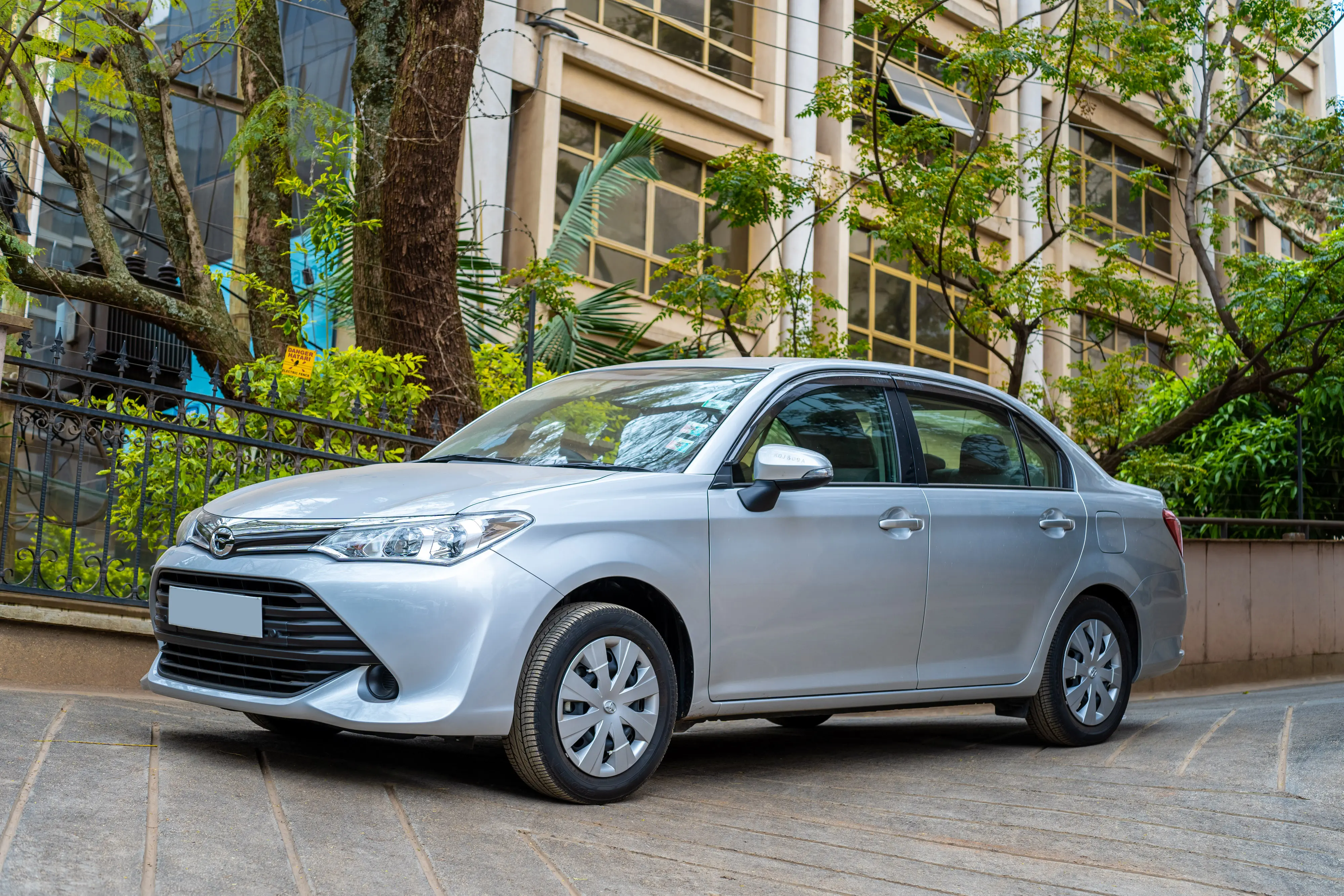
A small saloon may look fine on paper, but add field kits, laptops, samples and three staff members and the ride becomes cramped and slow. When routes include rough access roads outside town or unpaved tracks to project sites, a low saloon can struggle, especially during the long rains around March to May. In many cases, an SUV or 4×4 is the better choice for comfort and safety.
Fuel use is another blind spot. It is easy to focus on the daily hire rate and forget how often the car will run between Nairobi and places like Nanyuki or Mombasa. A bigger vehicle chosen just in case can drink more fuel on every trip. Over time, this can quietly cost far more than a well-matched, efficient model.
It also helps to think ahead. Many projects start small, then grow in phases. Staff numbers may double during audits, donor visits or peak fieldwork. Without a plan, teams end up scrambling for extra cars at the last minute, when availability is tight.
When planning vehicles, try to:
- Map your likely routes and road types
- List peak passenger and luggage loads
- Note growth phases when more cars will be needed
- Ask for options to upgrade, downsize or add units mid-contract
A bit of upfront thinking here can save both money and stress later.
Misunderstanding Long-Term Car Hire Contracts
Another common trap is skimming through the terms and conditions. Long-term car hire in Nairobi often comes with mileage limits, usage zones and different types of cover that can be easy to miss.
Key areas that teams forget to clarify include:
- Monthly or total mileage limits and excess kilometre charges
- Where the car can go, for example outside Nairobi County or on certain roads
- What is included in the rate, for example servicing, tyres, roadside help and replacement vehicles
Insurance wording can also cause confusion. Many people see the word comprehensive and assume everything is covered in every situation. In reality, there can be exclusions, required safety steps and rules about who is allowed to drive. It is important to know the process and responsibilities if there is an accident, theft, vandalism or damage on rough roads or construction sites.
Project timelines add another layer. Some teams lock into rigid hire periods that do not match funding cycles. Then they face gaps where cars are off-hired too early or need short, expensive extensions to cover an unexpected visit or delay.
Before signing, it helps to align the contract with:
- Project start and end dates
- Likely extension options
- Off-hire steps and notice periods
- Internal procurement and approval rules
Taking time to ask questions at the start is far easier than arguing about clauses in the middle of a busy assignment.
Underestimating Driver and Safety Requirements
Many organisations treat drivers as an afterthought, yet they are the ones carrying staff, visitors and equipment through Nairobi traffic and out to field sites.
Issues often arise when:
- Any available driver is put behind the wheel without proper vetting
- Nobody is sure if the hire includes a professional chauffeur
- Safety and security are not discussed at all
A well-trained driver who knows local traffic patterns, common problem spots and basic security practice can prevent a lot of risk. This is especially important for late-night airport runs, movements involving cash or sensitive equipment, and trips to unfamiliar areas.
Simple safety basics also get missed. Every seat should have a working seatbelt. Child seats should be planned for if staff sometimes travel with family. Cars should have basic items like a first-aid kit and clear emergency contacts for breakdowns or incidents.
Clear rules help too. Without them, people may start using vehicles for personal errands, overloading them with passengers or parking in unsafe areas. That can raise accident risk and damage the reputation of the organisation in the communities where it works.
To strengthen driver and safety practice, teams can:
- Decide early if they want professional chauffeurs included
- Agree clear rules for vehicle use and after-hours driving
- Brief staff on simple safety habits and emergency steps
Overlooking Operational Support, Maintenance and Data
Good vehicles are only part of the story. The way they are serviced and supported day to day can make or break a project schedule.
Many teams assume all maintenance is the same. They do not ask how often cars are serviced, where that work is done or how quickly parts can be sourced when projects reach beyond Nairobi into areas like Mombasa or Nanyuki. Poor planning here can mean breakdowns right in the middle of key fieldwork.
It is risky to rely on the idea that a car is new so nothing will go wrong. Roads can be rough, loads can be heavy and traffic can be unpredictable. Without a clear plan, even a simple flat tyre can disrupt a whole day of visits.
Useful points to clarify upfront include:
- Service schedules and how they are planned around your field trips
- Typical response times for roadside support and after-hours help
- Availability and speed of replacement vehicles if one is off the road
Coordination matters too. When nobody acts as an internal transport contact, servicing often gets booked at random times that clash with audits, donor missions or critical site checks. One person who can link project plans with the leasing partner can smooth out vehicle rotation and reduce downtime.
As fleets grow, many teams also miss the chance to learn from their own usage data. Simple tracking of mileage, trip patterns and occupancy can highlight where cars sit idle in one office while another team is always short. It can also show seasonal spikes in demand around conferences, holidays or major events, which is very common with long-term car hire in Nairobi.
By reviewing this information, organisations can:
- Right-size vehicles and avoid paying for unused capacity
- Share or pool cars across departments
- Plan early for high-demand periods when availability tightens
Turn Long-Term Car Hire Into a Strategic Advantage
Long-term car hire does not have to be a headache or an afterthought. When teams avoid the usual mistakes with vehicle choice, contract terms, driver planning, support and data, transport quietly supports the real work instead of getting in its way.
At Avenue Car Hire & Leasing, we have spent many years helping corporates, expats and NGOs move people and materials across Nairobi, Mombasa and Nanyuki. We know the common pitfalls and the small choices that make everyday travel safer, smoother and more efficient for staff in the field.
When you treat long-term car hire in Nairobi as a strategic tool, it can strengthen staff welfare, keep donors confident and help projects stay on schedule. With the right partner and a bit of smart planning, your vehicles can match your routes, your seasons and your project phases, instead of forcing your work to fit around the car keys.
Secure Reliable Transport For Your Long-Term Needs
If you are planning an extended stay or managing an ongoing project, Avenue Car Hire & Leasing can provide flexible, cost-effective solutions tailored to your schedule. Explore our long-term car hire in Nairobi to secure dependable vehicles with professional support throughout your contract. Our team will help you choose the right option, from fleet size to vehicle type, so you stay on the road without disruption. To discuss a bespoke arrangement, simply contact us and we will be in touch promptly.