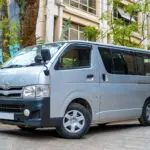
Why Expat Project Teams Choose Wheels First
Expat-led project teams arriving in Kenya rarely have the luxury of a slow start. There are tight timelines, multiple stakeholders to meet and sites to visit in Nairobi, Mombasa, Nanyuki and often much further afield. If people cannot move freely, the project stalls, no matter how strong the strategy looks on paper.
That is why we see more project leaders treating mobility planning as seriously as office space, accommodation and connectivity. Getting the right vehicles in place early means your experts, managers and support staff are not waiting around for transport or stuck juggling unreliable options. Self-drive car hire gives you that early mobility without committing to owning a fleet before the project has properly taken shape.
Instead of investing large capital in vehicles that might not suit later phases, self-drive car hire gives corporates and expatriates in Kenya flexible, cost-aware access to the right cars from day one. At Avenue Car Hire & Leasing, we focus on supporting those teams with short- and long-term solutions, including both self-drive and chauffeur-driven options, so that wheels are never the delay.
Mobility Challenges When Launching Projects in Kenya
When a project team first lands, even routine journeys can feel complicated. Road layouts are unfamiliar, peak traffic patterns catch people off guard and routes between neighbourhoods can be longer than they appear on a map. Public transport is not always practical for corporate schedules, and outside the biggest cities, taxis and app-based services can be patchy or simply not available when you need them.
Inside the organisation, there are constraints to consider. Travel policies often require transparent, predictable costs, and HR and safety teams have duty-of-care obligations to anyone posted abroad. Multiple staff may be arriving over several weeks, all needing a clear plan for how they will get from the airport to temporary housing, to client sites, and eventually to regional locations.
Kenya’s regions each have their own driving realities. Nairobi city traffic is very different from the coastal routes around Mombasa or the roads heading towards Nanyuki and northern areas. Seasonal rains can affect surfaces and travel times, and some locations are better served by higher-clearance vehicles or 4x4s, especially if you are visiting project sites outside town centres.
Taken together, these factors make an organised, professional car solution essential from the first day of the project. Relying on ad-hoc taxis or staff sorting themselves out leads to delays, confusion and avoidable risk. A planned self-drive car hire approach, supported by a specialist provider, gives structure where you need it most.
How Self-Drive Car Hire Powers Fast, Flexible Startups
For corporate and expat users, self-drive car hire simply means well-maintained, fully insured vehicles that are ready for business use, without the responsibility of owning them. You have access to cars that are already set up for corporate work, such as reliable air conditioning, comfortable seating for colleagues or clients and the paperwork arranged from the outset.
Many teams use short and medium-term self-drive options to cover the intense kick-off phase of a project. In those early weeks, there are site assessments, supplier meetings and stakeholder engagements across different parts of Nairobi, trips down to Mombasa, or visits to Nanyuki and other regional towns. Self-drive car hire bridges the gap before long-term leases or purchases are finalised, so progress is not tied to long procurement cycles.
The operational benefits are straightforward and powerful. Staff can drive themselves on their own schedules instead of waiting for drivers to become free. Departments can share pool cars for fieldwork, finance visits or HR support, and the number of vehicles can flex as headcount changes. As project scopes get clearer, you can scale the fleet up for rollout or down when certain tasks are complete.
A provider like Avenue Car Hire & Leasing can add practical touches that make a big difference. Typical value-adds include:
- Airport pick-up that transitions into self-drive handover
- Options for multiple named drivers on the same vehicle
- Different mileage packages to suit city-only or regional use
- Quick vehicle swaps if project requirements change
All of this keeps your team focused on delivery rather than transport logistics.
Choosing the Right Vehicles for Project Fieldwork
Not every project needs a 4×4, and not every assignment suits a small saloon. The type of work you are delivering will shape the ideal self-drive car hire mix. City-based consulting or financial services projects might be best served by compact saloons that are easy to park, comfortable in traffic and economical on fuel. Infrastructure, energy or NGO fieldwork across mixed terrain will often require SUVs or 4x4s, and some teams benefit from vans or pickups for light logistics and equipment.
Matching vehicles to Kenyan driving realities is central. Higher ground clearance can be important when you are heading out of town or dealing with roads that are not always smooth. Fuel efficiency matters when staff are driving regularly between Nairobi, Mombasa and Nanyuki, as costs can add up quickly. For longer journeys, comfort, air conditioning and reliable suspension directly affect how fresh your people feel when they arrive on site.
Risk and safety are non-negotiable for corporate and expat teams. Working with maintained vehicles, clear servicing schedules and modern safety features helps your organisation meet duty-of-care standards. Around-the-clock support and defined breakdown or incident procedures are also vital, especially when staff are new to local conditions.
An experienced provider can advise on tailored self-drive car hire packages that line up with your route plans, expected occupancy per vehicle and company travel policies. That guidance can save you from over-specifying or under-specifying the fleet.
Balancing Self-Drive and Chauffeur-Driven Options
Self-drive is not an all-or-nothing decision. Many expat project teams find they get the best results from a blend of self-drive and chauffeur-driven services. Staff often prefer self-drive for day-to-day commuting, routine site visits and flexible workdays where plans may change at short notice.
There are times when a chauffeur-driven vehicle makes more sense. VIP visitors, late-night arrivals after long flights, or meetings in unfamiliar or high-traffic areas can be smoother with a professional driver who knows the routes and timing. That allows managers or consultants to work in the back seat, handle calls or prepare for presentations instead of focussing on traffic.
It is also about comfort and individual preference. Some team members quickly feel confident driving in Nairobi, Mombasa or Nanyuki, while others stay more productive when someone else is at the wheel. A blended approach, with both options coming from the same provider, keeps things simple for project coordinators, finance and headquarters reporting.
Practical Steps for Setting up Project-Ready Self-Drive
Putting a solid plan in place before the first suitcase is packed helps everything run more smoothly. A straightforward checklist might include:
- Confirm key project locations and expected timelines
- Estimate staff numbers and roles at each phase
- Map out typical routes and journey frequencies
- Agree a clear internal vehicle and fuel policy before arrival
From there, onboarding with a company like Avenue Car Hire & Leasing can be structured and efficient. Vehicles can be pre-booked according to your initial forecast, with airport transfers arranged for the first arrivals. Corporate accounts and central billing reduce the admin load on individuals, and authorised drivers can be added to specific vehicles in line with company approval processes.
Documentation and compliance need attention too. Drivers will need valid licences that are acceptable in Kenya, and the correct insurance cover must be in place. It is also wise to schedule driver briefings and local safety orientations, covering topics such as speed limits, common traffic rules, parking norms and what to do in the event of an incident or breakdown.
To get the best value from self-drive car hire, we often suggest simple practical measures:
- Use shared calendars or booking tools for pool vehicles
- Track fuel spend in a consistent way across the team
- Review vehicle usage every few weeks and adjust the fleet size
- Match specific cars to specific routes to keep costs predictable
By treating mobility as a planned workstream, rather than a last-minute task, expat project teams can turn transport from a headache into a quiet advantage.
Turn Early Mobility Into a Competitive Advantage
When teams land in Kenya with reliable self-drive car hire already arranged, the difference is visible in the first week. Site visits happen on time, early decisions are based on real-world observations instead of assumptions, and consultants and managers keep control of their diaries and their budgets. Mobility stops being a source of delay and becomes a tool that supports delivery.
For project leaders and corporate travel managers, the key is to treat mobility planning as part of project strategy from the outset. By choosing adaptable self-drive options, supported by chauffeur-driven services where they add value, expat project teams working in Nairobi, Mombasa, Nanyuki and across Kenya can move quickly, safely and with confidence as their projects grow.
Secure Flexible Transport For Your Business Today
If you need reliable vehicles without the long-term commitment, our self-drive car hire solutions give your team the flexibility to work on their schedule. At Avenue Car Hire & Leasing, we tailor terms, mileage and vehicle options so you only pay for what your business genuinely uses. Speak to our team to discuss your requirements and we will recommend the most efficient set-up for your fleet. To arrange a quote or ask a question, simply contact us.